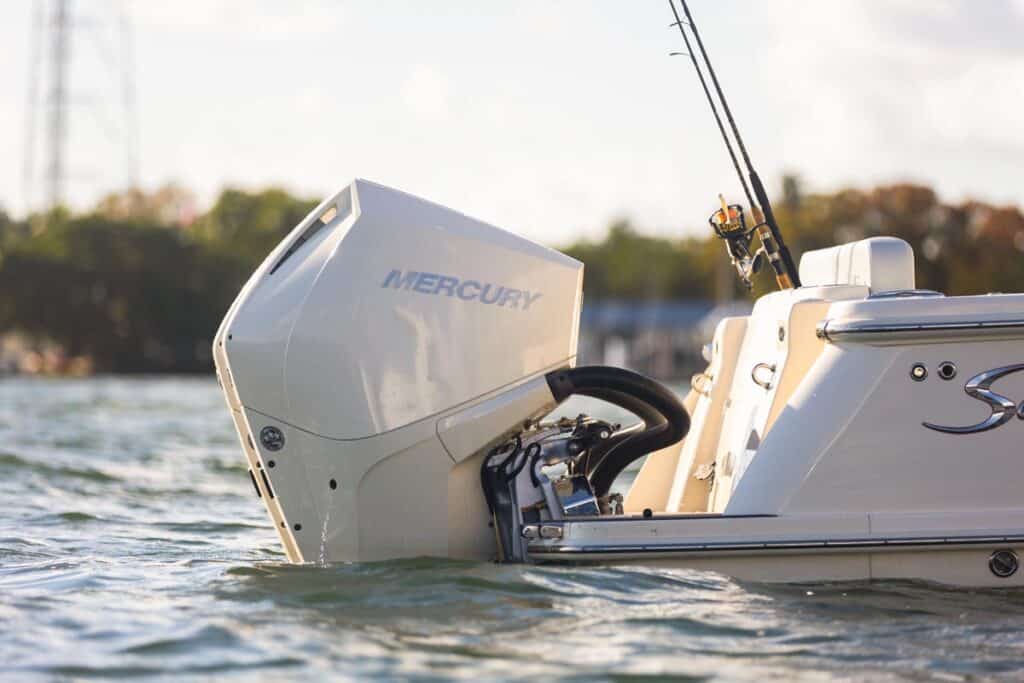
A well-maintained boat engine is critical for a safe and enjoyable time on the water. Whether you’re cruising with an outboard motor or navigating with a diesel-powered boat, taking care of your engine keeps it running efficiently and prevents costly repairs in the long term. This guide walks you through key maintenance practices, common issues, and actionable tips to ensure your boat’s engine operates smoothly.
Maintenance Steps for Smooth Engine Performance
- Regularly Check and Change Engine Oil and Filters
Changing the oil and oil filters is crucial to avoid buildup of sludge, dirt, and debris that can affect engine performance. Follow these steps:
- Check oil levels before every trip using the dipstick.
- Replace oil based on the manufacturer’s recommendations (typically every 100 hours of operation or annually).
- Always use high-quality marine-grade oil.
- Inspect and Maintain the Cooling System
The cooling system prevents overheating, a common cause of engine failure. Here’s what to do:
- Check coolant levels regularly and top off as needed. Use the coolant recommended by your engine’s manufacturer.
- Flush the cooling system periodically to remove salt, dirt, and mineral deposits.
- Inspect the water pump impeller annually and replace it if worn or damaged.
- Check and Clean Fuel Filters
Clean fuel equals a healthy engine. Here’s how to keep the fuel system in good shape:
- Replace fuel filters regularly to prevent clogging.
- Inspect for any signs of contamination, such as water or debris, in the fuel tank.
- Consider using a fuel stabilizer if the boat will be inactive for extended periods.
- Maintain the Electrical System and Batteries
A functional electrical system is essential for starting your boat and running accessories. Ensure the following:
- Inspect battery terminals for corrosion and clean them as needed.
- Check battery voltage and ensure it’s charged properly before heading out.
- Test electrical connections to ensure they’re secure and free of damage.
- Inspect and Replace Belts and Hoses
Worn-out belts and hoses can fail unexpectedly and leave you stranded. Here’s how to prevent this:
- Check belts for cracks, fraying, or excessive wear and replace if necessary.
- Inspect all hoses for leaks, bulges, or signs of weakness.
- Tighten loose belts to ensure proper tension and functioning.
- Protect the Engine from Corrosion
Boaters in saltwater environments must take extra measures to fight engine corrosion. Here’s what to do:
- Rinse the engine with fresh water after every use to remove salt and debris.
- Apply a corrosion inhibitor to metal parts, especially in exposed areas.
- Use sacrificial anodes and replace them when they show significant wear.
- Winterize the Engine for Cold Climates
If you’re storing your boat during the off-season, proper winterization is essential:
- Flush and drain the cooling system to prevent freezing.
- Add antifreeze to the engine block and cooling lines.
- Fog the engine with oil to protect internal components from rust.
Common Boat Engine Issues and How to Address Them
Overheating
- Cause: Clogged water intake, faulty impeller, or insufficient coolant levels.
- Solution: Check the cooling system, clean intakes, replace the impeller, and refill coolant as needed.
Fuel Contamination
- Cause: Water, debris, or algae in the fuel tank.
- Solution: Replace the fuel filters, clean the fuel tank, and use a fuel stabilizer to prevent future contamination.
Corrosion
- Cause: Saltwater exposure and lack of corrosion protection.
- Solution: Rinse with fresh water after every outing and apply a marine-grade corrosion inhibitor.
Battery Problems
- Cause: Poor charging habits, corroded terminals, or old batteries.
- Solution: Test and maintain battery charge regularly and clean corroded terminals with a mixture of baking soda and water.
Worn Impeller
- Cause: Extended use without replacement leads to reduced water flow.
- Solution: Replace impellers annually or as soon as you notice performance issues.
Propeller Damage
- Cause: Striking underwater objects or excessive wear.
- Solution: Inspect the propeller for dents or cracks, and replace or repair it if needed.
Oil Leaks
- Cause: Faulty seals or gaskets in the engine.
- Solution: Identify the leak’s source and replace the damaged seals promptly.
Pro Tips for Smooth Engine Performance
- Keep a log of maintenance tasks and engine hours to stay on schedule.
- Always carry a toolkit and spare parts like belts, filters, and propellers on the boat.
- Follow your engine manufacturer’s maintenance manual for specific guidelines.
- Before heading out, perform a quick pre-trip engine check (oil, fuel, and cooling systems).
Keep Your Boat Engine Running Like a Dream
Maintaining your boat engine might seem like a daunting task, but with the right routine, your investment in your boat’s engine will pay off for years to come. Whether you’re cruising with an outboard motor or relying on a powerful diesel engine, the key is consistent care and timely attention to potential issues.
At Scout Boats, we’re here to help you get the most from every trip on the water. Need more boating tips or looking to upgrade your vessel? We’d love to hear from you. Explore our lineup of luxury boats and build your perfect companion for the seas.