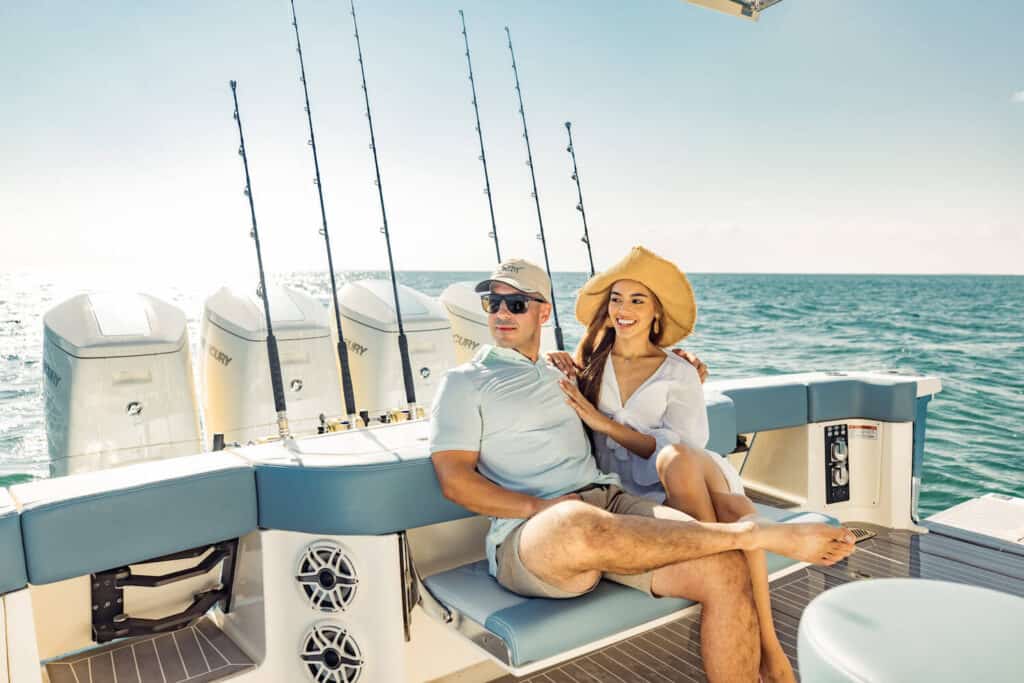
5 Things to Know as a New Boat Owner

530 Lifestyle

530 Lifestyle

Congratulations on your new purchase! Owning a luxury boat is an exciting venture that offers endless opportunities for adventure and relaxation. Whether you’re a recreational fisher or a luxury boating enthusiast, here are five essential things you need to know as a new boat owner. 

Understand Your Boat’s Features

Luxury boats come equipped with a variety of features that enhance comfort, safety, and functionality. Take the time to familiarize yourself with all the components and systems of your new boat. This includes navigation systems, fishing equipment, seating arrangements, and safety features. Knowing your boat inside and out ensures you can make the most of every outing. 

Safety First

Safety should always be your top priority. Ensure your boat is equipped with all necessary safety gear, including life jackets, a first-aid kit, fire extinguishers, and signaling devices. Additionally, take a boating safety course if you haven’t already. Understanding maritime rules and regulations, as well as basic first-aid procedures, can be lifesaving. 

Regular Maintenance Is Key

Just like a luxury car, your boat requires regular maintenance to keep it in top condition. Regularly check and service the engine, electrical systems, and hull. Clean and inspect your boat after each trip to prevent saltwater corrosion and other damage. Keeping a maintenance log can help you stay on top of any needed repairs or services, ensuring your boat remains safe and reliable. 

Plan Your Trips

Proper planning can make all the difference in your boating experience. Before heading out, check weather forecasts, tide charts, and navigational maps. Share your float plan with someone ashore, detailing where you’re going and when you expect to return. This ensures someone knows your whereabouts in case of an emergency. 

Join a Boating Community

Engaging with a community of fellow boaters can be incredibly rewarding. Join local boating clubs or online forums where you can share experiences, ask for advice, and learn from seasoned boaters. Being part of a community offers camaraderie and support, and you might even discover hidden gems for fishing or cruising. 

Conclusion

Owning a luxury boat opens up a world of possibilities for recreation and relaxation. By understanding your boat’s features, prioritizing safety, maintaining your vessel, planning your trips, and joining a boating community, you’ll ensure a smooth and enjoyable boating experience. Ready to set sail? Make the most of your new adventure and enjoy the open waters! 

Build Your Scout Boat Today

At Scout Boats, our mission is to craft exceptional luxury models ranging from 17′ to 53′. Each of our vessels is meticulously designed to incorporate enduring innovations, cutting-edge technology, and trendsetting features that define the pinnacle of boating excellence. Build your Scout Boat today.  

Disclaimer: This article is for informational purposes only. Always follow local laws in addition to safe and responsible boating practices. 

Boat Dock Maintenance Tips

Owning a boat dock is a dream come true for many boat owners, fishing enthusiasts, and recreational boaters. It offers convenience, security, and a dedicated space for your beloved watercraft. However, maintaining your dock is crucial to ensure its longevity and safety. Here are some essential boat dock maintenance tips to keep your dock in pristine condition year-round. 

Regular Inspections

Routine inspections are the foundation of effective dock maintenance. Make it a habit to inspect your dock every few months for any signs of wear and tear. Look for loose boards, rusted metal components, and any structural damage. Catching issues early can prevent them from becoming costly repairs later on. 

Cleanliness is Key

A clean dock not only looks appealing but also prevents damage. Algae, mildew, and debris can accumulate over time, making surfaces slippery and hazardous. Use a power washer or a scrub brush with mild detergent to clean the dock’s surface regularly. Pay attention to the spaces between the boards, as this is where dirt and grime tend to collect. 

Protect Against the Elements

Your dock is constantly exposed to the elements, which can cause wear and tear. Applying a high-quality sealant or wood preservative can help protect it from moisture, UV rays, and other environmental factors. For metal components, consider using rust-resistant coatings to prevent corrosion. 

Address Loose or Damaged Hardware

Loose bolts, nuts, and screws can compromise the structural integrity of your dock. During your regular inspections, tighten any loose hardware and replace any that are damaged or missing. This simple step can go a long way in ensuring the safety and stability of your dock. 

Check for Pest Infestations

Wooden docks are particularly susceptible to pest infestations like termites and carpenter ants. Look for signs of pest activity, such as small holes in the wood or sawdust piles. If you suspect an infestation, consult a pest control professional to address the issue promptly. 

Winterization

If you live in an area with harsh winters, it’s essential to winterize your dock. Remove any detachable components, such as ladders and furniture, and store them indoors. Inspect the dock for any damage that needs repair before the winter season sets in. In regions where ice formation is common, consider installing de-icers to prevent ice damage. 

Invest in Quality Materials

Finally, investing in high-quality materials for your dock can save you time and money in the long run. Whether it’s choosing marine-grade wood, rust-resistant metal, or durable composite materials, quality construction will ensure your dock stands the test of time. 

By following these boat dock maintenance tips, you can enjoy a safe and well-maintained dock for years to come. Regular upkeep not only enhances the appearance of your dock but also protects your investment. Happy boating! 

Build Your Scout Boat Today

At Scout Boats, our mission is to craft exceptional luxury models ranging from 17′ to 53′. Each of our vessels is meticulously designed to incorporate enduring innovations, cutting-edge technology, and trendsetting features that define the pinnacle of boating excellence. Build your Scout Boat today.  

Disclaimer: This article is for informational purposes only. Always follow local laws in addition to safe and responsible boating practices. 

Best Boating Spots in Florida

Boating enthusiasts and vacationers alike flock to Florida for its spectacular waterways, diverse marine life, and beautiful landscapes. Whether you’re fishing, hoping to spot some wildlife, or simply looking to cruise in pristine waters, the Sunshine State has something for everyone. Here are some of the best boating spots in Florida that cater to both fishing and leisure interests. 

Florida Keys

Fishing Paradise 

The Florida Keys are a fishing enthusiast’s dream come true. With crystal-clear waters, incredible coral reefs, and abundant marine life, it’s no wonder this area is renowned for its fishing opportunities. Anglers can expect to catch everything from tarpon and bonefish to sailfish and mahi-mahi. 

Leisurely Cruising 

For those seeking a more relaxed experience, the Keys offer numerous picturesque spots perfect for leisurely cruising. The scenic route along the Overseas Highway is dotted with charming islands, making it an ideal destination for a boat day trip. 

Biscayne Bay

Pristine Waters 

Located just off the coast of Miami, Biscayne Bay boasts some of the clearest waters in Florida. This makes it an excellent spot for both fishing and snorkeling. The bay is teeming with marine life, including dolphins and sea turtles, offering an unforgettable experience for nature lovers. 

Marina Facilities and Amenities 

Biscayne Bay is well-equipped with marina facilities, making it easy to launch and dock your boat. Plus, its proximity to Miami means you can enjoy nearby restaurants and attractions after a day on the water. 

Tampa Bay

Diverse Boating Trails 

Tampa Bay offers a wide range of boating routes suitable for both novices and seasoned boaters. The calm, protected waters provide an excellent environment for fishing, and you’ll find an abundance of redfish, snook, and trout. 

Wildlife Encounters 

The bay is also a favorite for those interested in wildlife. Manatees, dolphins, and various bird species are commonly seen here, providing a delightful backdrop for your boating adventure. 

St. Johns River

Freshwater Fishing 

Stretching over 300 miles, the St. Johns River is one of the few rivers in the US that flows north. This freshwater river is famous for its bass fishing, making it a must-visit for anglers looking to reel in a big catch. 

Relaxing Cruises 

For a more laid-back experience, the St. Johns River offers serene cruising opportunities. The river winds through lush landscapes and quaint towns, offering plenty of spots to stop and enjoy the local scenery. 

Charlotte Harbor

Extensive Marina Facilities 

Charlotte Harbor, located on Florida’s Gulf Coast, is a haven for boating enthusiasts. The harbor is equipped with extensive marina facilities, making it easy to launch and dock your boat. 

Nearby Attractions 

After a day on the water, you can explore nearby attractions such as beautiful beaches and waterfront restaurants. The harbor is also known for its excellent fishing conditions, where you can catch snook, redfish, and tarpon. 

Conclusion 

Florida’s boating spots offer a blend of adventure, relaxation, and natural beauty. Whether you’re an avid angler or someone who enjoys a peaceful cruise, there’s a perfect spot waiting for you. Ready to explore these fantastic locations? Get in touch with us to find the ideal boat for your next adventure, and start making unforgettable memories on Florida’s stunning waterways.  

Build Your Scout Boat Today 

At Scout Boats, our mission is to craft exceptional luxury models ranging from 17′ to 53′. Each of our vessels is meticulously designed to incorporate enduring innovations, cutting-edge technology, and trendsetting features that define the pinnacle of boating excellence. Build your Scout Boat today. 

Common Boating Mistakes and How to Avoid Them

Boating is a fantastic way to enjoy the outdoors, but it requires knowledge and vigilance to ensure a safe and enjoyable experience. Whether you’re a new boat owner, an avid boating enthusiast, or a recreational fisherman, avoiding common mistakes can make your time on the water much more pleasant. Here are some of the most frequent boating missteps and tips on how to prevent them. 

Skipping Safety Checks 

Safety should always be your top priority. Creating a pre-departure checklist can help ensure you’re not missing any crucial steps. This list should include: 

  • Life jackets for all passengers 
  • Fire extinguishers 
  • Navigation lights 
  • First-aid kits 

Double-checking these essentials before setting out can keep minor issues from turning into major problems. 

Ignoring the Weather Forecast 

Weather conditions can change rapidly on the water. Always check the forecast before you leave, and keep an eye on the skies while you’re out. If the weather takes a turn for the worse, it’s best to head back to shore immediately. 

Running the Engine While Dry 

One of the quickest ways to damage your boat’s engine is by running it while dry. Always ensure the engine is fully immersed in water before starting it. This simple step can prevent costly repairs and extend the life of your engine. 

Running Out of Gas 

It’s easy to lose track of fuel levels when you’re focused on the fun. Make it a habit to check your fuel gauge regularly and plan your trips to include enough fuel for the entire journey, plus a little extra for emergencies. 

Improperly Mooring the Boat 

Improper mooring can lead to damaged boats and docks. Learn proper mooring techniques and use appropriate lines and fenders. This helps protect your boat and those around it. 

Forgetting Regular Maintenance 

Routine maintenance is crucial for keeping your boat in top condition. Schedule regular inspections and maintenance to catch potential issues before they become expensive problems. An ounce of prevention is worth a pound of cure. 

Hitting the Dock 

Docking can be nerve-wracking for new boat owners. Practice maneuvering your boat in open water to get a feel for its handling. When approaching a dock, do so at a safe speed and angle to avoid collisions. 

Overloading the Boat 

Every boat has a weight capacity for a reason. Exceeding this limit can make your boat unstable and increase the risk of accidents. Always know your boat’s weight capacity and distribute weight evenly to maintain balance. 


By being aware of these common boating mistakes and taking steps to avoid them, you can enjoy a safer and more enjoyable time on the water. Remember, preparation and vigilance are key. 

Build Your Scout Boat Today 

At Scout Boats, our mission is to craft exceptional luxury models ranging from 17′ to 53′. Each of our vessels is meticulously designed to incorporate enduring innovations, cutting-edge technology, and trendsetting features that define the pinnacle of boating excellence. Build your Scout Boat today. 

Disclaimer: This article is for informational purposes only. Always follow local laws in addition to safe and responsible boating practices. 

Do You Need a Fishing License (and How to Get One)

Fishing is a rewarding and relaxing hobby that can be enjoyed by people of all ages. However, before you cast your line into the water, it’s important to understand the legal requirements surrounding fishing. One crucial requirement is obtaining a fishing license. In this guide, we’ll explain what a fishing license is, why it’s necessary, and how you can get one. 

What is a Fishing License and Why It’s Necessary 

A fishing license is a regulatory or legal permit issued by state or regional authorities that allows individuals to fish in public waters. The primary purpose of fishing licenses is to help manage and conserve fish populations, ensuring sustainable fishing practices for future generations. The fees collected from fishing licenses fund conservation programs, habitat restoration, and fish stocking, all of which contribute to maintaining healthy aquatic ecosystems. 

Different Types of Fishing Licenses 

Fishing licenses vary based on state regulations, and each state may offer different types of licenses to cater to various needs. Common types of fishing licenses include: 

  • Resident vs. Non-Resident Licenses: Resident licenses are for those who live in the state, while non-resident licenses are for visitors. 
  • Annual, Short-Term, and Lifetime Licenses: Depending on how often you fish, you can choose between annual, short-term (daily or weekly), or lifetime licenses. 
  • Specialty Licenses: Some states offer specialty licenses for specific types of fishing, such as saltwater, freshwater, or even specific species like trout or salmon. 

Who Needs a Fishing License? 

In most states, anyone who is 16 years of age or older needs a fishing license. There are typically exemptions for certain groups, such as: 

  • Children under a specific age (usually 16) 
  • Senior citizens 
  • Veterans and active-duty military personnel 
  • Individuals with disabilities 

However, exemptions can vary by state, so it’s essential to check your local regulations. 

How to Obtain a Fishing License 

Obtaining a fishing license is a straightforward process that can be completed either online or in person. Here’s an overview of the steps: 

  1. Determine the Type of License You Need: Based on your residency status, the duration you plan to fish, and any specialty fishing you intend to do, choose the appropriate license. 
  2. Visit the Official State Website or Authorized Vendors: Most states have an official website where you can purchase a fishing license online. Alternatively, you can visit authorized vendors such as sporting goods stores, bait shops, or local government offices. 
  3. Provide Necessary Information: You’ll need to provide personal information such as your name, address, and sometimes proof of residency. 
  4. Pay the Applicable Fees: Fees vary based on the type of license and your residency status. Be prepared to pay via credit card if you’re purchasing online or cash/card if in person. 
  5. Receive Your License: After completing the process, you’ll receive your fishing license. If purchased online, you can usually print it out immediately. 

Important Details to Consider 

When getting a fishing license, keep the following in mind: 

  • License Duration: Ensure you know the duration of your license to avoid fishing with an expired license. 
  • Fishing Regulations: Familiarize yourself with local fishing regulations, including catch limits, size limits, and seasonal restrictions. 
  • Responsible Fishing: Always practice responsible fishing. Follow the guidelines and contribute to conservation efforts. 

The Connection Between Fishing and Boating 

If you plan to combine fishing with boating, remember that you may need a boating license as well. Understanding both fishing and boating regulations ensures you enjoy a hassle-free experience on the water.

Ready to cast your line and enjoy the thrill of fishing? Don’t forget to get your fishing license first. Visit your state’s official website or your local authorized vendor to get started. Happy fishing! 

Build Your Scout Boat Today 

At Scout Boats, our mission is to craft exceptional luxury models ranging from 17′ to 53′. Each of our vessels is meticulously designed to incorporate enduring innovations, cutting-edge technology, and trendsetting features that define the pinnacle of boating excellence. Build your Scout Boat today. 

Disclaimer: This article is for informational purposes only. Always follow local laws in addition to safe and responsible boating practices. 

The Importance of Towing Coverage for a Boat

Boat Insurance

Boat Insurance

Owning a boat is a fantastic way to enjoy the open waters, explore new places, and engage in exhilarating water sports. However, as any seasoned boater will tell you, the unexpected can and does happen. From mechanical failures to running out of fuel, having a safety net is crucial. This is where boat towing coverage comes into play.

What Is Boat Towing Coverage?

Boat towing coverage is an essential part of recreational boating insurance that provides assistance when you encounter issues on the water. Whether your boat breaks down, runs out of fuel, or needs a jump start, towing coverage ensures you get the help you need without financial strain.

Why Is Boat Towing Coverage Important?

Peace of Mind

One of the primary benefits of having boat towing coverage is the peace of mind it offers. Knowing that you have a plan in place for emergencies allows you to relax and enjoy your time on the water.

Financial Protection

Unexpected mechanical failures or accidents can be costly. Towing services can add up quickly, but with coverage, you won’t have to worry about those unexpected expenses. Your insurance takes care of the costs, leaving you free to focus on getting back to enjoying your day.

Comprehensive Assistance

Towing coverage isn’t just about towing your boat. Many plans include additional services such as:

  • Fuel Delivery: If you run out of fuel, a towing service can bring the necessary fuel to get you back to shore.
  • Jump Starts: Dead battery? No problem. Towing services can provide a jump start to get you back on the water.
  • Towing to the Nearest Facility: In case of significant mechanical issues, towing coverage ensures your boat is taken to the nearest repair facility.

How Towing Coverage Can Help in Emergencies

Emergencies on the water can be stressful and potentially dangerous. Towing coverage provides a lifeline in unforeseen circumstances, ensuring you have access to professional help when you need it most. It’s particularly vital for those who venture far from shore or frequent less populated areas where help might not be readily available.

Choosing the Right Coverage

Assess Your Needs

Not all boating activities require the same level of coverage. Consider your typical boating routines and environments. Do you often venture into remote areas? Do you participate in water sports that increase the risk of mechanical issues? These factors will help you determine the level of coverage you need.

Compare Plans

Look for comprehensive plans that offer a range of services. Compare different providers to see who offers the best value for the services you need. Be sure to read the fine print to understand what is and isn’t covered.

Reputation Matters

Choose a towing service provider with a solid reputation for reliability and prompt service. Customer reviews and testimonials can give you insight into how well the company handles emergencies.

Tips for Selecting a Reliable Towing Coverage Plan

  1. Read Reviews: Customer feedback can provide valuable insights into the reliability of the towing service.
  1. Check Coverage Limits: Ensure the plan covers the areas you frequently boat in.
  1. Understand the Terms: Be clear on what services are included and any potential exclusions.
  1. Consider Bundled Options: Sometimes, bundling your towing coverage with other insurance policies can save you money.

Conclusion

Boat towing coverage is more than just a safety net; it’s an investment in peace of mind, financial protection, and comprehensive assistance. Don’t wait until you’re stranded on the water to realize the importance of towing coverage. Take the time to choose a plan that fits your boating lifestyle and enjoy your time on the water knowing you’re covered.

Build Your Scout Boat Today

At Scout Boats, our mission is to craft exceptional luxury models ranging from 17′ to 53′. Each of our vessels is meticulously designed to incorporate enduring innovations, cutting-edge technology, and trendsetting features that define the pinnacle of boating excellence. Build your Scout Boat today.

Disclaimer: This article is for informational purposes only. Always follow local laws in addition to safe and responsible boating practices.
How to Keep Warm on Your Boat in Winter

Winter boating can be a breathtaking experience, with serene landscapes and fewer crowds. However, staying warm on your boat is crucial to ensure both comfort and safety. Here are some essential tips to help you keep warm during those chilly months on the water.

1. Invest in High-Quality, Insulated Boat Covers

One of the first steps to staying warm on your boat is to reduce heat loss. High-quality, insulated boat covers are a fantastic investment. These covers help retain heat, protect your boat from harsh elements, and minimize drafts. Look for covers with insulation materials specifically designed to withstand cold temperatures.

2. Use Portable Heaters with Safety Features

Portable heaters can be a lifesaver on cold winter days. However, it’s essential to choose heaters specifically designed for marine use. These heaters come with built-in safety features such as automatic shut-off if tipped over, oxygen depletion sensors, and protection against overheating. Always follow the manufacturer’s instructions and never leave heaters unattended.

3. Wear Appropriate Cold Weather Gear

When it comes to staying warm, what you wear is just as important as your boat’s heating system. Layering is key:

  • Thermal Layers: Start with a moisture-wicking base layer to keep sweat away from your skin. Follow this with insulating layers to trap heat.
  • Waterproof Outerwear: Top it all off with a waterproof and windproof outer layer to protect against the elements. Don’t forget a good pair of insulated, waterproof boots and thermal socks to keep your feet warm.

4. Ensure Proper Ventilation

Ventilation might seem counterintuitive when trying to stay warm, but it’s crucial for maintaining air quality and preventing moisture buildup. Condensation can make the cabin feel damp and chilly. Use vents or fans to circulate air and reduce humidity levels. Proper ventilation also helps prevent mold and mildew, which can harm your boat’s interior.

5. Keep Emergency Supplies On Board

Always be prepared for unexpected situations by keeping emergency supplies on board. Essential items include:

  • Extra blankets and sleeping bags
  • Warm clothing and gloves
  • Hot beverages like tea, coffee, or cocoa
  • High-energy snacks
  • First aid kit and emergency flares

Having these supplies readily available ensures that you can stay warm and safe in case of an emergency.

6. Schedule Regular Maintenance Checks on Heating Systems

Your boat’s heating systems should be in top working order before embarking on any winter adventure. Schedule regular maintenance checks to ensure heaters, stoves, and other heating equipment are functioning correctly. Regular maintenance not only guarantees efficiency but also helps prevent hazardous malfunctions.

Conclusion

Winter boating is a unique and rewarding experience, but staying warm is essential for enjoyment and safety. By investing in insulated boat covers, using portable heaters, wearing appropriate gear, ensuring proper ventilation, keeping emergency supplies on board, and maintaining your heating systems, you can enjoy the winter season on your boat to the fullest.

Build Your Scout Boat Today

At Scout Boats, our mission is to craft exceptional luxury models ranging from 17′ to 53′. Each of our vessels is meticulously designed to incorporate enduring innovations, cutting-edge technology, and trendsetting features that define the pinnacle of boating excellence. Build your Scout Boat today.

Disclaimer: This article is for informational purposes only. Always follow local laws in addition to safe and responsible boating practices.
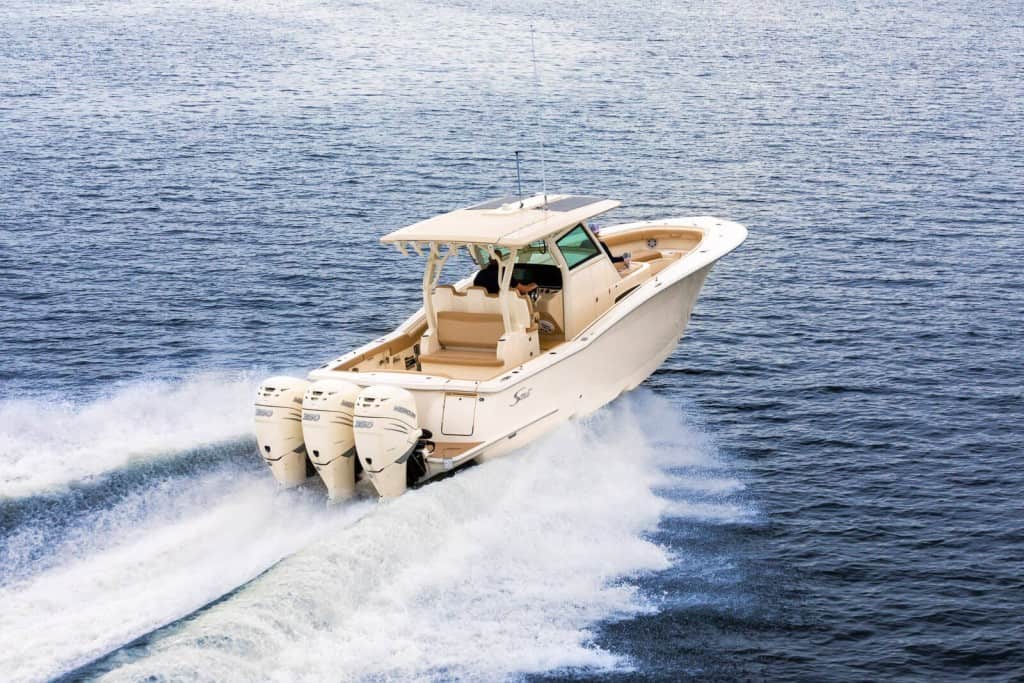
 

What Not to Ask When Buying a Boat

Buying a boat is a significant investment and can be an incredibly rewarding experience. However, if you’re a first-time boat buyer, recreational boater, or fishing enthusiast, knowing what not to ask during the buying process can save you from making common mistakes that many new buyers fall into.

In this guide, we’ll walk through some crucial points on what questions to avoid and what to focus on instead, ensuring you make a well-informed decision that matches your needs and budget.

Avoid Asking About the Price Without Understanding the Full Cost of Ownership

Why It’s a Mistake

Focusing solely on the purchase price of a boat without considering the full cost of ownership is a common error. Boats come with ongoing expenses such as maintenance, insurance, storage, and fuel costs.

What to Ask Instead

  • “What are the annual maintenance costs for this boat?”
  • “Can you provide an estimate for insurance and storage fees?”

These questions will help you get a clear picture of the long-term financial commitment involved.

Do Not Inquire About the “Best Deal” Without Considering Quality and Condition

Why It’s a Mistake

Everyone loves a good deal, but seeking the “best deal” without evaluating the boat’s quality and condition can lead to costly repairs and disappointments down the line.

What to Ask Instead

  • “Can we go over the service history of this boat?”
  • “Are there any recent inspections or surveys available?”

By focusing on the boat’s condition and service history, you ensure that your purchase is both a good deal and a quality investment.

Understand Boat Specifications and Features Relevant to Your Use

Why It’s a Mistake to Skip This Step

Generic questions about the boat’s features might not give you the specific information you need. Different boats are designed for different activities—fishing, cruising, watersports, etc.

What to Ask Instead

  • “Is this boat suitable for deep-sea fishing or just freshwater?”
  • “What are the storage options for fishing gear on this boat?”

Tailoring your questions to match your intended use will help you find a boat that meets your specific needs.

Ask Insightful Questions About Performance, Storage, and Long-Term Value

Why It’s a Mistake to Skip This Step

Not asking the right questions can lead to surprises post-purchase. Understanding a boat’s performance, storage options, and long-term value is essential to making a smart investment.

What to Ask Instead

  • “How does this boat perform in various weather conditions?”
  • “What are the storage capabilities of this boat?”
  • “Can you tell me about the resale value and market demand for this model?”

These questions ensure you get a comprehensive understanding of the boat’s capabilities and future potential.

Conclusion

By avoiding these common mistakes and asking more insightful questions, you’ll be better equipped to make a well-informed decision when buying a boat. Remember, the goal is to find a boat that fits your needs, budget, and lifestyle for many years to come.

Build Your Scout Boat Today

At Scout Boats, our mission is to craft exceptional luxury models ranging from 17′ to 53′. Each of our vessels is meticulously designed to incorporate enduring innovations, cutting-edge technology, and trendsetting features that define the pinnacle of boating excellence. Build your Scout Boat today.

Disclaimer: This article is for informational purposes only. Always follow local laws in addition to safe and responsible boating practices.
Crabbing off a Boat for Beginners

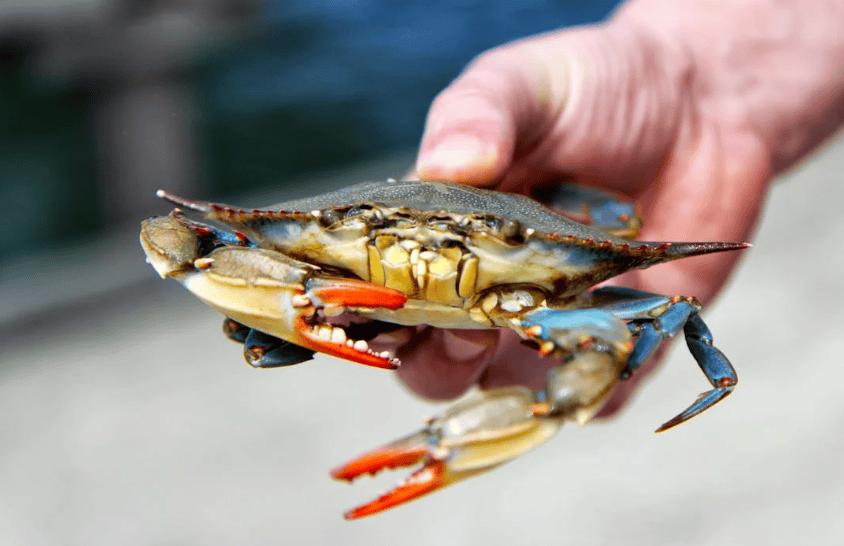
Crabbing is an enjoyable, rewarding activity that can provide not only a delicious meal but also an unforgettable outdoor experience. Whether you’re standing on the shore, wading in the tidal flats, or setting out on a boat, crabbing appeals to enthusiasts of all ages. This guide focuses on the exciting world of crabbing off a boat, breaking down the essentials every beginner needs to know.

Introduction to Crabbing off a Boat

Crabbing from a boat adds an adventurous twist to traditional crabbing, allowing you to access deeper waters and potentially more abundant crab populations. It’s an activity that combines the tranquility of being on the water with the thrill of the catch, making it an ideal pursuit for fishing enthusiasts, outdoor adventurers, and boat owners alike.

Essential Gear for Crabbing: List and Description

Before setting sail on your crabbing adventure, it’s crucial to have the right gear onboard. Here’s what you need:

  • Crab traps: There are several types of crab traps, including ring nets, pyramid traps, and box traps. Each has its advantages depending on the depth and current of your crabbing location.
  • Bait and bait box: Crabs aren’t picky eaters, but they have a strong preference for oily and smelly fish like mackerel, herring, or chicken necks. A bait box will secure your bait within the trap.
  • Rope and buoy: The rope ties to your trap and must be long enough to reach the bottom, with some slack for tides. Buoys mark the location of your traps and should be labeled with your name and contact information per local regulations.
  • Measuring gauge: This tool is essential for keeping only legally sized crabs and releasing undersized ones back into the water.
  • Gloves: A sturdy pair of gloves will protect your hands from sharp crab claws and the elements.

Understanding the Best Crabbing Spots: Factors to Consider

Location is everything in crabbing. To find the best spots:

  • Research local habitats: Crabs are often found in estuaries, saltwater bays, and on the soft bottoms along the seashore.
  • Look for sheltered areas: Piers, docks, jetty rocks, and eelgrass beds are excellent places to start as crabs tend to hide in these areas.
  • Mind the tide: Crabbing is usually more productive during incoming or outgoing tides when crabs are actively feeding.

Crabbing Techniques for Beginners: Setting Traps and Retrieving

  1. Prepare your traps: Secure your bait inside the bait box of your trap. Ensure everything is tied tightly and your buoy is properly labeled.
  2. Drop your traps: Choose your spot and gently lower your traps into the water, making sure they hit the bottom. Mark each location with your buoy.
  3. Wait: Patience is key in crabbing. Leaving your traps for at least 15-30 minutes gives crabs enough time to find your bait and get caught.
  4. Retrieve your traps: Slowly and steadily pull in your traps. A swift, continuous pull increases your chances of keeping the crabs inside.

Regulations and Safety Measures for Crabbing

Abiding by local regulations is crucial:

  • Know the legal sizes: Each region has specific size and catch limits for different crab species.
  • Crabbing season: Pay attention to the season. Many areas have restrictions to protect the crab population.
  • Safety first: Always wear a life jacket, check the weather before heading out, and ensure your boat is in good working condition.

Tips for a Successful Crabbing Trip

  • Start early: Crabs are most active during the early morning.
  • Use fresh bait: Fresh, oily bait is more attractive to crabs.
  • Check your traps regularly: This prevents crabs from escaping and deters poachers.
  • Respect the environment: Retrieve all your gear and any trash at the end of your trip.

Conclusion

Crabbing off a boat can become one of your favorite outdoor activities with the right preparation and respect for the environment. Whether you’re a seasoned fisher or a beginner looking to try something new, remember that patience and persistence are your best allies.

Build Your Scout Boat Today

At Scout Boats, our mission is to craft exceptional luxury models ranging from 17′ to 53′. Each of our vessels is meticulously designed to incorporate enduring innovations, cutting-edge technology, and trendsetting features that define the pinnacle of boating excellence. Build your Scout Boat today.

Disclaimer: This article is for informational purposes only. Always follow local laws in addition to safe and responsible boating practices.
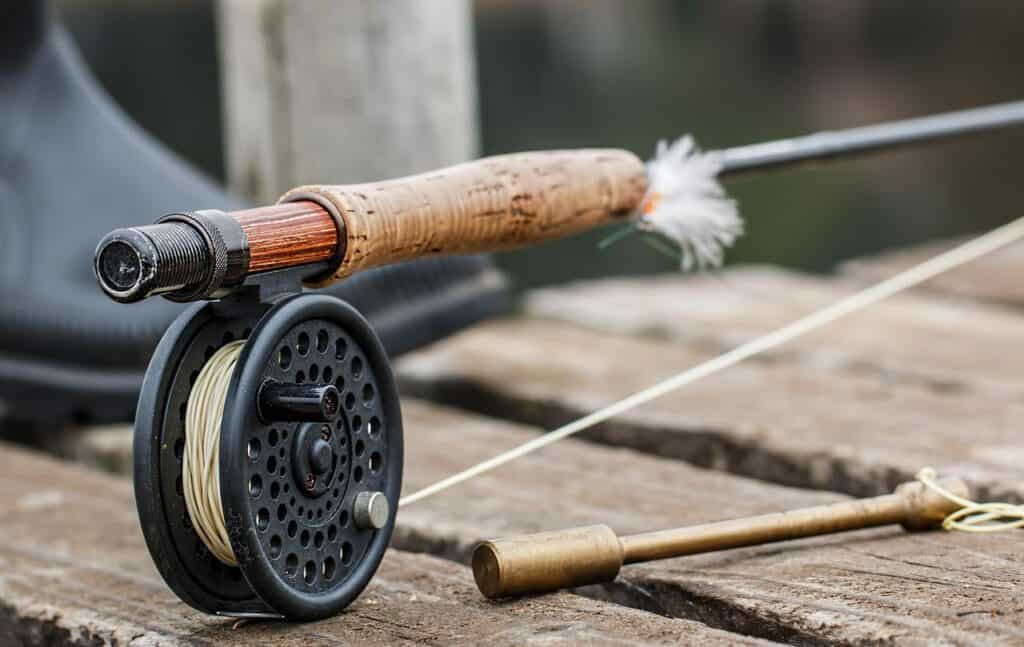
How to Avoid Misfueling Your Boat

Navigating the sparkling waters in your boat is an unparalleled experience, but it requires more than just sailing skills. A common yet overlooked aspect of marine maintenance is the correct fueling of your boat. Misfueling, or filling your boat with the wrong type of fuel, can lead to a cascade of problems ranging from engine damage to environmental pollution. This post aims to guide boat owners and marine enthusiasts on how to avoid misfueling, ensuring their vessels operate safely, efficiently, and eco-consciously.

Understanding Boat Fuels

Before setting sail, it’s crucial to understand the different types of fuel that boats may require. Mainly, boats run on gasoline, diesel, or increasingly popular biofuels. Each boat and engine type has a specific fuel requirement based on its design and performance needs. For instance, high-performance speedboats often require a higher octane gasoline, while larger, heavier vessels are typically powered by diesel engines for their efficiency and torque.

Risks and Consequences of Misfueling

The ramifications of misfueling your boat are far-reaching. The immediate concern is the potential damage to your engine. Using gasoline in a diesel engine (or vice versa) can cause inefficient combustion, leading to engine overheating, reduced power output, and long-term wear and tear. Beyond the mechanical damage, there are significant safety hazards. Diesel fuel in a gasoline engine can create a fire risk due to gasoline engines’ design for more volatile fuel.

Furthermore, misfueling can have an adverse impact on the environment. Incorrect fuel use can lead to increased emissions and pollution, contributing to water contamination and harming marine life. In the age of ecological responsibility, ensuring we use the correct fuel type becomes doubly important.

How to Prevent Misfueling

Preventing misfueling is primarily about diligence and education. Here are some tips to ensure you always fuel your boat correctly:

  • Read Manufacturer Guidelines: Always consult your boat’s manual for the manufacturer’s fuel recommendations.
  • Check Fuel Station Labels: Pay close attention to the labels at fuel stations. Misfueling often occurs from simple mistakes like using a diesel pump instead of gasoline.
  • Use Fuel Flow Restrictors: Some boats come equipped with restrictors that only allow the correct fuel nozzle size to be inserted into the tank.
  • Stay Informed on Fuel Types: Educate yourself about the types of fuel available and changes in fuel formulations (e.g., biofuels, ethanol blends) that might affect your boat.

What to Do If Misfueling Occurs

If you suspect that you’ve misfueled your boat, the first step is to avoid starting the engine. Starting the engine can circulate the wrong fuel and increase the extent of the damage. Here’s what you should do:

  1. Disconnect the Battery: Prevent any electrical sparks or engine starting by disconnecting the battery.
  2. Contact a Professional: Reach out to a marine mechanic who can safely drain and clean the fuel system.
  3. Assess for Damage: Have the engine checked for any consequences of the misfueling and repaired if necessary.

Taking these steps promptly can help mitigate the risks and potential costs associated with misfueling.

Conclusion

To enjoy a seamless boating experience, it’s critical to pay attention to the type of fuel your boat requires. By understanding the differences between boat fuels, recognizing the risks of misfueling, and adopting preventative measures, you can protect your boat’s engine, safeguard your safety, and contribute to preserving our marine environments. Remember, knowledge and attentiveness are your best tools against misfueling. Practice caution at the pump, and if you find this information valuable, share it with fellow boat owners to spread awareness.

Whether you’re a novice boat owner or an experienced sea captain, following these boat fueling tips and misfueling prevention strategies will ensure many more years of enjoyable and responsible boating.

Build Your Scout Boat Today

At Scout Boats, our mission is to craft exceptional luxury models ranging from 17′ to 53′. Each of our vessels is meticulously designed to incorporate enduring innovations, cutting-edge technology, and trendsetting features that define the pinnacle of boating excellence. Build your Scout Boat today.

Disclaimer: This article is for informational purposes only. Always follow safe and responsible boating practices.
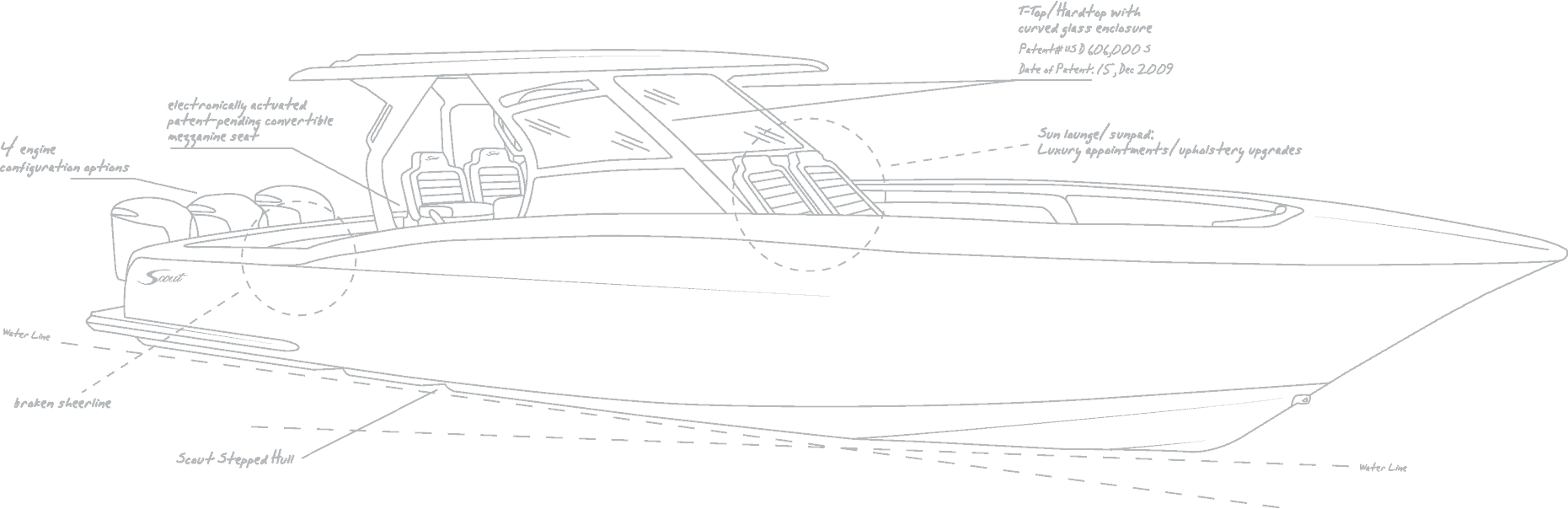
530 LXF Scout Line Drawing

Build Your Scout

Click below to build your dream Scout model.