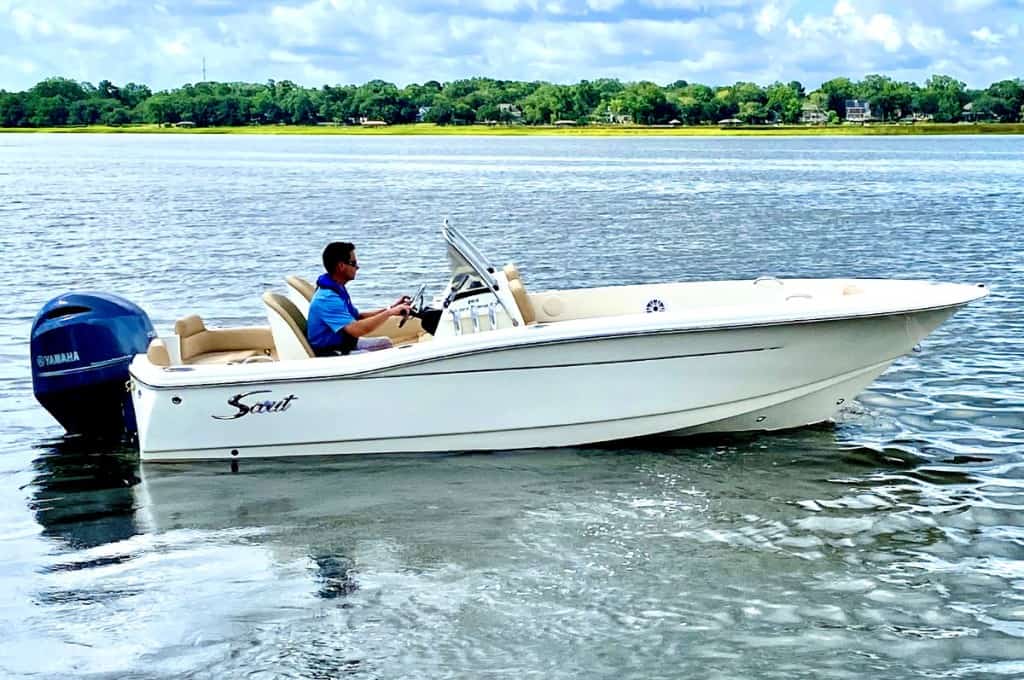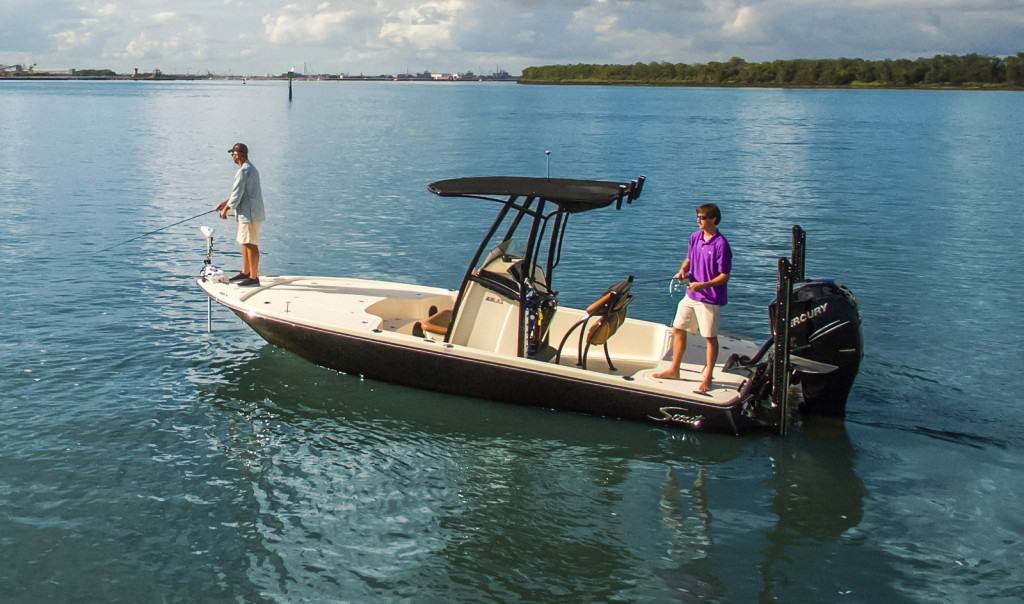
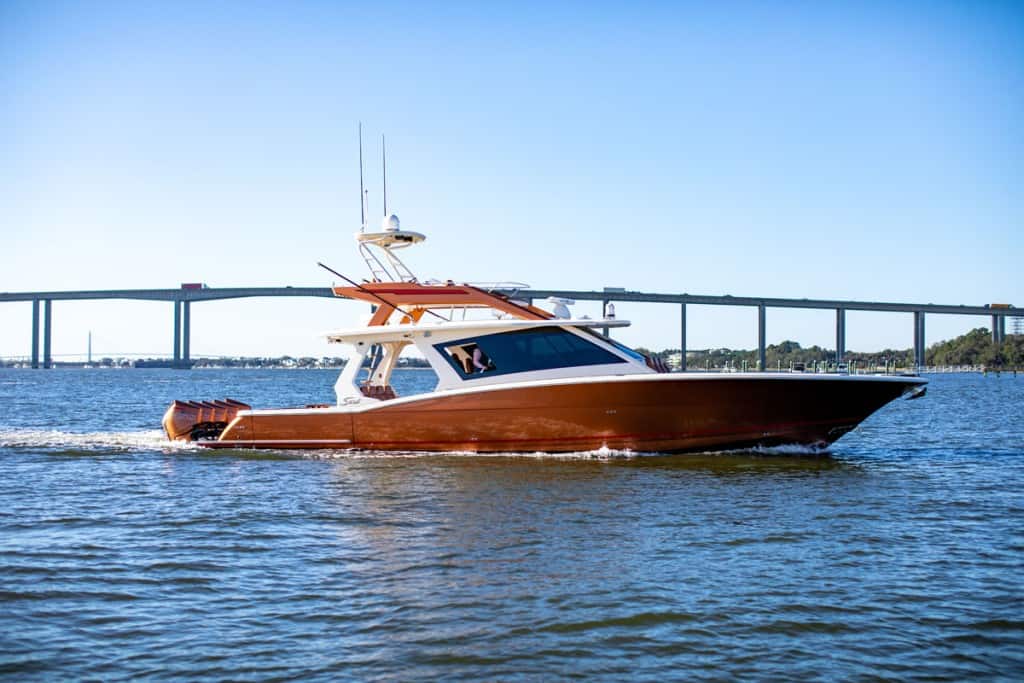
How Do You Clean Boat Upholstery?

Your boat is a major investment, so you need to protect it with cleaning, maintenance, and overall care. While boat owners are usually familiar with cleaning and maintaining a boat, they may be less likely to understand how to clean boat upholstery properly. Simply wiping down the upholstery is not enough, as you need a complete strategy to ensure your elegant upholstery lasts for years.

If you’d like to purchase a new craft, design one to fit your exact needs with our Build Your Scout tool. You can add features for fishing, sporting, entertainment, and more to best enjoy your boating experience!

Remove Upholstery If Possible

Many boats available on the market allow you to completely remove the seat cushions, which gives you easier access to the nooks and crannies of the upholstery. It also makes overall cleaning much easier and more thorough. Removing your upholstery, if possible, should be your first step in the cleaning process.

Gently Clean and Dry
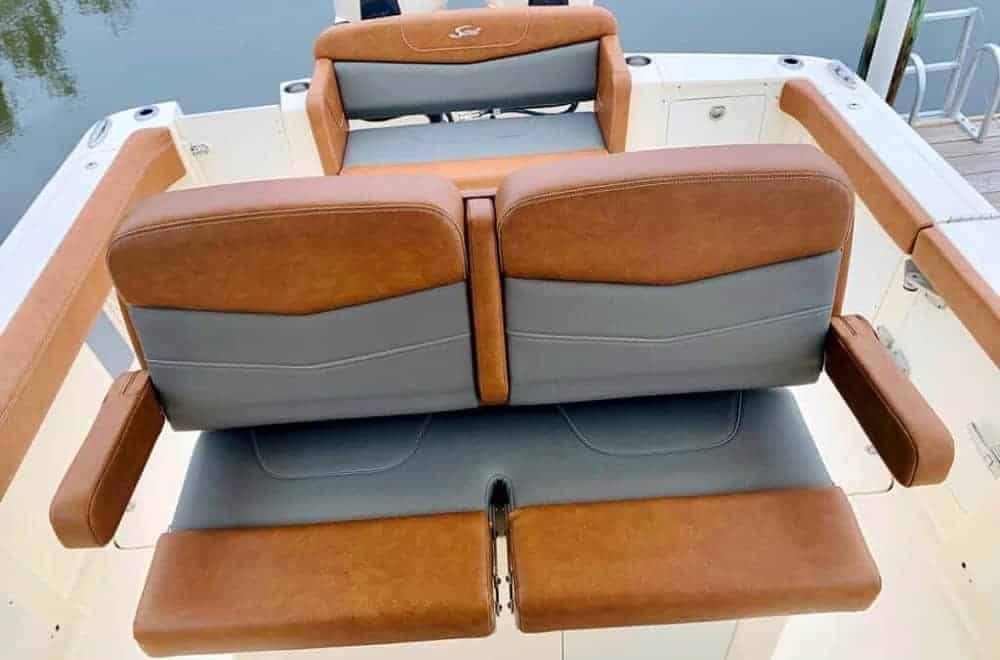
To begin cleaning, thoroughly but gently scrub the boat’s upholstery with freshwater and mild soap. Rinse thoroughly to ensure all soap has been removed, then dry the upholstery with a clean towel. Be diligent to remove all moisture, especially around the seams where water likes to hide. Make sure it’s completely dry so mold and mildew can’t grow during storage.

Deep Clean and Treatment

With the upholstery washed down and rinsed, you can start to focus on deep cleaning. This will help preserve the material and make it look brand new for decades. There are a variety of materials that can be used to preserve the upholstery, and choices will often depend on the specific material covering your seats. Whichever product you purchase, follow all directions and apply treatments with care. You may also want to check the boat manufacturer’s recommendations for product selection.

Cover When Not In Use
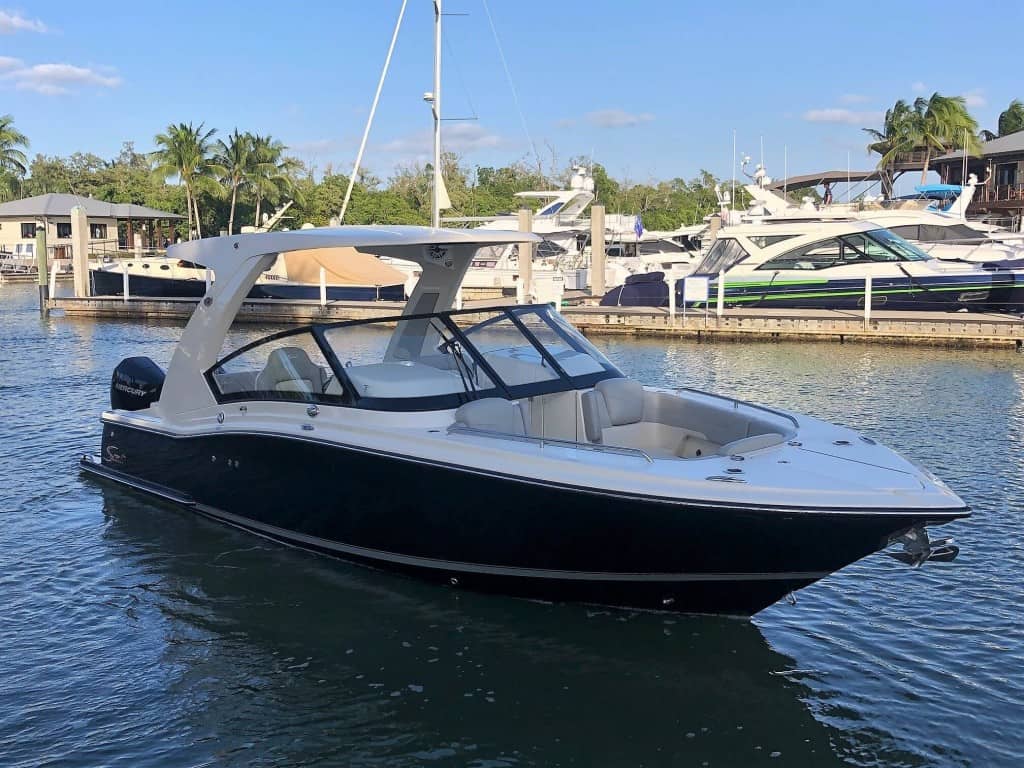
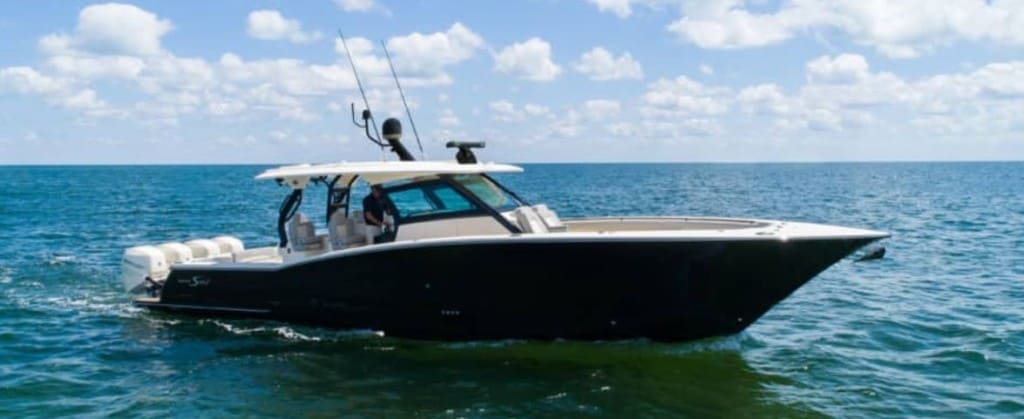
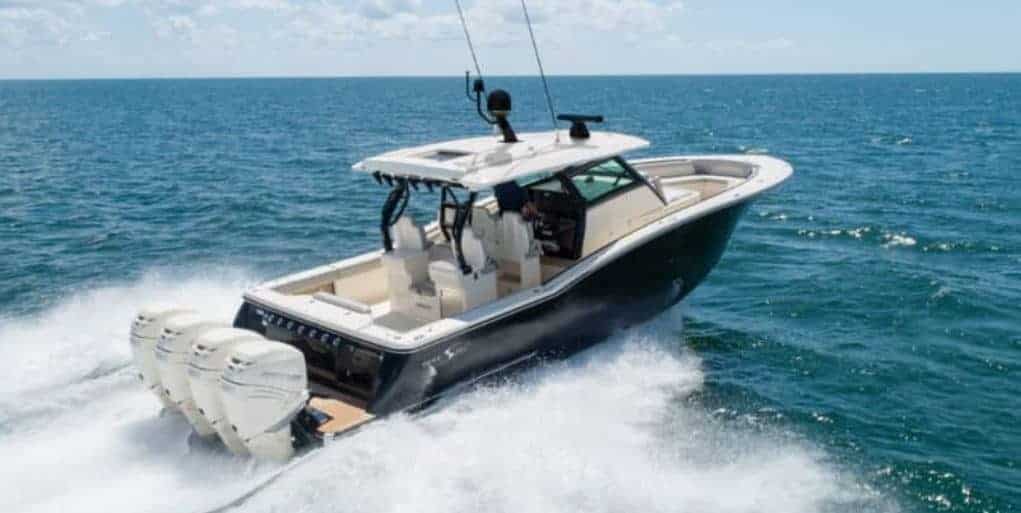
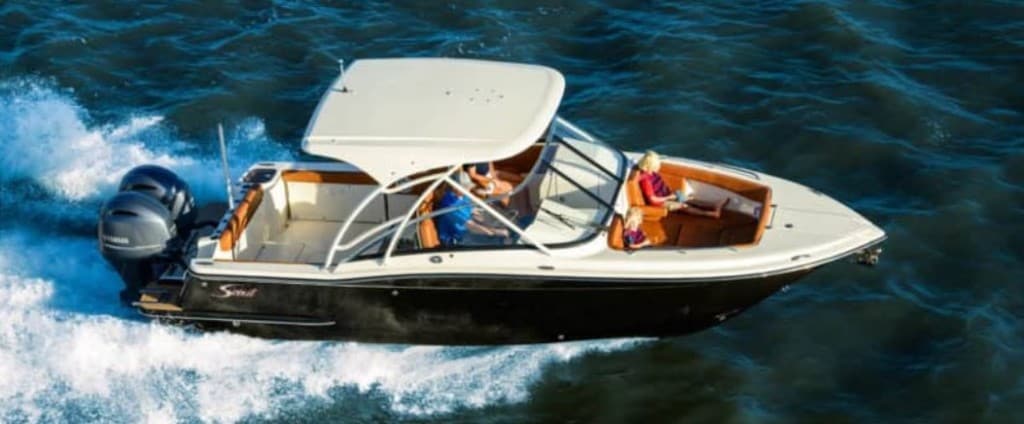
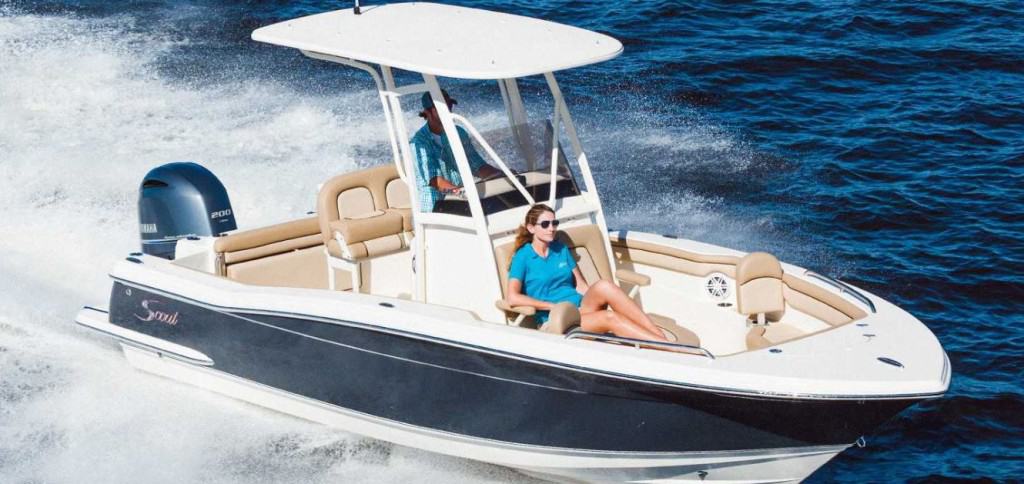
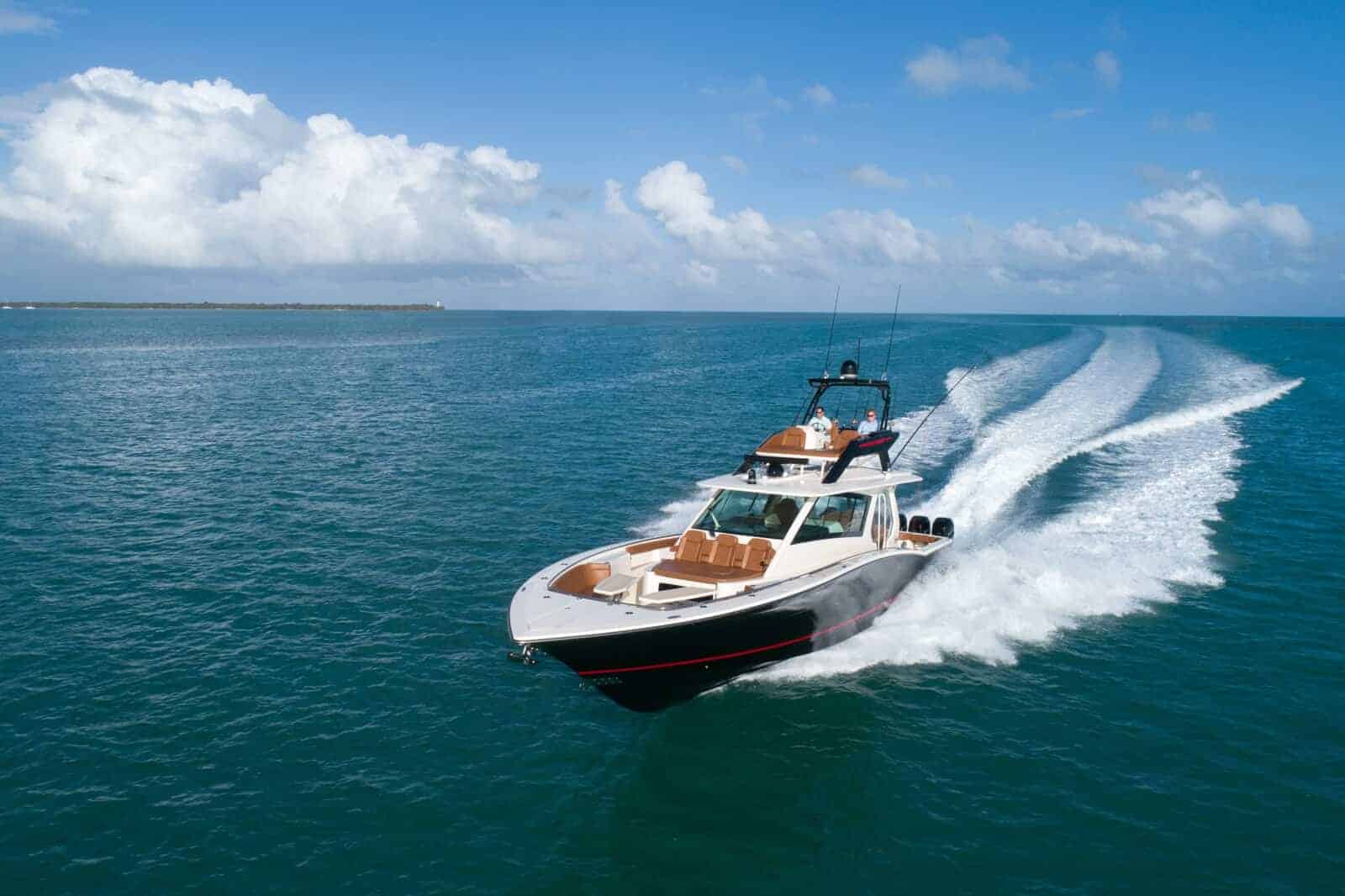
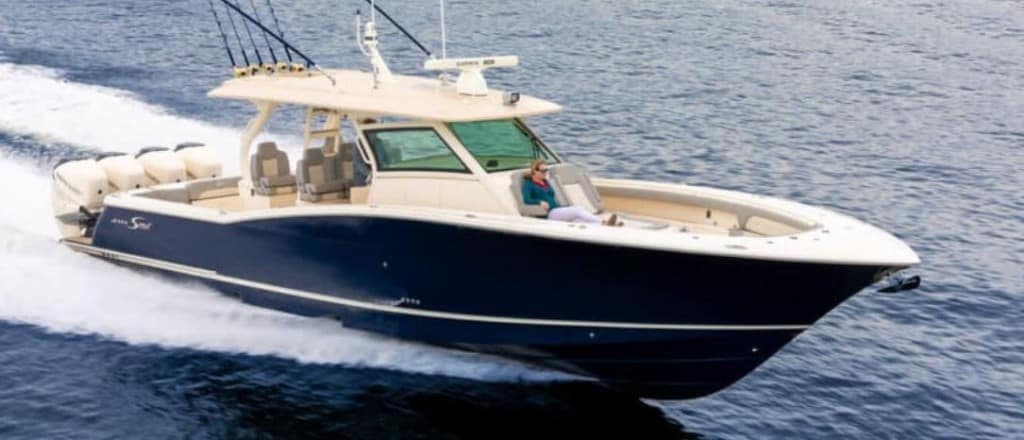
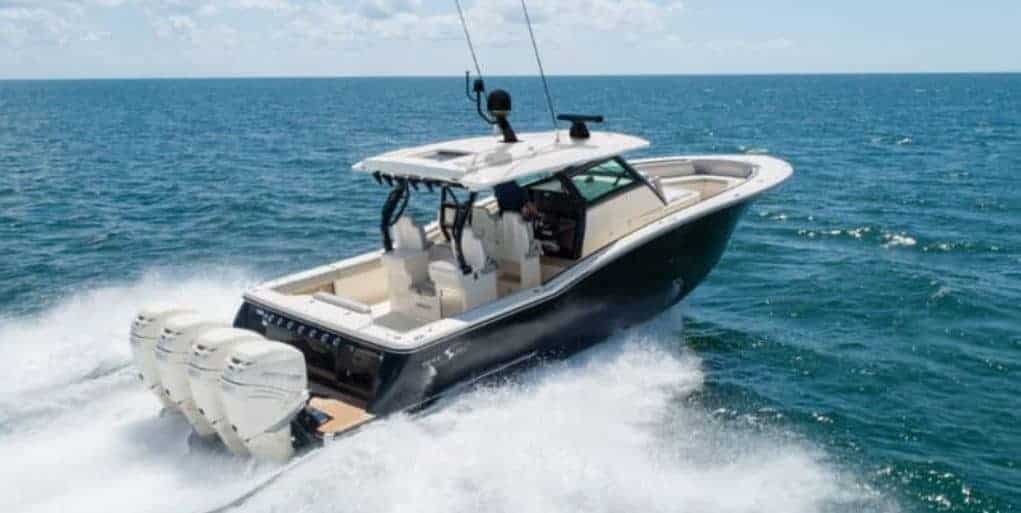
Scout 277 Dorado - Running

One of the most important things you can do for your boat’s upholstery is to cover it when not in use. A boat cover, which wraps the entire interior of your vessel, will reduce sun exposure, dust, and pests. A cover will also help keep your boat dry and ensure that when boating season starts again, you’ll have excellent upholstery waiting for you to enjoy.

Expert Tip: Avoid Harsh Chemicals

Finally, we’d like to remind you to avoid using harsh cleaning chemicals, as they can damage and stain your elegant upholstery. Only use marine-specific upholstery cleaners and avoid acetone, bleach, glass cleaners, or anything containing ammonia or paint thinners. These chemicals can remove tough household stains, but they can also create havoc on your boat’s upholstery.

Purchase a Luxury Craft from Scout Boats
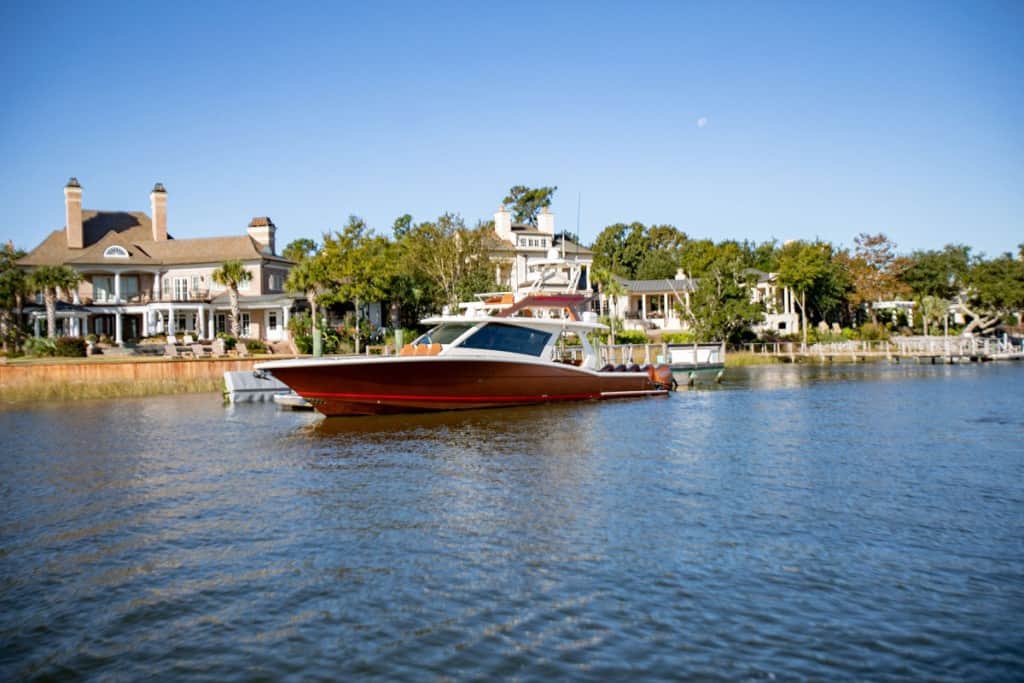
You deserve an amazing boat that delivers comfort, reliability, and outstanding performance. With precision-designed hulls and high-quality upholstery, Scout Boats has everything you need for a wonderful boating experience. Plus, you can design the exact craft of your dreams with our Build Your Scout tool. Your new vessel awaits!
Scout Boats

How Do You Clean A Boat After Saltwater?

Cleaning a boat after a long day on the water is not a favorite chore for most. But if you want to keep your vessel in top shape for years to come, cleaning is essential. Fortunately, if you use these tips, this task will be fast and easy. Read on to learn how to clean a boat after it’s been in saltwater.

If you’d like to purchase a new craft, design one to fit your exact needs with our Build Your Scout tool. You can add features for fishing, sporting, entertainment, and more to best enjoy your boating experience!

Wax Your Boat

It’s important to wax your boat regularly to ensure salt and grime can’t stick to the hull. Applying a good marine wax at least twice a year will help you maintain a high-quality craft. This can also help reduce the time you need to scrub and wash your boat after it’s been exposed to saltwater.

Rinse Thoroughly

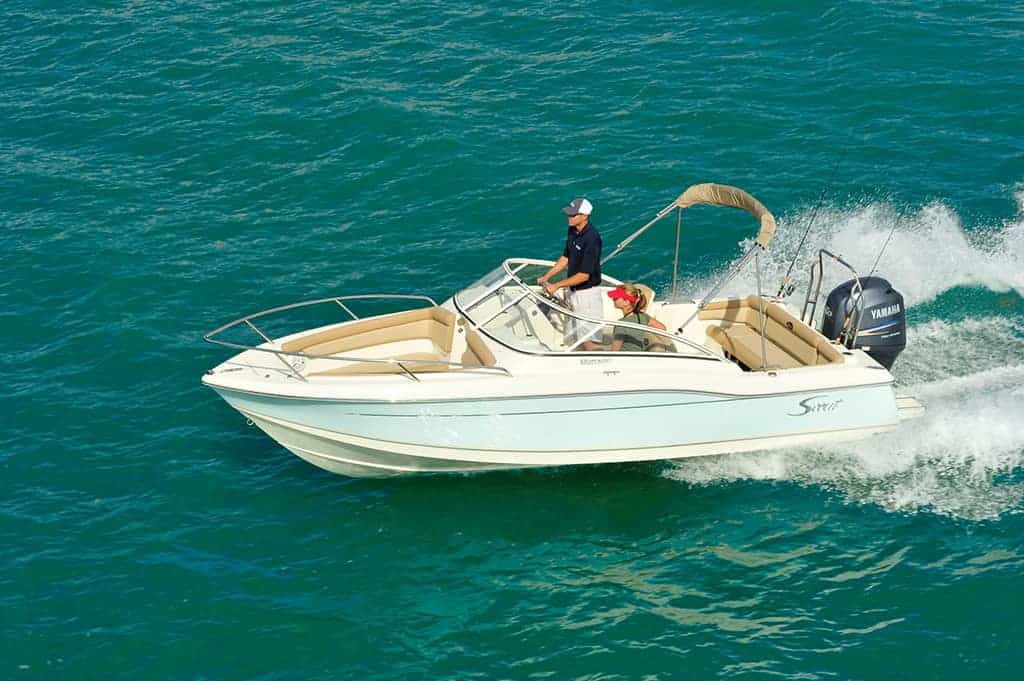
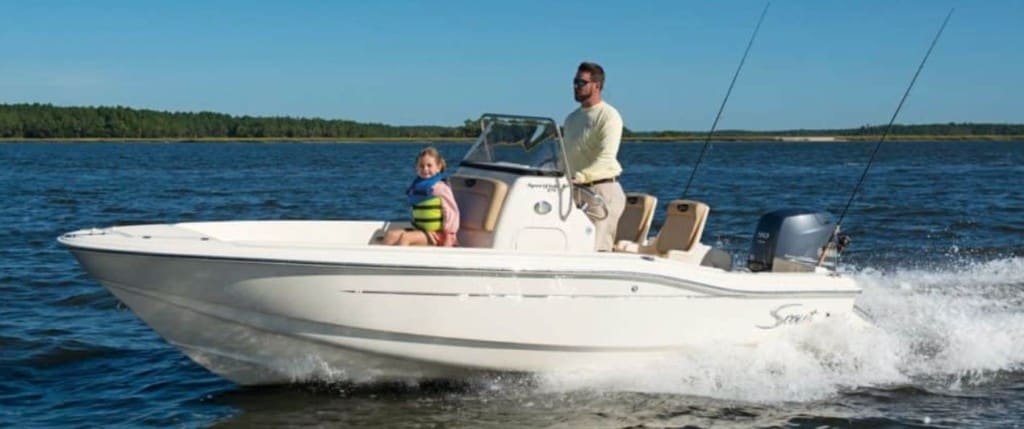
195SD profile

Before you start washing the boat, rinse it thoroughly with a hose or your wash-down system (many boats, including some Scouts, can be equipped with an onboard wash-down system). This will remove salt before it crystallizes and causes scratches on the hull. If you’re loading the boat onto a trailer, hose down the trailer frame as well. It’s especially important to wash it down when grime is still wet, as it’s far easier to remove.

Use the Right Brush

Using the right type of brush is essential. If you use the wrong type, you could damage the hull. Make sure the bristles are not too stiff, as they may scratch your hull and leave an ugly mark. A medium-soft brush works well for cleaning the boat, and you can do a final cleaning with something softer, such as a microfiber rag or a wash mitt.

Select a Soap That Doesn’t Harm the Wax

You can find a wide variety of boat soaps ranging from expensive options to generic brands. No matter what price range you choose, always check the label to make sure the soap will not remove wax from the hull.

How to Wash Your Boat

After you’ve rinsed your boat, take the following steps to further clean it:

  • Gently wash the vessel with soapy water using a wash mitt or soft rag. Start at the top, allowing soap to flow down the hull.
  • Rinse the soap with fresh water, and be sure to spray down the fish boxes and live wells.
  • Let the boat dry or wipe it clean with a squeegee blade. A squeegee blade will remove excess water and left-behind debris, creating the best results for your vessel.
  • Leave hatches open so they can dry thoroughly.
  • Use polishes and vinyl coatings to protect the metal and vinyl components.

With your boat sparkling clean, it will look great the next time you head out for a saltwater adventure.

Purchase a High-Quality Craft from Scout Boats

Now that you know how to clean a boat after it’s been in saltwater, if you’re ready to purchase a new vessel, browse the lineup from Scout Boats. From the hull to the cabin, our boats are designed with the highest standards. Plus, you can customize your craft with additional features using our Build Your Scout tool. Your dream boat awaits!
Boat Motor Guide: Everything You Need to Know

Choosing the right type of motor for your boat is essential. Use this simple boat motor guide to learn everything you need to know for making the right selection!

If you’d like to purchase a new craft, design one to fit your exact needs with our Build Your Scout tool. You can add features for fishing, sporting, entertainment, and more to best enjoy your boating experience!

Types of Engines

There are many different types of engines available to boat owners, including the following:

  • Outboard motors. These are a very common type of engine that is mounted to the rear transom of the boat’s hull.
  • Inboard motors. Most of the engine and mechanical parts are stored inside the boat itself, with only the propeller and supporting components located outside the boat.
  • Diesel-powered options. Generally, diesel is only used on larger boats that need more torque and power for hauling large cargo. Many commercial boats use diesel fuel.

Find the Right Size and Horsepower

Scout 210 Dorado

Regardless of the type of motor you choose, you need to ensure that it has enough horsepower to suit your needs. One of the main causes of people becoming bored and disinterested in their boat is a simple lack of horsepower. Make sure that the motor you choose for your boat has the ideal amount of horsepower, and you’ll get much more enjoyment from the craft.

The choice is not as simple as mere speed. Yes, more horsepower will give the boat top-end speed, but it will also give the boat better acceleration, which is ideal if you are pulling skiers or wakeboarders. Ideal horsepower also gives the boat better handling at mid-range speed, and it can even help the boat maintain stability when cruising through choppy waters.

How much horsepower do you need? There are several factors that you should consider, but it’s most important is to consult the manufacturer’s limits and recommendations, as these will give you the best guide for horsepower. You also need to consider the horsepower-to-weight ratio, fuel efficiency, and how you plan to use the boat.

Another important factor for horsepower is the number of people that will usually be riding in the boat. Especially for smaller boats in rougher waters, more people can greatly diminish the speed, acceleration, and handling of a boat. If you expect to have large groups on your boat, you may want more horsepower to maintain ideal performance.

Fuel Efficiency

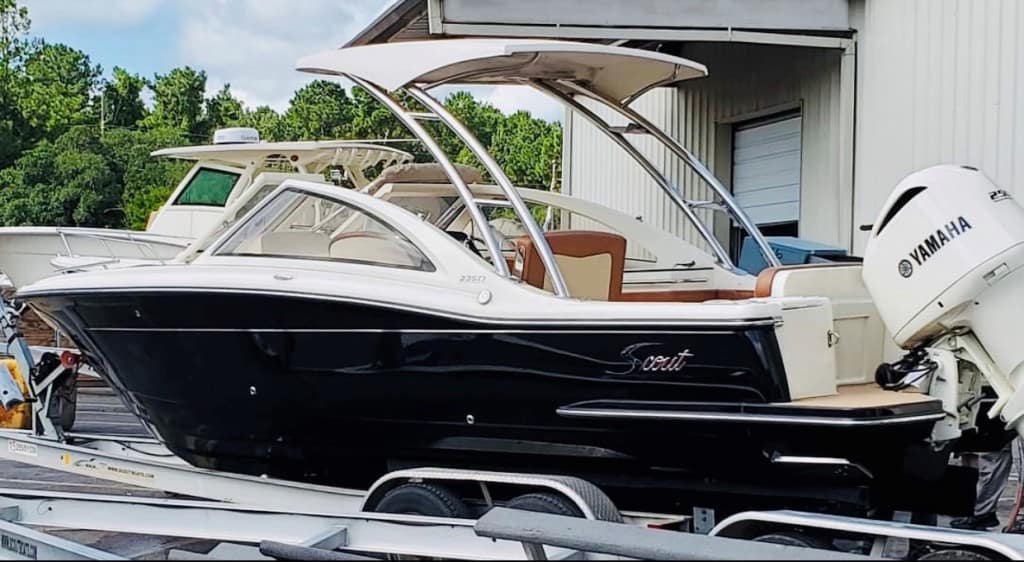
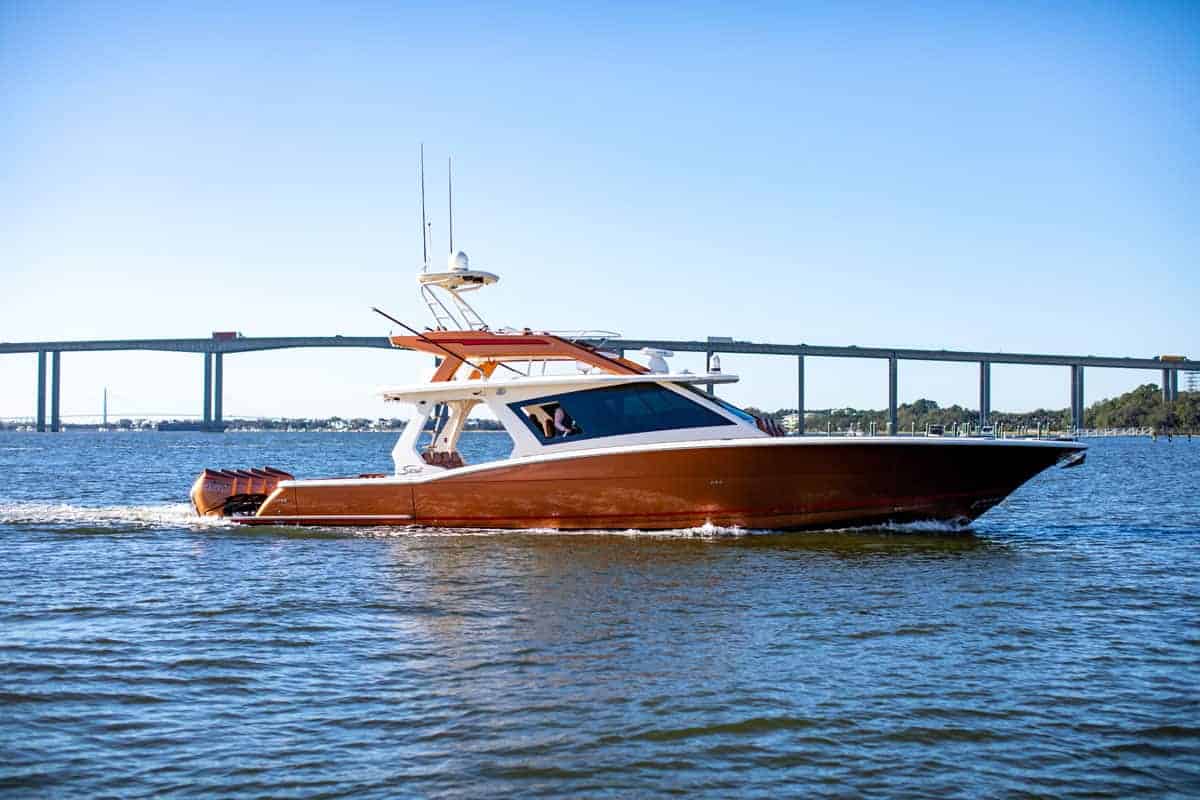
235D hardtop SS frame

Fuel efficiency also matters when choosing a motor, although fuel use is impacted by hull design, load weight, and other factors. Higher horsepower does not always mean higher fuel use, so consider manufacturer’s ratings before buying, and don’t just assume that a low-powered motor will deliver better fuel efficiency.

Purchase a World-Class Boat from Scout!

We hope this boat motor guide assists you. If you’re ready to purchase a new craft, Scout Boats offers luxury vessels that are engineered to deliver a high-quality boating experience. Plus, you can customize your selection to include features for fishing, entertainment, sporting, and more with our Build Your Scout tool. Create the boat of your dreams today!

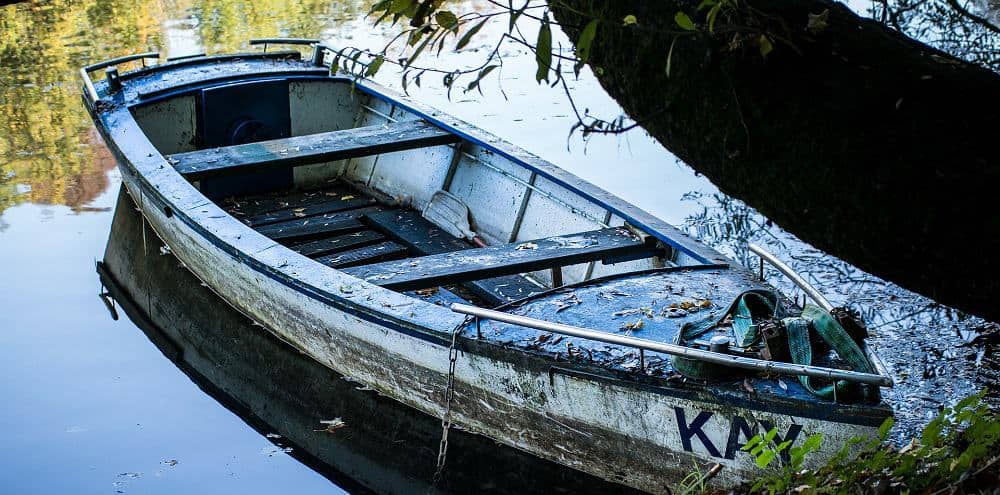
How to Get Rid of an Old Boat

The day will eventually come when you need to replace your boat. Whether you are close to a new purchase or simply want to explore options for getting rid of your craft, we’re here to assist you. Read on to learn how to get rid of an old boat.

If you’d like to purchase a new craft, design one to fit your exact needs with our Build Your Scout tool. You can add features for fishing, sporting, entertainment, and more to best enjoy your boating experience!

Sell It

The first option, and probably the most popular, is to simply sell your boat. Even if it’s not in great shape and doesn’t have much remaining value, you can likely get something for your boat. Consider a trade-in with a dealer, or place your boat for sale on listing sites to see if you have any viable offers.

Donate to a Marine School

Vocational schools are constantly looking for donations to help their students. Contact regional schools and community colleges to see if you could donate your boat. This option could bring a tax incentive, so it may not be a total financial loss.

Salvage Yards

Salvagers are often interested in older boats to use for parts. They can either use the parts themselves or sell the parts to other boat owners. Many salvagers will pay you for a boat that isn’t even working, although the price will be low and you may have to pay for shipping.

Repurpose

Boat hulls and other parts can be used for a variety of purposes. For example, a wooden boat hull makes a great garden bed. Think creatively and you may find a way to repurpose your old vessel.

To the Dump!

If no other option will work, you can simply take the old boat to the dump. You’ll need to contact your local waste facility and talk to them about disposing your boat. You’ll likely pay a disposal fee, and you may need to separate the boat from the motors.

Looking to Replace Your Old Boat? Consider a Scout!

We hope these options on how to get rid of an old boat assist you. If you’re hoping to replace your old craft, consider Scout Boats, one of the top manufacturers in the world. We design all of our luxury crafts in-house, using advanced technology and sophisticated techniques to create a high-level of performance and ride comfort. From small crafts for fishing over shallow waters to luxury offshore fishing vessels, we have something for everyone. Plus, you can customize your new craft to fit your exact needs using our Build Your Scout tool. Upgrade to the boat of your dreams today!

How to Live on a Boat

Living on a boat can bring an unprecedented level of independence and excitement—any time you choose, you can take to the water for cruising, fishing, or travel. While it can be a thrilling and interesting lifestyle, you need to prepare and organize thoroughly to maintain comfort and stability. Read on to learn how to live on a boat.

If you’d like to purchase a new craft, design one to fit your exact needs with our Build Your Scout tool. You can add features for fishing, sporting, entertainment, and more to best enjoy your boating experience!

Choose a Boat with Enough Space for Storage and Comfort

If you plan to live on your boat for an extended period of time—and we mean months, years, or even decades—you need to have a large boat that will provide plenty of space for all of your items while providing enough room to stretch your legs. If you move from a large house to a 45-foot boat, you will have smaller closets, smaller seats, and fewer cupboards. Even if you are moving into a large boat, you’ll need to declutter and downsize a lot of your items.

Learn Basic Electrical, Plumbing, and Maintenance Skills

Maintenance on a boat can be even more complicated than maintenance in your home, and there are far fewer experts who can handle the issue for you. Before moving into your boat, make sure you have some basic plumbing and electrical knowledge so you can keep the boat in ideal condition. Simple maintenance skills can go a long way towards making your boating lifestyle more enjoyable.

Know Your Costs

Living on a boat must be more affordable than living in a house, right? Not always. Maintaining the boat, making boat-loan payments, paying fees for waste management, and many other costs can quickly increase the price of your dream life. To manage expenses, make a detailed budget, and stick to the costs. Remember that costs like boat insurance can be just as much as, if not more than, homeowners insurance, so don’t assume living on a boat will always be more affordable.

Focus on Safety and Security

There are many safety issues to consider when living on a boat. Can you lock the cabin? Will children and pets be allowed onboard? It there a safe walking area from the dock to land? Who will you call in an emergency? All of these issues and more need to be addressed before you move.

Purchase a World-Class Vessel from Scout

We hope you better understand how to live on a boat. To enjoy your new lifestyle, you need a comfortable, reliable, and luxurious vessel. Nothing fits this description better than a Scout. The 530 LFX is the perfect example of a boat practically made for living onboard. It has refinement on every square inch and features advanced technology that keeps you entertained and connected while living on a boat. You can even design a craft to fit your exact needs with our Build Your Scout tool! Get started today.

How to Get a Boat Loan

Whether you like to ski, fish, or simply cruise the local waters with your family, purchasing a boat may be a great idea. Some buyers have the financial strength to buy a boat with cash, using their savings to make the purchase. Many others, however, will need a boat loan. The process is just as easy as many other forms of financing, but a little research on the subject will go a long way. Here’s how to get a boat loan.

Know Your Options

The first step is to understand the main options for obtaining a boat loan. When you are shopping for a boat, you can choose loans from a boat dealer, your local bank, or a lender who specializes in marine financing.

Organize Your Financial Information

Next, you need to organize your financial information so lenders can make a faster decision on approval. Take an afternoon to organize bank statements and information on your existing debt load. Any paystubs or tax records will also help, as these verify your income. It’s useful to pull your credit and make sure you have strong enough score for a boat loan.

Define Your Budget

When shopping for a boat, it’s easy to let the price get out of hand. If you don’t define exactly how much you can afford, you may end up with a much larger boat payment than you can comfortably fit into your budget. Decide on a maximum monthly bill for the boat loan and don’t let it go over this number.

Shop for Boats

Next, you get to head to the dealerships and start looking at boats. This is the fun part, so enjoy the process and take your time to find the exact craft that works for you. When you meet with a dealer or seller, be sure to inform them that you will need financing to make the purchase. 

Shop for a Boat Loan

Once you have selected the boat and come to an agreement on price, you can start to shop for a boat loan. Whether you finally choose a loan from a bank, credit union, or directly from the manufacturer or dealer, you owe it to yourself to shop for rates and secure best possible terms.

Apply for the Loan

Once you have a boat in place and a loan selected, you can make the application. Assuming you are approved, you can start enjoying your boat right away!

Purchase a World-Class Vessel from Scout!

We hope you better understand how to get a boat loan. If you need a high-quality boat loan to purchase a Scout, let one of our excellent dealers help. We are dedicated to working with only the finest dealerships in the country, ensuring that when you buy a Scout, you also receive a world-class experience!

What is a Tender Boat?

Scout 210 Dorado

Scout 210 Dorado

If you are thinking of purchasing a yacht, you may have also been told that buying a tender boat is a smart choice. But what exactly is a tender boat? And do you need one alongside your larger craft? Learn everything you need to know below!

If you’d like to purchase a new tender boat, design one to fit your exact needs with our Build Your Scout tool. You can add features for fishing, sporting, entertainment, and more to best enjoy your boating experience!

Tender Boat Defined

A tender boat—also simply called a tender—is essentially a smaller craft that runs back and forth from a larger yacht or ship. Tender boats address the needs of the larger craft, performing tasks that the bigger boat cannot. They can be used for a variety of purposes, including fetching supplies and equipment, transporting passengers, or simply providing a casual ride on the water. They can, in some cases, also serve as life boats during an emergency. In essence, they navigate the shallow waters that large boats are unable to traverse.

Tender boats often match the luxury and quality of the yacht itself. They are usually loaded with convenience and comfort features, and may even have sleeping cabins and space for numerous passengers.

A tender can be stored on the ship—in fact, they are usually hoisted onto the deck for safe and secure storage. They can also be towed behind the yacht, which provides quick and convenient access to the water.

A Sturdy Tow Eye is a Sign of Quality

Vessels from Scout Boats are extremely useful as tender boats due to their tough and sturdy tow eye. This tow eye is an indicator of just how popular our boats are among yacht owners and captains.

Located at the front of the boat on the helm, the tow eye allows the craft to be pulled by a larger vessel, such as a yacht. About 50% of our LFX 420 boats, for example, are used as tenders for large yachts, which is why we install these tough and rugged tow eyes.

Scout Boats has an industry reputation as one of the best brands for yacht tenders, and we are extremely proud that our boats are used by yacht owners who have such high expectations for quality and luxury. Our crafts, when used as yacht tenders, are towed all over the world and used in some of the roughest conditions possible. Yacht captains trust Scout Boats to deliver the reliability and performance they expect. With luxury features, refined amenities, and comfort from front to back, our boats are ideal for anyone who owns a yacht and wants to maintain comfort and quality in a tender.

Create a Refined Boat to Match Your Yacht

We hope you better understand what a tender boat is! The 420 LXF and 380 LXF make excellent tender boats, but any craft in the Scout Boats lineup will deliver the quality you deserve. Visit one of our excellent dealers to learn more about using a Scout as a tender for your luxury yacht. Or, begin designing the perfect tender for your needs with our Build Your Scout tool now!
What Makes a Boat a Yacht?

If you’re thinking of purchasing a yacht or are wondering if your current boat qualifies as a yacht, we’re here to help. Below, we’ll define this type of vessel so you can better understand what makes a boat a yacht.

If you’d like to purchase a new craft, design one to fit your exact needs with our Build Your Scout tool. You can add features for fishing, sporting, entertainment, and more to best enjoy your boating experience!

Defining a Yacht

Size is the primary factor in determining if a boat can be considered a yacht. While there is no official point at which a boat becomes a yacht, anything over 40-feet in overall length could conceivably be considered a yacht. In addition, as you move bigger in size, you will probably get into “mega-yacht” or “superyacht” territory. Basically, if you have an extremely large boat, you can call it a yacht and no one will argue.

While it’s easy to identify a large boat as a yacht, the bottom end of the yacht-size spectrum can be more difficult to determine. For instance, some may not agree that a 40-foot boat is a yacht. Others might say that 35-feet is the bare minimum, while others might say it must be 50-feet or more.

Length alone is not a reliable way to determine whether a boat is a yacht. That said, another defining feature to consider is luxury. A boat is much more likely to be a yacht if it is large in size and has many luxury amenities and entertainment features. In fact, the term “yacht” comes from the Dutch word “jaght,” which was used to designate boats that were used for pleasure by royalty.

Yacht Features Found on Scout Boats

If you browse our inventory of boats, you’ll find plenty of crafts that could reasonably be considered yachts. At the very least, they have yacht-like characteristics and luxury features. The 530 LXF, for example, has an absolutely gorgeous interior cabin that is loaded with luxury features such as a private master stateroom, hanging closet, and hidden storage.

The 420 LXF has a hydraulic beach platform on the port side and a Seakeeper Gyro stabilizing system, which enhances the comfort and enjoyment of the ride. The 380 LXF—another boat that has enough size to be considered a yacht—has a convertible hideaway entertainment system that can be used for prepping bait, grilling, accessing tackle, and more. All of these features place each craft into the category of yachts.

Purchase a World-Class Vessel from Scout

We hope you better understand what makes a boat a yacht. If you want to own one of the most luxurious boats on the water—yacht or not—you should consider a Scout. Our vessels have refinement and performance, creating an outstanding boating experience! Plus, you can add your favorite luxury features to the craft of your choice using our Build Your Scout tool. Get started today!

Scout Boats

Where and How to Store Your Boat

Whether it’s the warm boating season or the cold winter months, boaters need to consider storage. Finding the right place to store your boat can have a large impact on your overall enjoyment of the craft, so it’s important to carefully review your options. In general, you’ll find that boat storage falls into three broad categories—outdoor storage in the water, outdoor storage out of the water, and indoor storage. Read on to learn where and how to store your boat.

If you’d like to purchase a new craft, design one to fit your exact needs with our Build Your Scout tool. You can add features for fishing, sporting, entertainment, and more to best enjoy your boating experience!

Wet Outdoor Storage

Although it may be surprising, some people do actually store their boat in the water all year long. This is usually an acceptable practice in any region where there is no hard freeze. Even if there is a light freeze, it can still be acceptable for your boat.

Many marinas offer “wet slips,” which are typically the most affordable option. With this method, your boat stays in the water all year, although lift slips are likely also available. This provides you with the additional option of lifting the boat off the water, which helps maintain the quality of the hull.

The top advantage of wet storage is that you have access to the boat whenever you want it, and you won’t have to wait for storage-facility staff to give you access to the craft. You also don’t have to trailer the boat every time you want to go on the water—unless, of course, you want to boat on a different body of water.

Dry Outdoor Storage

195 Sport Dorado

When it comes to storing a boat, dry outdoor storage is a more popular option, but it’s also more expensive. With this type of storage, your boat is kept in an uncovered space in a dry location. It will require a canvas cover of some type to protect the interior.

Dry outdoor storage is available almost any area where boats are found, so you can likely find a facility in your region. In fact, many marinas actually have on-site dry outdoor storage.

Indoor Storage

Midnight Black

Indoor storage is the most expensive option, but it also provides the most protection for your craft. However, it can sometimes be difficult to find. Indoor boat storage facilities come in a variety of types and sizes, and many have giant racks—often called “boatels”—that can be used to store your vessel.

Of course, if you have your own garage, you could have your own indoor storage space. But this may also mean sacrificing a place for one of your vehicles.

Purchase a World-Class Boat from Scout

Midnight Black Hull

We hope you have a better idea of where and how to store your boat. If you’re looking to purchase a brand new craft, get started designing it with our Build Your Scout tool. From large offshore fishing boats to small skiffs for intertidal fishing, our world-craft vessels are sure to meet your needs.

Scout Boats

What is a Boat’s Deadrise and Why it Matters for Performance and Comfort

The design of a boat hull can have a major impact on the overall performance, efficiency, and stability of a vessel. There are many aspects of a hull, but one of the most important features that offers a great comparison point for different boats is the “deadrise.” Learn more about what deadrise is and why it matters for performance and comfort.

To customize your craft to fit your exact needs, use our Build Your Scout tool. You can add features for fishing, sporting, entertainment, and more to best enjoy your boating experience!

What is Deadrise?

Most boats have a V-shaped hull. These angled hulls drop below the surface, and the V shape allows the vessel to cut through water and waves. Generally speaking, the sharper the angle, the more the boat can cut through water.

The deadrise of a boat is a measurement of the angle at which the boat’s V-shaped hull rises from the bottom point of the V.

For example, a flat-bottomed boat would have a zero-degree deadrise, as there is no angle. However, most boats use a V-shape which can have a deadrise from 10 degrees to as many as 50 degrees.

However, most hulls have multiple deadrise measurements, which are generally higher or steeper towards the front, then become lower at the back. For example, a boat might have a deadrise of 35 degrees at the front, which will then slope to a deadrise of 25 degrees towards the middle. Near the back, the deadrise could flatten to 15 degrees, give or take.

Why Does Deadrise Matter?

Deadrise matters to boaters because it provides a useful metric for determining how well the boat will perform while speeding across the water or moving in rough, choppy conditions. A larger deadrise (higher angle) will cut through seas and lakes more easily and will generally provide a smoother ride, especially at higher speeds. A low deadrise, on the other hand, will slam into waves with more force, creating a harsh ride when traveling at high speeds.

The Disadvantage of A High Deadrise

But there is a disadvantage to having a high deadrise. When the angle is sharp, the boat’s hull sinks lower into the water, which means you won’t have the same amount of access to shallow waters that are enjoyed by low-deadrise boats. This is the reason that flat-bottom boats are the craft of choice for shallow-water fishing or boating in marshes and wetlands.

Boats with the Most Desirable Deadrise from Scout

Most manufacturers—Scout Boats included—try to find a happy medium for deadrise. We design our hulls in-house, which allows us to create a hull with the perfect deadrise for maximum performance.

The hull on the 175 Sportfish, a small boat intended for versatile fishing, has a listed deadrise of 13 degrees. This allows the boat to access shallow-water fishing locations. On the other hand, the 420 LFX has a deadrise of 22 degrees, which creates better stability for this larger craft.

Find The Perfect Craft from Scout Boats

We hope you better understand what a boat’s deadrise is and why it matters for performance and comfort. If you’re ready to purchase a new vessel, browse the lineup from Scout Boats. We create high-quality crafts that offer a luxury boating experience. Plus, you can customize your selection to include features for fishing, entertainment, sporting, and more with our Build Your Scout tool. Create the boat of your dreams today!

Scout Boats

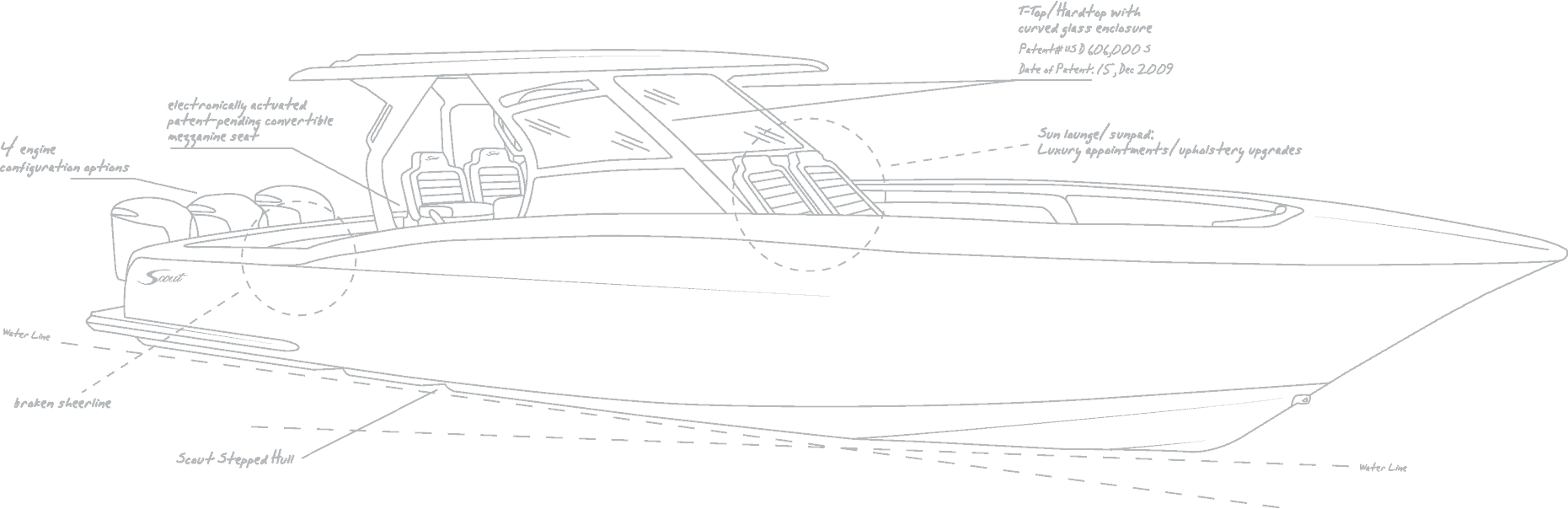
530 LXF Scout Line Drawing

Build Your Scout

Click below to build your dream Scout model.