Boat owners need to have a wide variety of skills. From tying knots to backing a trailer to diagnosing a motor problem, these are the skills you’ll need for an enjoyable boating experience.

 Jerry Cahalan
Boat owners need to have a wide variety of skills. From tying knots to backing a trailer to diagnosing a motor problem, these are the skills you’ll need for an enjoyable boating experience.
As a boat owner, it’s up to you to maintain safety while on your craft. Part of maintaining safety is knowing how to control the boat in rough water. Practice and experience is most important, but with these rough water boating tips, you’ll be ready for any harsh seas and weather you encounter.
If you’d like to purchase a new craft, design one to fit your exact needs with our Build Your Scout tool. You can add features for fishing, watersports, entertainment, and more to best enjoy your time on the water!
The faster you go, the more chance there is for a serious accident. If you’re boating in rough water, the first thing you should do is to slow down. Ease up on the throttle and settle into a nice, easy speed that keeps you moving but doesn’t take unneeded risks.
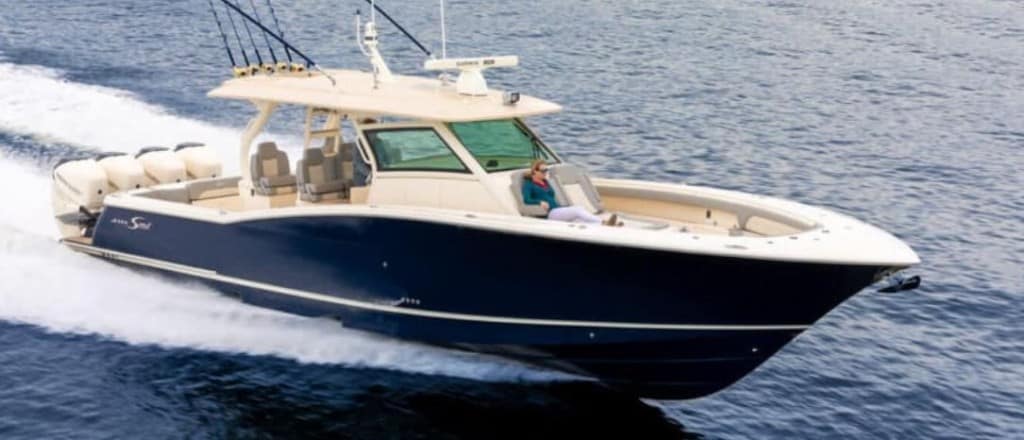
There’s always the chance that you could go overboard. But when boating on rough water, that chance is heightened. When rough seas start to pound your boat, make sure everyone is wearing their lifejackets. It might seem unnecessary, but if someone goes overboard, this could be a small but life-saving step.
Look ahead for larger waves coming your direction. Waves will not be consistent from one end of a lake, bay, or ocean to the other, so you need to pay attention and anticipate changes. Waves could shift angles or become larger, and you need to be prepared to meet these changes.
The trim tabs can be adjusted to create a smoother, safer ride, but they need to be used carefully. A lot will depend on the design and general build of your boat, as well as the load weight. Practice and experiment with the trim tabs in rough but manageable seas to prepare for an emergency.
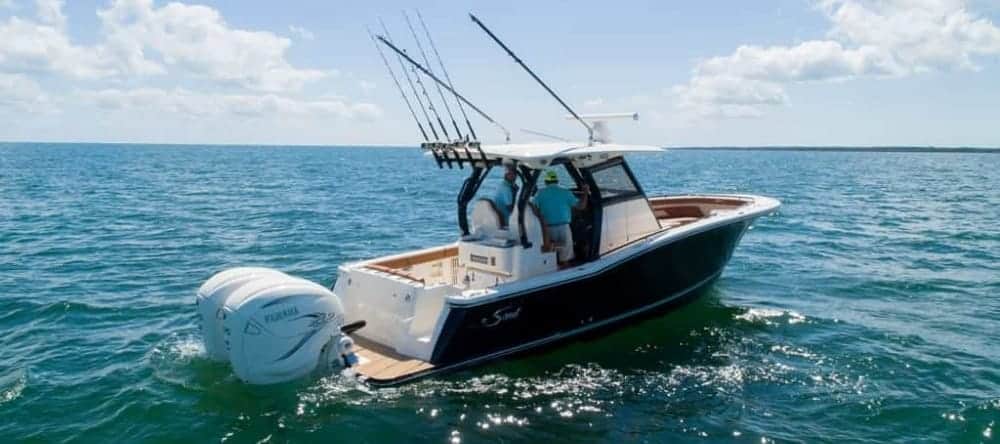
Part of maintaining a safe boating experience is knowing your body of water. In saltwater areas, understanding the tide is a crucial part of boating on rough water, as it will help you avoid potential disaster and damage. If you don’t know the area, study a map and pay attention to your depth chart.
You can’t (or at least, shouldn’t) strike the waves head on, as this will create jarring crashes between your hull and the water. Instead, angle into the waves at roughly 45-degrees. This will allow you to easily slice into the waves instead of crashing into them. It will not only create a safer ride, but a more comfortable one as well.
Even after implementing the above tips, you still may need to seek immediate shelter. Whether it’s a different port or a sheltered bay, you need to know when it’s time to stop trying to reach home and simply wait out the rough water.
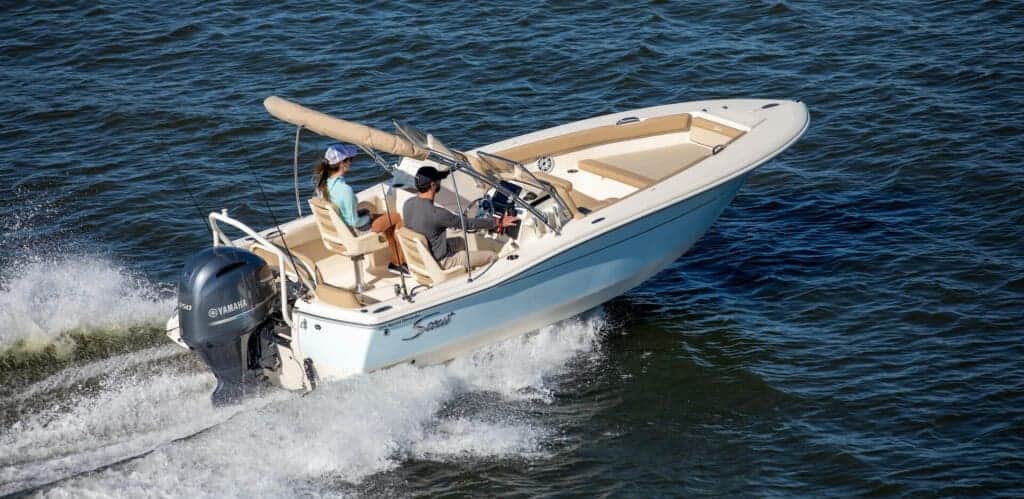
We hope these rough water boating tips assist you! Whether you’re searching for the finest boat for water sports, fishing, or relaxing cruises, you’ll love our lineup of crafts available from Scout Boats. From large offshore boats to small fishing vessels, we have the right craft for your needs! Plus, you can design your boat to fit your exact specifications with our Build Your Scout tool. We look forward to providing you with a world-class vessel!
For many, towing their boat to the water is one of the most stressful times of the entire boat-owning experience. But, with a little practice, preparation, and a lot of patience, trailering your boat safely and effectively can be simple. Learn some tips on how to tow your boat safely, below.
If you’d like to purchase a new craft, design one to fit your exact needs with our Build Your Scout tool. You can add features for fishing, watersports, entertainment, and more to best enjoy your time on the water!
It’s important not to tow too much weight. Review your vehicle’s towing capacity and make sure your boat, trailer, and equipment do not exceed this number. Towing too much can damage your vehicle, especially the transmission. It can also be dangerous, as your brakes may not be meant to stop such a heavy load.
The tongue weight is how much weight is being added to the hitch. Your trailer should be well balanced so it doesn’t add too much weight to the tongue. Still be sure to check if your vehicle can handle the additional weight.
Since your vehicle can only tow so much weight, it’s critical not to overload the vessel. When preparing for a trip, it’s easy to add more and more items. Coolers, towels, skis, tackle, fishing rods, and food can all add up to hundreds of additional pounds. Don’t overdo it with equipment or you’ll exceed your vehicle’s capacity.
Don’t just toss items into the boat and assume they’ll be safe. While traveling down the roads at highway speeds, a slight bump can send items flying. Make sure everything is secure, even if you still have a canvas cover on the boat. This will ensure your belongings don’t fall out and strike another vehicle.
When connecting the trailer, you’ll need to plug the trailer lights into the rear of the vehicle. But don’t just assume the lights are all working. Test the brake lights and turn signals to ensure you will be safely traveling down the road.
It might seem like a lot of work, but when you get to the boat launch, your fellow boaters will appreciate that you took the time to work on your backing skills. If you’re not experienced with backing a trailer, take an hour to practice moving the trailer backward so you’re ready for launch.
Your trailer will turn tighter than the vehicle, so you need to take a wide-angle on all turns, especially if there are obstacles such as street signs. Turn wide to avoid damage to your trailer as well as roadside posts and signs.
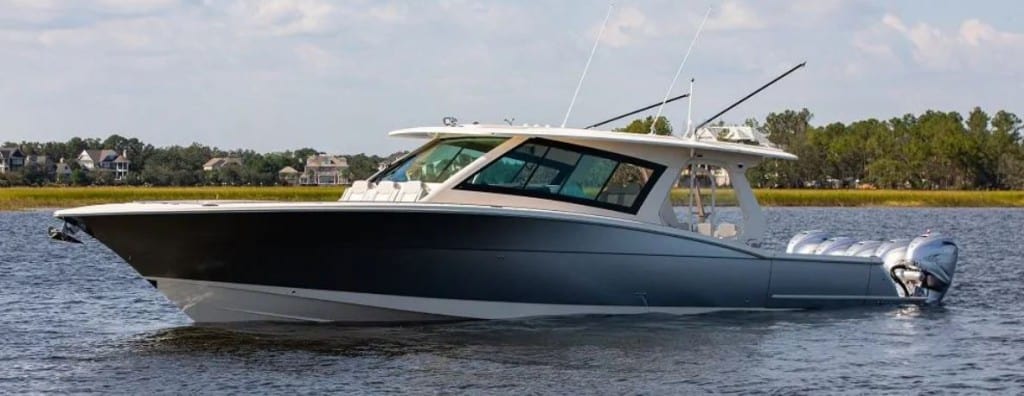
We hope you now know how to tow your boat safely. Whether you’re searching for the finest boat for water sports, fishing, or relaxing cruises, you’ll love our lineup of crafts available from Scout Boats. From large offshore boats to small fishing vessels, we have the right craft for your needs! Plus, you can design your boat to fit your exact specifications with our Build Your Scout tool. We look forward to providing you with a world-class vessel!
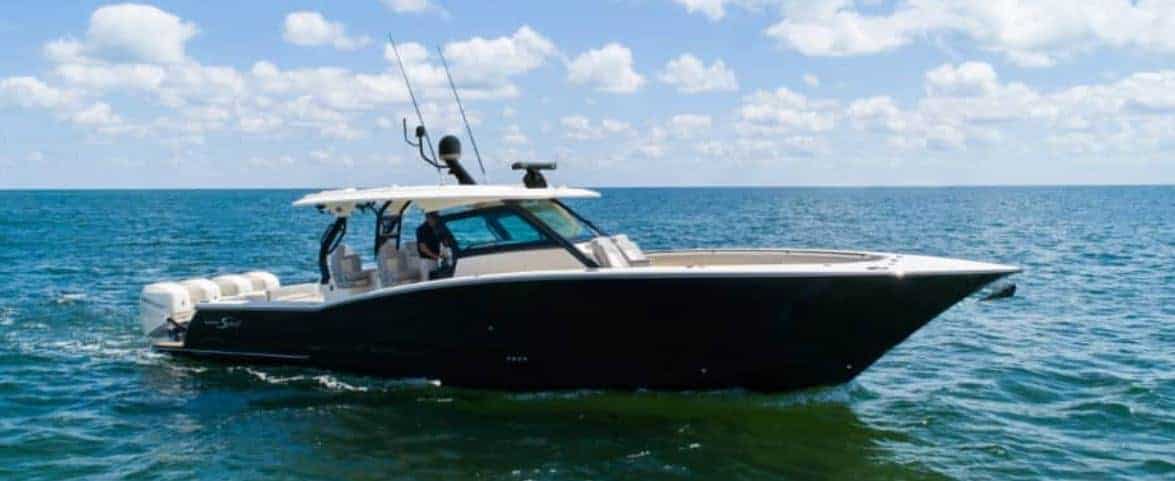
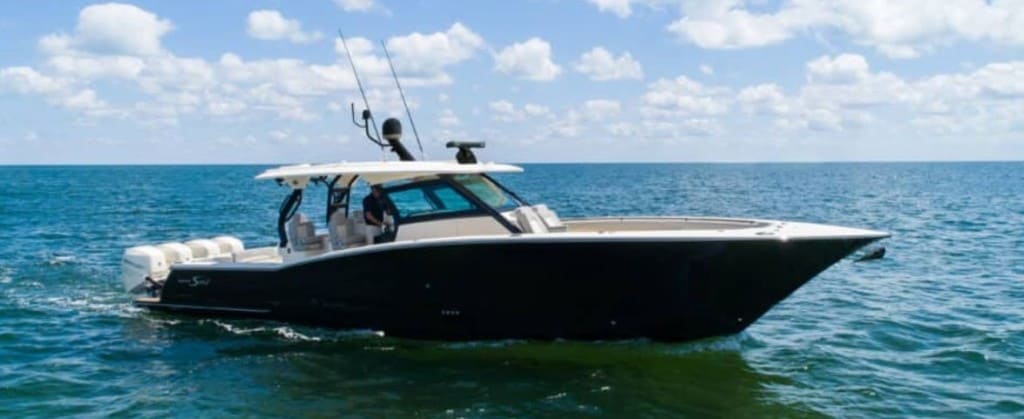
Boating is a pursuit that requires strict adherence to proper etiquette. Boating etiquette not only keeps everyone happy on the water, but it keeps everyone safe, as well. When you’re ready to go out for a ride, refer to this boating etiquette guide which includes the rules and guidelines for the water.
If you’d like to purchase a new craft, design one to fit your exact needs with our Build Your Scout tool. You can add features for fishing, watersports, entertainment, and more to best enjoy your boating experience!
The boat launch can be one of the most frustrating areas when people don’t launch quickly. It’s good boating etiquette to have everything prepared so you can get your boat in, get it loose from the trailer, and quickly get out of the way. Have everything in place before you launch.
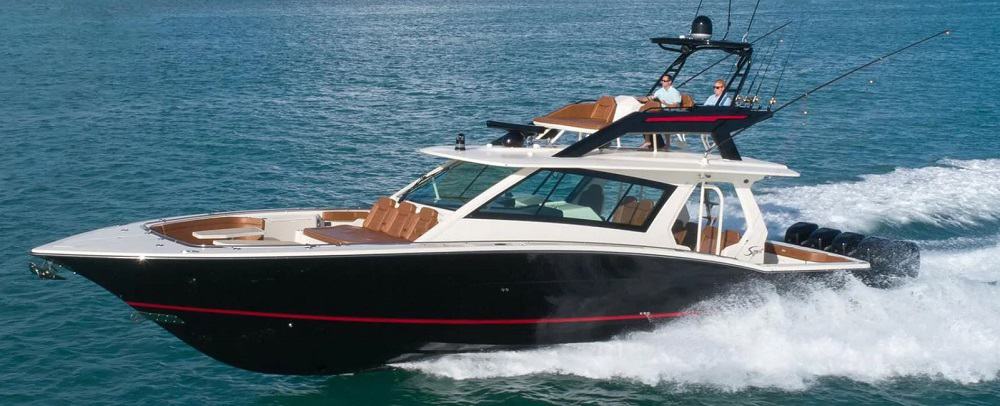
Boating, just like driving a car, has specific rules for the right of way. When you’re on the water, remember that sailboats have right of way over motorboats. Give them the chance to pass first, and always slow down near these vessels to maintain safety.
Just like sailboats having right of way over motorboats, human-powered boats have right of way over everything else. If you come across a canoe, kayak, or rowboat, give them the right to pass in front and also give them plenty of room.
When one boat passes another, there is a heightened chance for a collision, especially if the slower boat veers off course. When being passed, either from the front or from the rear, maintain your general course and don’t make any fast turns. This will help ensure everyone stays safe while you’re boating.
Like the boat ramp, a fueling station can be a place of frustration. Other boaters are waiting to use the station, so get your boat near the dock, fill up, pay, and leave. If you have other business, such as stocking up on live bait, you can do this after you gas up and move your boat.
No-wake zones are there for a reason. Respect no-wake areas by going slowly whenever you see signs. Proceeding with a slow speed and no wake will help you avoid damage and injury that can be caused when wakes are high.
One of the golden rules for boating is to give as much room as reasonably possible. You don’t have to give 200 yards of space, but avoid being close to other boats, especially when passing. Boats with skiers or tubers should be granted an especially large space, and never go near boats with people being pulled behind.
We hope you enjoyed this boating etiquette guide to the rules and guidelines for the water. Whether you’re searching for the finest boat for water sports, fishing, or relaxing cruises, you’ll love our lineup of crafts available from Scout Boats. From large offshore boats to small fishing crafts, we have the right vessel for you! Plus, you can design your boat to fit your exact needs with our Build Your Scout tool.

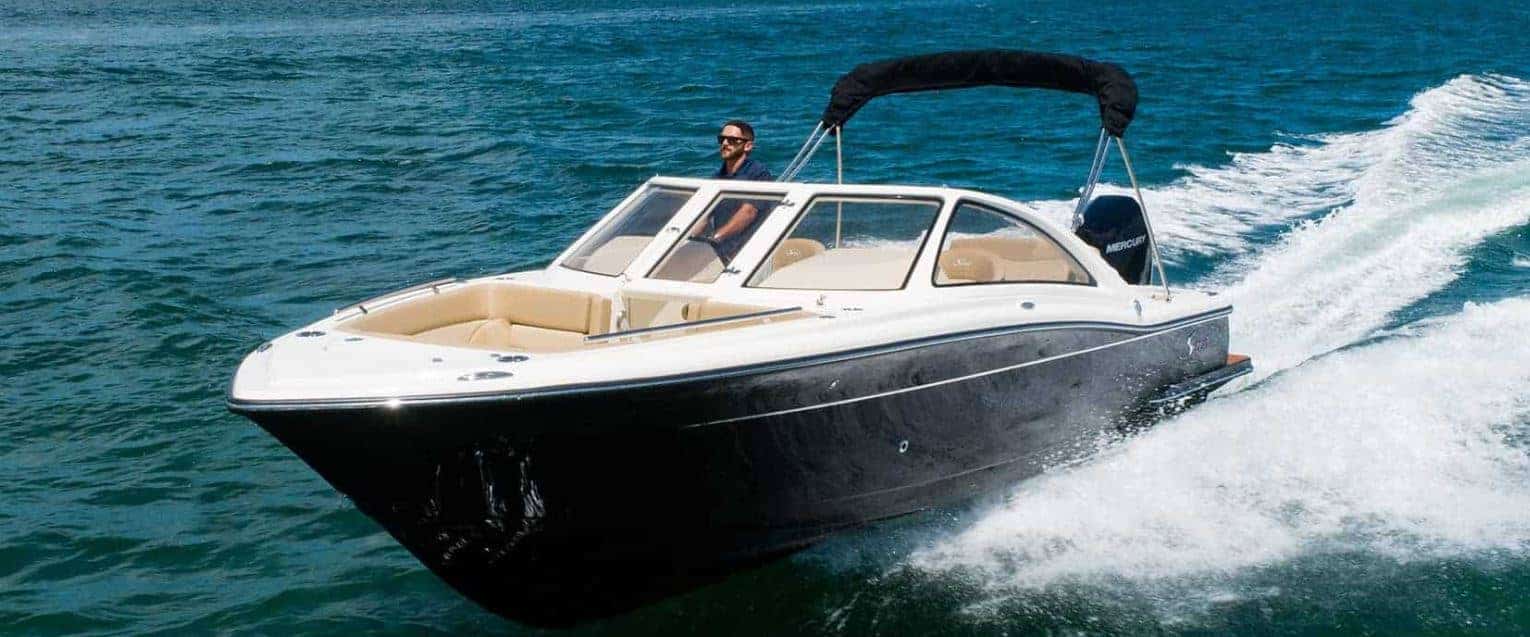

There’s a lot to consider when buying a boat. Perhaps the most important question is where and how you will use your vessel. Will you boat on rivers or bays? Maybe you live near lakes or the open ocean. Whatever the case, this is an essential topic, as you need to choose between a saltwater and a freshwater boat. Understanding the differences between these two crafts will help you make the right selection.
If you’d like to purchase a new craft, design one to fit your exact needs with our Build Your Scout tool. You can add features for fishing, watersports, entertainment, and more to best enjoy your boating experience!
Saltwater boats are specifically designed for dealing with corrosion, and they have a lot of features that help the vessel resist rust. This is important, as saltwater causes corrosion faster than freshwater. Closed cooling systems, for example, are used to cool the motor of a saltwater boat. These are different than the open systems that pull water into the motor, which are used on freshwater boats. If you were to pull saltwater into the motor, corrosion and salt buildup would occur.
This does not mean that saltwater boats are corrosion-proof—they still require regular cleaning and care, but they are better suited to withstand the harshness of saltwater.
There’s also a difference in hull design for freshwater and saltwater boats. It may be subtle, but an experienced eye can usually spot a saltwater boat with a quick glance. In essence, saltwater boats have a design that’s better for rougher and often deeper water.
On saltwater, the hull takes most of the force from choppy waves. Therefore, they are designed to withstand more abuse than most freshwater boats. In many cases, saltwater boats have a deep V that allows them to cut through the water quickly. This V adds ride stability, but it’s not good for most freshwater areas, such as shallow rivers and lakes.
Freshwater is often not as deep as saltwater, so freshwater boats don’t usually have or require the deep V hull. This ensures they don’t bottom out in shallow areas.
One of the most important differences between a saltwater boat and a freshwater boat is the mercathode system. This is a cathodic protection system that runs a small electrical current through the engine, including the engine block and outdrive components. This electrical current, while small, helps to slow galvanic corrosion on metal parts that are submerged in the water.
This technological innovation has saved countless saltwater motors from rapid corrosion, but it’s not required on freshwater boats, as the chance for corrosion is less severe in lakes and rivers.
We hope you now know the difference between saltwater and freshwater boats. No matter which option you choose, explore the lineup available from Scout Boats to find a top-quality vessel that you’ll enjoy for years to come. Then, use our Build Your Scout tool to add features for fishing, watersports, entertainment, and more!
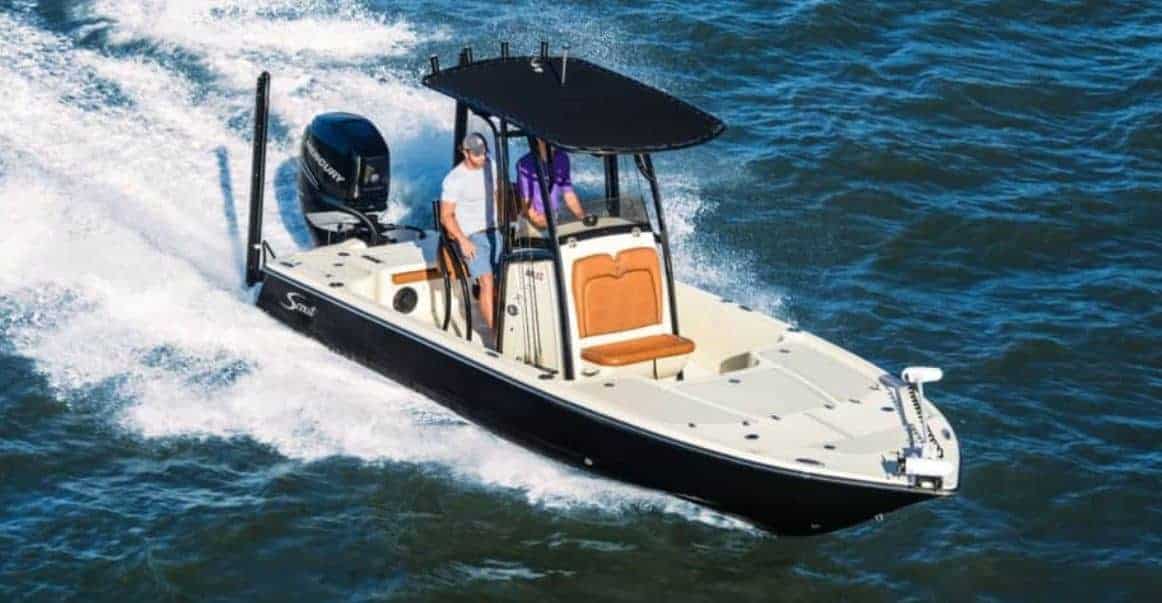
To have the best boating performance, you need to select the proper engine. By understanding four-stroke vs two-stroke, horsepower needs, and prop selection, you’ll be on the right track to picking the best option for your needs. Learn how to choose an outboard motor, below.
If you’d like to purchase a new craft, design one to fit your exact needs with our Build Your Scout tool. You can add features for fishing, watersports, entertainment, and more to best enjoy your boating experience!
One of the great debates in choosing an outboard motor is deciding between a two-stroke or four-stroke engine. Most people believe that four-strokes are better, but that’s not always the case.
A four-stroke burns straight gasoline within the cylinders and circulates oil through a separate system. Alternatively, two-stroke engines burn mixed oil and gas. Generally, four-strokes tend to be heavier, quieter, and more fuel-efficient. They are often believed to have greater longevity.
For most people, a four-stroke engine is a better choice. Unless you have a small, light boat, you’ll likely prefer a four-stroke engine.
When purchasing a motor, you’ll also need to decide on horsepower. Of course, most boaters want as much as possible, but high horsepower isn’t always the right choice. First, you’ll have to check the manufacturer’s limits for your craft, and you’ll also need to select the right boat-to-horsepower ratio. Generally speaking, the larger your boat, the more horsepower you will need for smooth performance.
Your preference for fuel efficiency should also be considered. However, just because a motor is more powerful, that doesn’t automatically mean it burns more gas. Find the ideal horsepower for both performance and efficiency.
You’ll also want to consider how you’ll be using the boat, as well as how many passengers you plan to carry. If you want to do skiing behind a heavier boat, for example, you’ll need more horsepower to quickly reach the ideal speed.
Another important choice for your boat is what propeller (prop) you need mounted to the engine. The condition of your prop is often more important than the specific type you select. Because of this, it’s important to replace it regularly. A damaged prop can destroy the engine by creating unnecessary resistance, so don’t neglect prop replacement.
Most people prefer stainless steel props. Stainless steel is five times stronger than aluminum. However, aluminum is cheaper and, because it’s softer, will help protect the lower unit. Essentially, if a strong stainless steel prop won’t break, the force will cause damage to the lower unit. But if the softer aluminum breaks, it saves the unit. This can make aluminum props more cost-effective for the overall expense of boat ownership.
Now that you know how to choose an outboard motor, purchase a new craft from Scout Boats! Use our Build Your Scout tool to customize your vessel with features for fishing, entertainment, sports, and more. Your dream boat is waiting!
When purchasing a yacht or having one built, buyers seek the perfect features and amenities for their specific needs. They look for one that’s the right size, has luxury features, and the perfect design. Although the boat itself often gets all the attention, the onboard staff of the yacht is also an important part of the experience. With a great staff, you can sit back and enjoy your trips on the water without stress. View these tips on how to staff a yacht for a wonderful on-boat experience!
If you’d like to purchase a new craft, design one to fit your exact needs with our Build Your Scout tool. You can add features for fishing, watersports, entertainment, and more to best enjoy your boating experience!

It might seem obvious, but pinpointing exactly what you need your staff for is important when making your selections. Do you want to enjoy white-glove service and high-end meals throughout your entire yacht trip? Or does your group enjoy fishing, swimming, and snorkeling, and would prefer sandwiches on a grab-and-go basis? Some staffs are great for formal service, while others are better at casual, adventure-focused yachting.
If you can find an excellent captain with a great reputation and years of experience, you’re far more likely to have an outstanding staff. The right captain knows how to find a staff that will fit your needs, so it’s wise to spend a large portion of your time researching the best captains.

While the captain is certainly the most important hire, the next most important is probably the head chef. This person will keep your group fueled throughout all of your yachting adventures. That’s why it’s important to choose a captain that understands how to create a culinary experience and add more enjoyment to your meals. A creative and capable chef can make or break your high seas adventure. They also should be able to match your dietary needs, be it gluten-free, vegan, kosher, low-calorie, or no sugar.
Whether you hire the captain and let him or her do the rest or hire each and every crew member yourself, it’s important that you discuss safety with everyone on the boat. All staff members should be trained and educated in proper safety procedures, and you should get the impression that everyone on board takes safety seriously. If you feel that safety is not emphasized, find a new staff for your boat.
We hope you now know how to staff a yacht for a wonderful on-boat experience! If you need to buy a luxury tender for your yacht, turn to Scout Boats. We offer a wide variety of luxuries and top-quality amenities so you can maintain your high-quality lifestyle even on your tender. Explore the possibilities for your new craft with our Build Your Scout tool today!
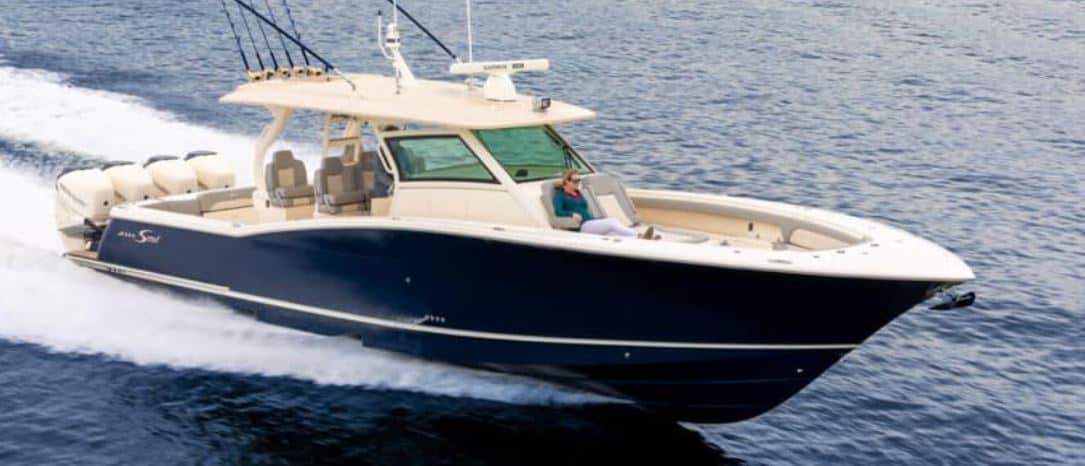
It might seem like a crazy, fantastic idea, but using your boat as a home is more common than you think. For many people, living on a boat in a marina is the best approach to this lifestyle. Keeping your craft docked in this area provides a variety of benefits!
If you’d like to purchase a new craft, design one to fit your exact needs with our Build Your Scout tool. You can add features for fishing, watersports, entertainment, and more to best enjoy your boating experience!
Here are some of the benefits of living on a boat in a marina:
When you’re docked in a marina, you’ll never have to worry about your boat floating away or ending up on rocks. It will be safely secured, giving you greater peace of mind. You’ll also have more comfort since the boat will be resting in a stable and still marina as opposed to rocking waves.
Living on a boat in a marina also provides access to amenities like power. You can run a microwave, dehumidifier, or electric heater and not have to worry about draining your battery. Having access to the marina’s power source creates greater convenience when you are at “home” on your boat.
Staying in a marina also provides access to neighbors, something you certainly won’t get living out on the water. You’ll walk past people every day and have more contact with your fellow boat owners.
Here are some of the drawbacks of living on a boat in a marina:
Finding a marina where you can live on your boat may be tough. Most marinas don’t allow “liveaboards,” and the ones that do have extremely long waitlists. It’s not uncommon to wait several years to gain access to a marina where you can live on your boat.
Living in a marina isn’t free! You’ll also have to pay rent. Paying for a slot in a marina is often expensive as it is. However, paying to live in a permanent location within the marina can make that price skyrocket even higher.
While it can be nice to neighbors, you’ll also have to deal with noise from other boaters. If you’re a private person, having your craft next to another boat may not be for you. Plus, marinas are often highly-trafficked areas, and boat engines can be quite noisy.
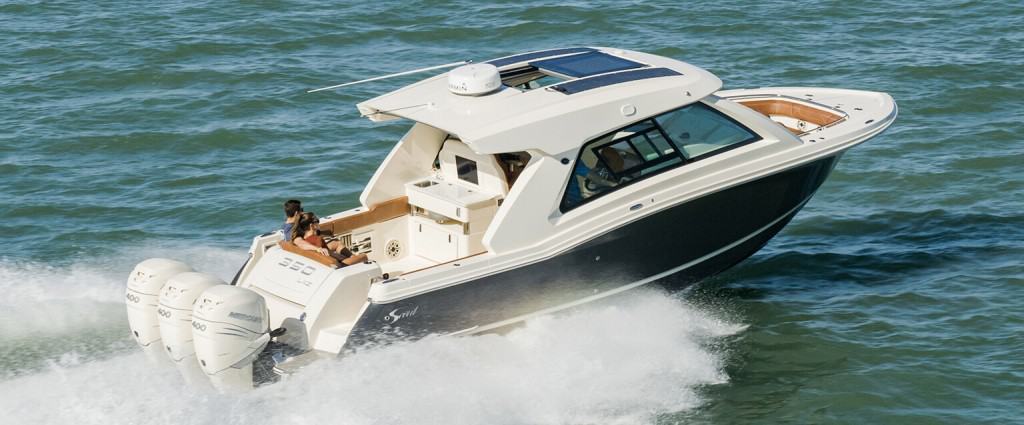
If you’re going to live on your boat, a marina is one of the best options. But you need to think carefully before making this step. Take the following points into consideration when making this decision:
If you’re going to live on a boat in a marina, make sure you have a quality vessel from Scout Boats. All of our boats are built to the highest quality, and they come loaded with luxuries and amenities that make boat living more enjoyable!
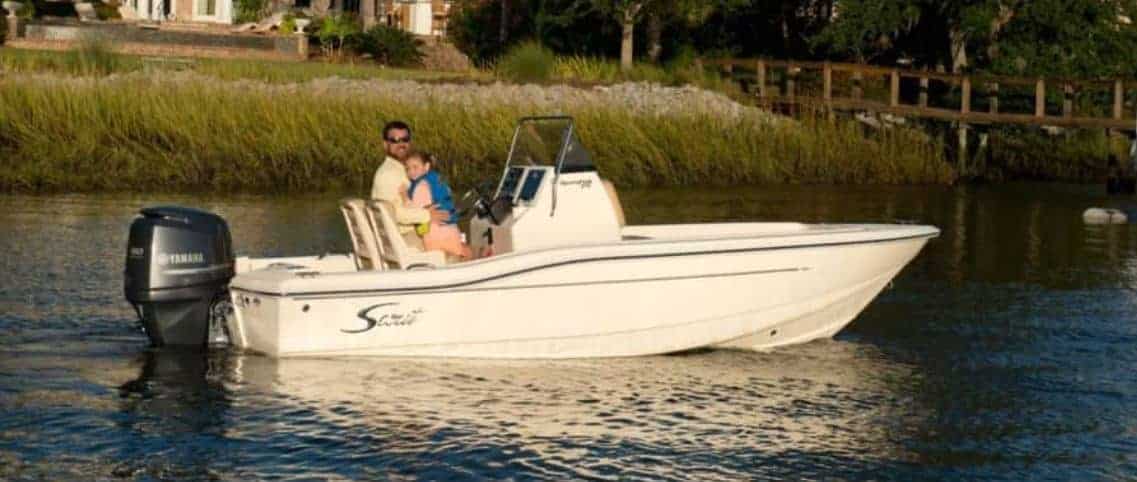
The weather is warming and spring is right around the corner. Across the country, countless boats are being pulled from winter storage and getting towed, hauled, and shipped to the water. You may be anxious to take your craft for a ride, but before you do, take some time to ensure your boat is prepared for your next excursion. Here, we’ll discuss how to get your boat ready for spring!
If you’d like to purchase a new craft, design one to fit your exact needs with our Build Your Scout tool. You can add features for fishing, watersports, entertainment, and more to best enjoy your boating experience!
Before doing anything else, give the hull a nice wash. Remove any dirt, dust, sand, or grime that may be attached to the exterior, and consider applying a coat of wax to the hull. This will not only make your hull look great, but it will help protect it through the upcoming spring, summer, and fall.
The interior is next. Take a vacuum cleaner and clean out the interior, then wipe down the seats and upholstery with a high-quality cleaning product. A product intended for marine use is best, as it will protect your seat covers from sun damage.
You don’t want to wait until you’re on the water to find out that the bilge pump isn’t working. Give it a test before leaving for the lake or sea. Simply pour some water into the bilge and turn the pump on to make sure it’s going strong.
Whether you detached the batteries for the winter or left them on the boat, you should now charge them so they’re ready for your first adventure. Make sure all batteries are functioning as needed and replace any that are weak.
Many boaters never think about the lights until they’re on the water and it starts to get dark. Take a moment to test the lights on all corners of the boat and replace any bulbs.
Take all of your safety gear out of storage and place it in the boat. Check everything for quality. If anything needs to be replaced, head to the store and purchase what you need.
It’s easy to let your boat registration lapse. Before going out on the water, make sure your boat is licensed. While you’re at it, check that insurance is up-to-date and paid.
Finally, don’t forget the drain plug. Every year, boaters launch their craft without the drain plug in place. Avoid this embarrassing mistake by finding the plug and putting it in place before heading to the water.
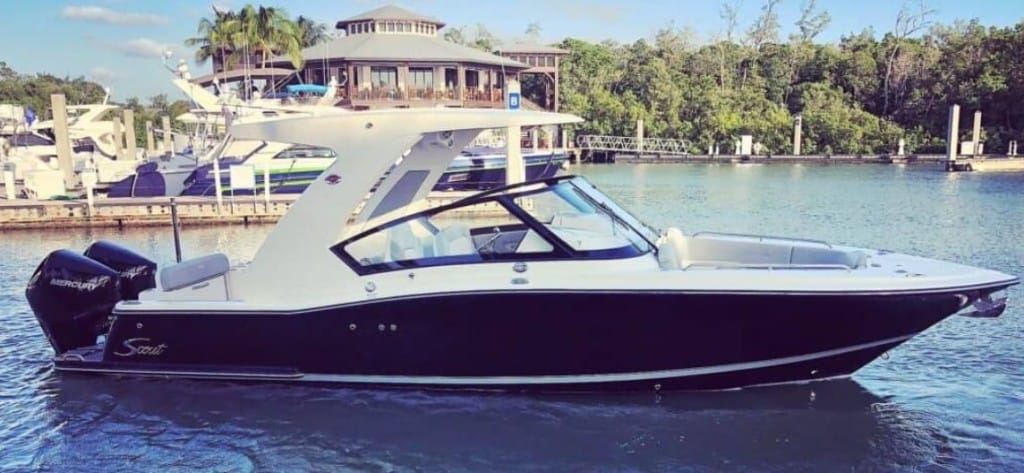
It’s important to know how to get your boat ready for spring. If you’re searching for a new craft, purchase a high-quality boat from Scout. We use the finest materials and expert craftsmanship to build exceptional vessels. With innovative hulls, high-quality designs, and a wealth of luxury features, Scout Boats will keep you happy for years to come!
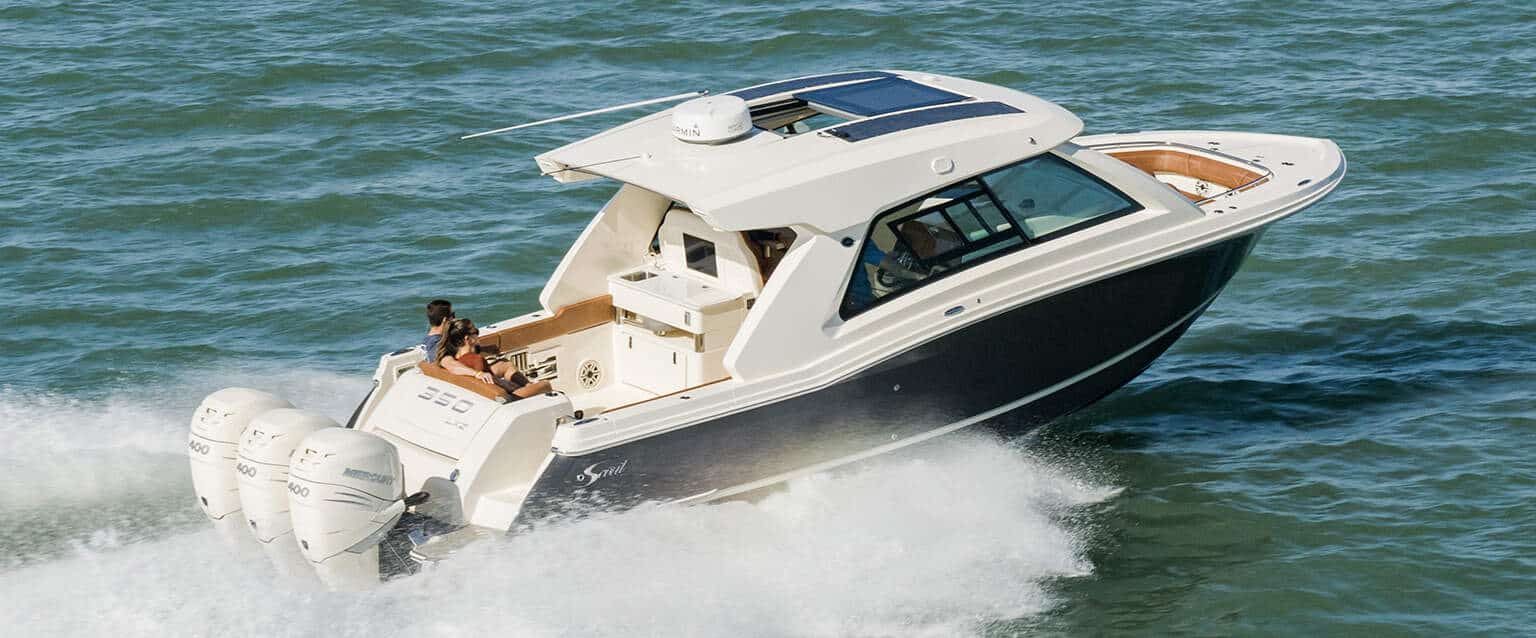
A boating emergency kit should be well-stocked with a variety of items. The following tools will help ensure you’re prepared for almost any situation. Read on to discover what to include in your boat emergency kit.
If you’d like to purchase a new craft, design one to fit your exact needs with our Build Your Scout tool. You can add features for fishing, watersports, entertainment, and more to best enjoy your boating experience!
A first aid kit should be one of the first items you get when preparing a boat for the season, as it’s very important for emergencies. If an injury occurs on the water, it’s essential that you deal with it quickly, and a first aid kit helps with this response. A good first aid kit will have bandages, gauze, sterile wipes, tweezers, and many other important medical items.
Even if you only boat during the day, a flashlight with the appropriate batteries is essential. If you happen to get stuck overnight, or if you need to inspect a dark corner of the boat, a flashlight will be extremely handy. Test the flashlight before placing it in the boat and have at least two battery exchanges.
Fires can occur on boats, and they’re possibly the most dangerous boating hazard possible. Boats carry many flammable liquids, so a fire extinguisher that is properly maintained could, quite literally, save your life. Make sure your fire extinguisher is up-to-date and not expired.
A radio device that can be used to call for help is crucial. You can either have a radio that’s attached to the boat or one that is handheld. Either way, be sure that you know how to use the device before going on the boat. Know what radio channel should be used for emergency communication and have the radio tested and serviced before the boating season.
You’ll want to keep a variety of tools on your boat so you can fix any small problems that may arise. Keep pliers, screwdrivers, channel locks, and a ratchet set on the boat so you can deal with mechanical problems.
When it comes to boating, you can never have too many ropes. Extra ropes can be used in emergencies, such as to tie to another boat that will pull you to shore. Keep an additional rope on hand so you never run out.
If you get stranded on the water, you’ll be thankful that you took the time to stash a small supply of food. Canned and dried items can be stored conveniently in your boat and they can help you get through a long stretch of waiting for help.
It’s important to know what to include in your boat emergency kit. If you want to have a safe and outstanding boating experience, a craft from Scout Boats can thoroughly enhance your time on the water. With refined features and advanced technology that are customizable using our Build Your Scout tool, you can create a craft that suits your exact needs.
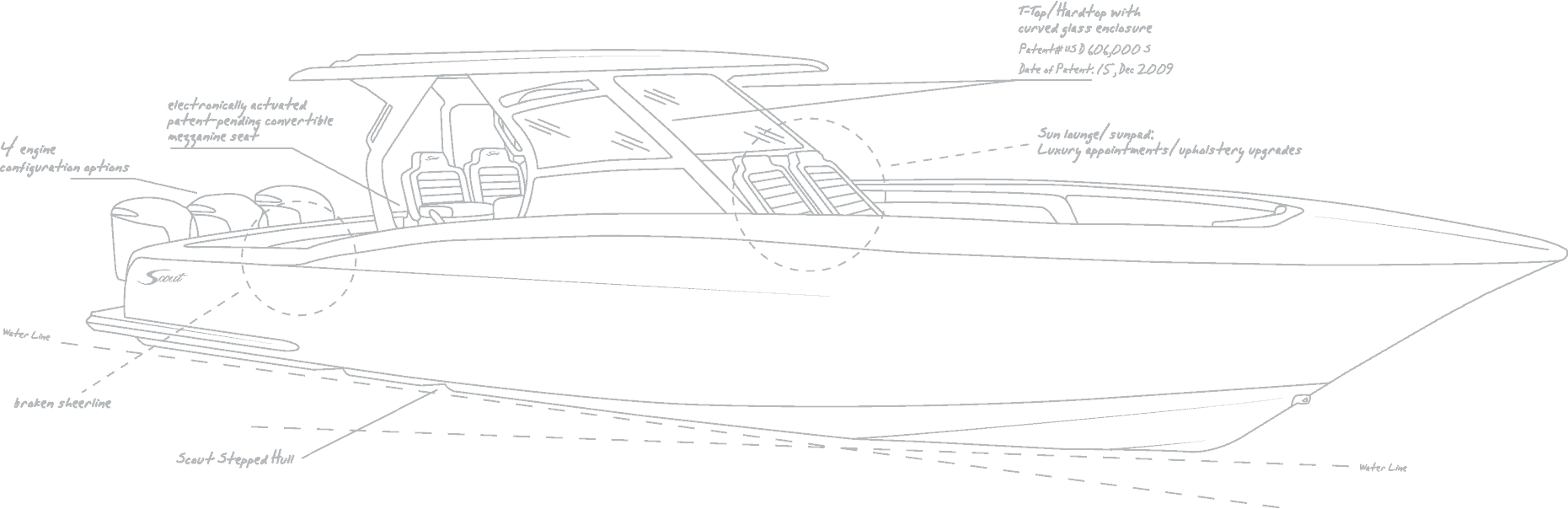
Click below to build your dream Scout model.