

Best Boating Spots in Maine

Maine is a playground for luxury boat enthusiasts, boasting a rocky coastline dotted with picturesque harbors, historic landmarks, and vibrant marine life. Whether you’re cruising on your yacht or setting sail on your motorboat, Maine offers the perfect mix of natural beauty and refined experiences. From charming seaside villages to serene bays, here are the top five boating spots in Maine that luxury boaters won’t want to miss.  

Bar Harbor  

Bar Harbor is the crown jewel of Maine’s boating scene. Nestled on Mount Desert Island, it offers breathtaking views of Acadia National Park and is a favorite destination for those seeking serenity and sophistication.  

  • Luxury Highlights: Dock at the Bar Harbor Marina and explore boutique shops, art galleries, and gourmet dining options. 
  • Activities to Enjoy: Head ashore for a Cadillac Mountain hike or indulge in a seafood feast featuring Maine lobster. You can even book a private sunset whale-watching cruise to elevate your adventure. 

A visit to Bar Harbor encapsulates the essence of luxury boating in Maine, blending exclusivity with natural wonder.  

Kennebunkport  

Known for its quaint charm and upscale appeal, Kennebunkport is another must-visit for yachting enthusiasts. This historic town is synonymous with luxury and relaxation.  

  • Luxury Highlights: Dock at Kennebunk River or Chicks Marina, and enjoy the town’s lavish inns, spas, and fine dining options. 
  • Activities to Enjoy: A scenic coastline cruise or a leisurely day at Goose Rocks Beach makes the perfect complement to your boating escapade. 

For an extra-special experience, explore the nearby Rachel Carson Wildlife Refuge via kayak or tender boat.  

Boothbay Harbor  

Boothbay Harbor is a yachting destination that seamlessly combines charm, history, and luxury. Known as the “Boating Capital of New England,” this harbor comes alive with activities tailored to boating enthusiasts.  

  • Luxury Highlights: Dock your vessel at one of the full-service marinas and enjoy waterfront dining at The Boathouse Bistro. You can even take part in yachting events like the annual Windjammer Days. 
  • Activities to Enjoy: Treat yourself to a sailing charter or explore the Coastal Maine Botanical Gardens for a tranquil retreat. 

Boothbay Harbor is truly a yachting paradise that offers a sophisticated taste of Maine’s coastal lifestyle.  

Casco Bay  

For those who enjoy serene waters and vibrant island hopping, Casco Bay is the ideal destination. This cluster of islands near Portland offers unique opportunities to explore, relax, and indulge.  

  • Luxury Highlights: Moor at the Portland Yacht Club or Diamond’s Edge Marina for upscale service and amenities. Enjoy local delicacies at waterfront bistros or recharge with a luxury spa treatment on shore. 
  • Activities to Enjoy: Explore Peaks Island or take in the pristine waters and vibrant marine life on a private charter. 

Casco Bay blends luxury with the spirit of adventure, making it an unforgettable yachting destination.  

Penobscot Bay  

Penobscot Bay is often considered the crown jewel of Maine yachting, offering stunning vistas and an authentic maritime experience. Known for its many secluded anchorages and timeless coastal towns, it’s tailor-made for luxury boaters.  

  • Luxury Highlights: Camden and Rockland boast gorgeous marinas where you can recharge after a day of boating. Savor fresh seafood or unwind with a private wine tasting at Cellardoor Winery in Lincolnville. 
  • Activities to Enjoy: Sail amongst the bay’s many islands or partake in one of the sailing races that give Penobscot Bay its reputation for adventure. 

From refined dining to thrilling exploration, Penobscot Bay promises something for every luxury boating enthusiast.  

Luxury Boating in Maine is Calling  

Maine’s coastline isn’t just a destination; it’s an experience curated for those who appreciate the finer things in life. Whether you’re savoring glistening waters in Bar Harbor or hopping between the islands of Casco Bay, these five destinations are perfect for anyone looking to take their Maine yachting adventure to the next level.

At Scout Boats, we’re here to help you get the most from every trip on the water. Need more boating tips or looking to upgrade your vessel? We’d love to hear from you. Explore our lineup of luxury boats and build your perfect companion for the seas.
Gear Essentials for Successful Saltwater Fishing

Saltwater fishing offers incredible adventures, whether you’re casting off a pier, venturing out on a boat, or simply standing on the shoreline. But to make your outing successful, you need the right gear. Whether you’re a novice angler or a seasoned pro, this guide will walk you through the essentials you’ll need before heading out to catch the big one in the saltwater. 

Choosing the Right Rod 

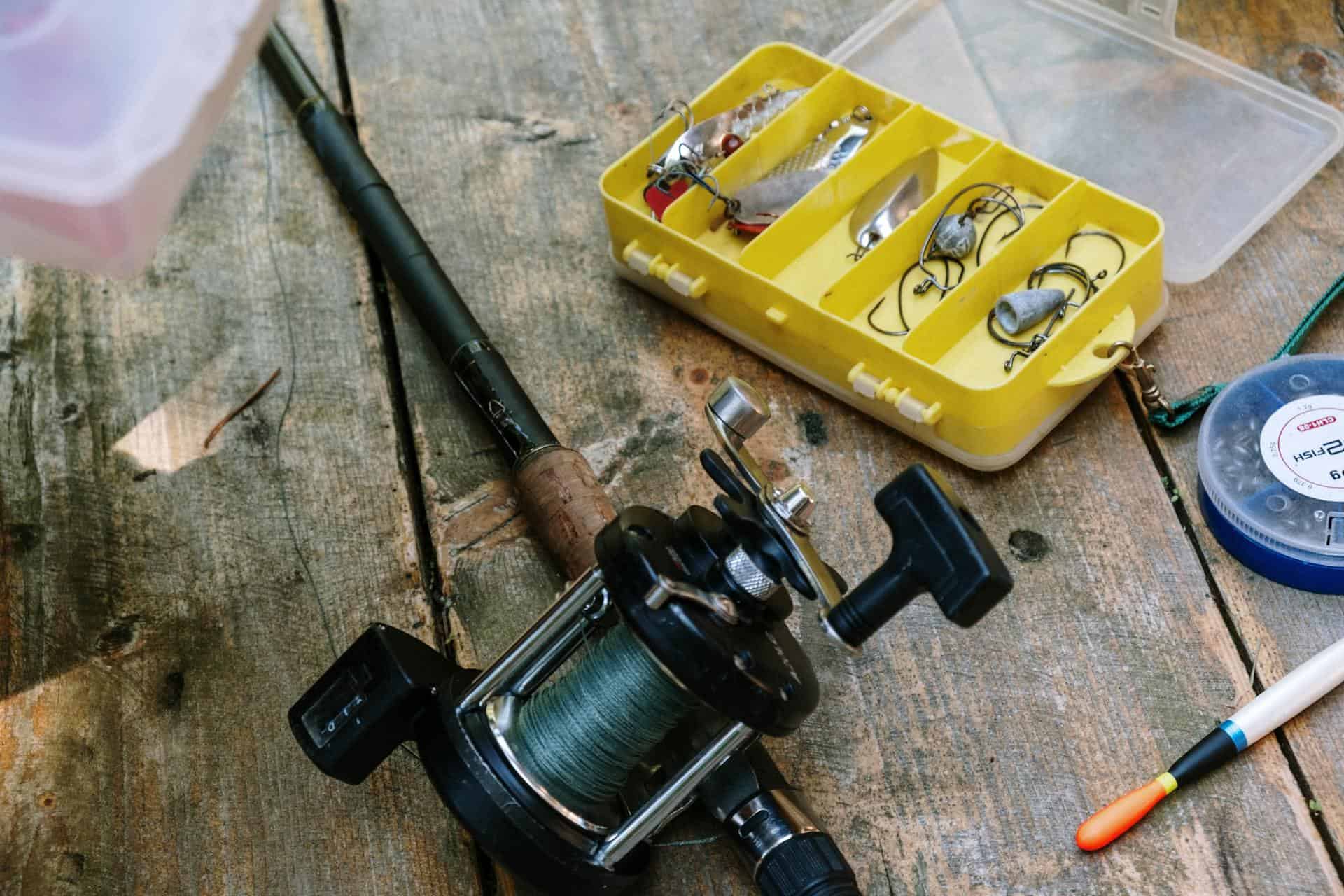
The fishing rod is the backbone of your setup. For saltwater fishing, you’ll need a rod that can handle larger, often stronger fish and the corrosive saltwater environment. 

  • Material: Look for rods made from fiberglass or graphite, as these materials are durable and resistant to harsh conditions. 
  • Length: A longer rod (7–9 feet) provides better casting distance, while shorter rods offer more control when reeling in heavy fish. 
  • Power and Action: Choose the right rod power (light to heavy) and action (how much the rod flexes) based on the type and size of fish you’re targeting. For bigger species like tuna or snapper, a heavy-action rod is recommended. 

Pro Tip: Always rinse your rod with fresh water after use to prevent salt buildup and corrosion. 

Selecting the Right Reel 

A quality reel makes all the difference in saltwater fishing. Your reel needs to be durable and equipped to handle the challenges of saltwater and strong fish pulls. 

  • Spinning Reels: These are versatile and user-friendly for a variety of saltwater fish. They’re great for beginners and offer smooth casting. 
  • Baitcasting Reels: Perfect for experienced anglers targeting larger fish, as they provide more control and power. 
  • Corrosion Resistance: Look for reels with sealed bearings and anodized or corrosion-resistant components to withstand saltwater. 

Don’t forget to pair your reel with a rod that can accommodate its size and capacity. 

Bait and Lures 

The right bait can make or break your fishing experience. Understanding the types of bait and lures is key to attracting saltwater species. 

  • Live Bait: Options like shrimp, squid, and small baitfish are excellent for enticing many saltwater fish species.
  • Artificial Lures: 
    • Jigs work well for vertical fishing or targeting bottom-dwelling species. 
    • Poppers create surface disturbances that attract predatory fish. 
    • Soft Plastics imitate baitfish, making them versatile for various species. 

Match your bait or lure to the type of fish you want to catch and the environment where you’re fishing (open water, reefs, etc.). 

The All-Important Tackle Box 

A well-stocked tackle box is a saltwater angler’s treasure chest. Here’s what it should include: 

  • Hooks of different sizes (circle, J-hooks, etc.) 
  • Sinkers and Weights to keep your bait in the strike zone 
  • Leaders to prevent line fray caused by fish with sharp teeth 
  • Swivels to reduce line twisting 

Organize your tackle box for easy access, separating items into compartments by type or size. 

Essential Tools Every Saltwater Angler Needs 

Fishing requires more than just rods and reels. Having the right tools ensures both a safe and enjoyable experience: 

  • Pliers for removing hooks and cutting lines 
  • Fishing Knife for cutting bait or cleaning fish 
  • Fish Gripper to safely handle your catch 
  • Line Clippers or scissors for easy line management 
  • Measuring Tape to check whether your catch meets local size regulations 

Bonus Tip: Invest in stainless steel or corrosion-resistant tools to ensure longevity. 

Protecting and Preparing Yourself 

Having the right gear isn’t just about catching fish; it’s also about keeping yourself equipped and protected. 

  • Waterproof clothing or waders to stay dry 
  • Polarized sunglasses to reduce glare and spot fish in the water 
  • Sunscreen and a wide-brimmed hat to protect against UV rays 
  • A sturdy pair of waterproof boots with good grip 
  • First aid kit for minor cuts and injuries 

Final Thoughts 

Saltwater fishing is an exciting and rewarding adventure, but preparation is the key to success. By outfitting yourself with the right gear—from rods and reels to tackle and tools—you’ll be well-equipped to handle whatever the tides bring your way. 

At Scout Boats, we’re here to help you get the most from every trip on the water. Need more boating tips or looking to upgrade your vessel? We’d love to hear from you. Explore our lineup of luxury boats and build your perfect companion for the seas.
Tips to Keep Your Boat Engine Running Smoothly

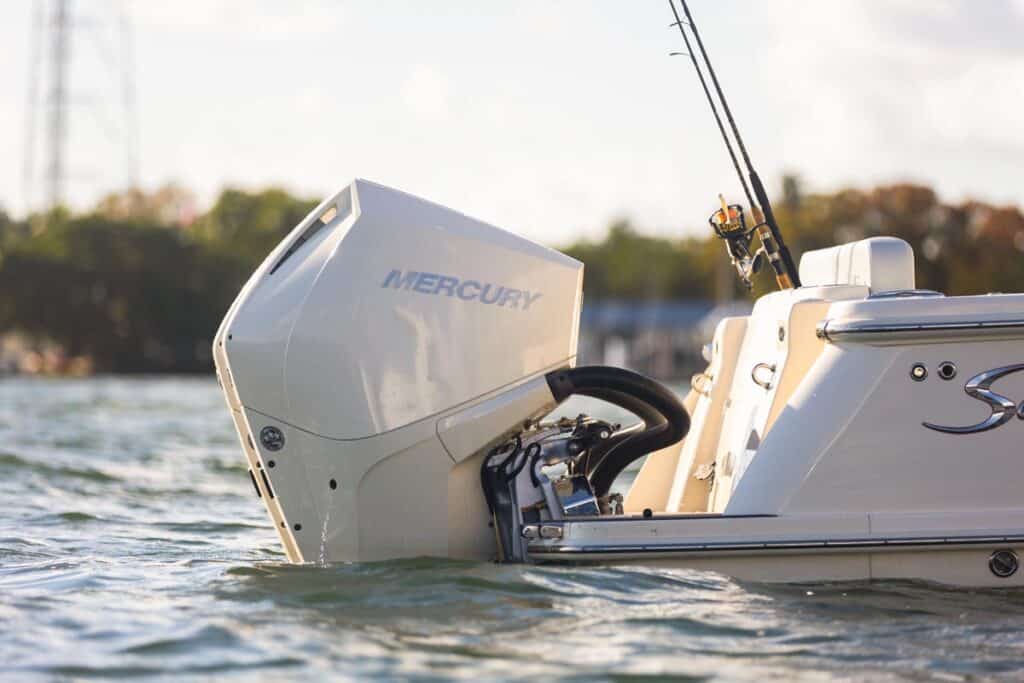
A well-maintained boat engine is critical for a safe and enjoyable time on the water. Whether you’re cruising with an outboard motor or navigating with a diesel-powered boat, taking care of your engine keeps it running efficiently and prevents costly repairs in the long term. This guide walks you through key maintenance practices, common issues, and actionable tips to ensure your boat’s engine operates smoothly.  

Maintenance Steps for Smooth Engine Performance  

  1. Regularly Check and Change Engine Oil and Filters 

Changing the oil and oil filters is crucial to avoid buildup of sludge, dirt, and debris that can affect engine performance. Follow these steps: 

  • Check oil levels before every trip using the dipstick. 
  • Replace oil based on the manufacturer’s recommendations (typically every 100 hours of operation or annually). 
  • Always use high-quality marine-grade oil. 
  1. Inspect and Maintain the Cooling System 

The cooling system prevents overheating, a common cause of engine failure. Here’s what to do: 

  • Check coolant levels regularly and top off as needed. Use the coolant recommended by your engine’s manufacturer. 
  • Flush the cooling system periodically to remove salt, dirt, and mineral deposits. 
  • Inspect the water pump impeller annually and replace it if worn or damaged. 
  1. Check and Clean Fuel Filters 

Clean fuel equals a healthy engine. Here’s how to keep the fuel system in good shape: 

  • Replace fuel filters regularly to prevent clogging. 
  • Inspect for any signs of contamination, such as water or debris, in the fuel tank. 
  • Consider using a fuel stabilizer if the boat will be inactive for extended periods. 
  1. Maintain the Electrical System and Batteries 

A functional electrical system is essential for starting your boat and running accessories. Ensure the following: 

  • Inspect battery terminals for corrosion and clean them as needed. 
  • Check battery voltage and ensure it’s charged properly before heading out. 
  • Test electrical connections to ensure they’re secure and free of damage. 
  1. Inspect and Replace Belts and Hoses 

Worn-out belts and hoses can fail unexpectedly and leave you stranded. Here’s how to prevent this: 

  • Check belts for cracks, fraying, or excessive wear and replace if necessary. 
  • Inspect all hoses for leaks, bulges, or signs of weakness. 
  • Tighten loose belts to ensure proper tension and functioning. 
  • Protect the Engine from Corrosion 

Boaters in saltwater environments must take extra measures to fight engine corrosion. Here’s what to do: 

  • Rinse the engine with fresh water after every use to remove salt and debris. 
  • Apply a corrosion inhibitor to metal parts, especially in exposed areas. 
  • Use sacrificial anodes and replace them when they show significant wear. 
  1. Winterize the Engine for Cold Climates 

If you’re storing your boat during the off-season, proper winterization is essential: 

  • Flush and drain the cooling system to prevent freezing. 
  • Add antifreeze to the engine block and cooling lines. 
  • Fog the engine with oil to protect internal components from rust. 

Common Boat Engine Issues and How to Address Them  

Overheating  

  • Cause: Clogged water intake, faulty impeller, or insufficient coolant levels. 
  • Solution: Check the cooling system, clean intakes, replace the impeller, and refill coolant as needed. 

Fuel Contamination  

  • Cause: Water, debris, or algae in the fuel tank. 
  • Solution: Replace the fuel filters, clean the fuel tank, and use a fuel stabilizer to prevent future contamination. 

Corrosion  

  • Cause: Saltwater exposure and lack of corrosion protection. 
  • Solution: Rinse with fresh water after every outing and apply a marine-grade corrosion inhibitor. 

Battery Problems  

  • Cause: Poor charging habits, corroded terminals, or old batteries. 
  • Solution: Test and maintain battery charge regularly and clean corroded terminals with a mixture of baking soda and water. 

Worn Impeller  

  • Cause: Extended use without replacement leads to reduced water flow. 
  • Solution: Replace impellers annually or as soon as you notice performance issues. 

Propeller Damage  

  • Cause: Striking underwater objects or excessive wear. 
  • Solution: Inspect the propeller for dents or cracks, and replace or repair it if needed. 

Oil Leaks  

  • Cause: Faulty seals or gaskets in the engine. 
  • Solution: Identify the leak’s source and replace the damaged seals promptly. 

Pro Tips for Smooth Engine Performance  

  • Keep a log of maintenance tasks and engine hours to stay on schedule. 
  • Always carry a toolkit and spare parts like belts, filters, and propellers on the boat. 
  • Follow your engine manufacturer’s maintenance manual for specific guidelines. 
  • Before heading out, perform a quick pre-trip engine check (oil, fuel, and cooling systems). 

Keep Your Boat Engine Running Like a Dream  

Maintaining your boat engine might seem like a daunting task, but with the right routine, your investment in your boat’s engine will pay off for years to come. Whether you’re cruising with an outboard motor or relying on a powerful diesel engine, the key is consistent care and timely attention to potential issues.

At Scout Boats, we’re here to help you get the most from every trip on the water. Need more boating tips or looking to upgrade your vessel? We’d love to hear from you. Explore our lineup of luxury boats and build your perfect companion for the seas.
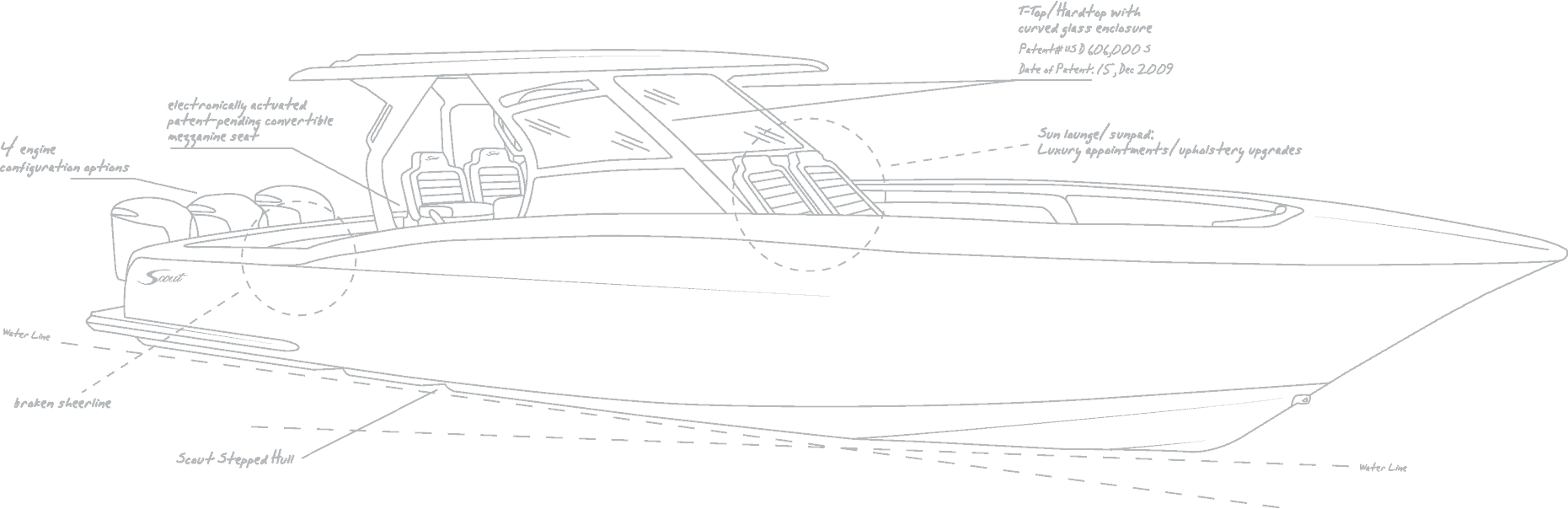
530 LXF Scout Line Drawing

Build Your Scout

Click below to build your dream Scout model.