
Best Boating Spots in Rhode Island

With over 400 miles of coastline and countless waterways, Rhode Island is a paradise for boating enthusiasts. Known as the Ocean State for a reason, Rhode Island offers breathtaking views, calm waters, and a vibrant boating community. Whether you’re a seasoned boater or just discovering the joys of life on the water, the state is filled with must-visit locations that cater to all tastes and experiences.  

Here are five of the best boating spots in Rhode Island that you should add to your list.  

Newport Harbor  

Newport Harbor, often referred to as the sailing capital of the world, is a can’t-miss destination for boaters in Rhode Island. This vibrant harbor is a hub for both recreational and luxury boating, offering stunning views of historic mansions, charming coastal architecture, and bustling marina life.  

What to Do:  

  • Cruise along the harbor and take in iconic sights like the Newport Bridge and Fort Adams.  
  • Dock at one of the marinas and explore Newport’s famous restaurants, boutiques, and historic sites on land.  
  • Anchor near Goat Island for a relaxed afternoon on the water.  

Perfect for those who enjoy a mix of natural beauty and luxury, Newport Harbor epitomizes the best of Rhode Island boating.  

Block Island  

If you’re looking for a boat trip that feels like a getaway, Block Island is the destination for you. Located 12 miles off the southern coast of Rhode Island, this serene island is accessible only by boat or ferry, making it a favorite escape for local boaters.  

What to Do:  

  • Dock at New Harbor or Old Harbor, and venture into town to explore beaches, lighthouses, and local shops.  
  • Spend the day cruising around the island’s picturesque coastline, dotted with bluffs and beaches.  
  • Pack your snorkeling gear to explore the clear, calm waters at various swimming spots around the island.  

Block Island is ideal for boaters who want to unwind and experience Rhode Island’s natural beauty in a peaceful setting.  

Narragansett Bay  

Narragansett Bay is the heart of Rhode Island boating and a playground for water activities. With its expansive waters, the bay offers something for everyone—from fishing and speed boating to sailing and kayaking.  

What to Do:  

  • Plan a full day exploring the bay’s numerous inlets and coves.  
  • Drop anchor near Jamestown or Prudence Island and enjoy a quiet onboard picnic.  
  • Fish for striped bass, bluefish, or fluke, as the bay is known for its productive fishing spots.  

With plenty of marinas and easy access to nearby towns, Narragansett Bay offers unmatched versatility and is a favorite for Rhode Island boaters.  

Watch Hill  

Situated on the southwestern coastline of Rhode Island, Watch Hill combines scenic charm with a luxury feel. Known for its pristine beaches, calm waters, and incredible sunsets, this location is a favorite among those seeking a peaceful outing.  

What to Do:  

  • Cruise near Napatree Point Beach for relaxing swimming spots and unbeatable views of the shoreline.  
  • Dock at Watch Hill Marina, then stroll into town for boutique shopping and fine dining.  
  • Catch the sunset from your boat for a picture-perfect end to the day.  

Watch Hill is a gem that perfectly suits boaters who appreciate elegance and tranquility.  

Charlestown’s Salt Ponds  

For a more off-the-beaten-path experience, head to Charlestown’s salt ponds. These quiet and protected areas provide an ideal haven for nature lovers and those looking for a more relaxed atmosphere.  

What to Do:  

  • Explore the shallow waters of Ninigret Pond or Quonochontaug Pond by boat or kayak to see a unique coastal ecosystem up close.  
  • Birdwatch or fish in these biodiverse waters, which are home to a variety of marine life.  
  • Spend a day floating peacefully while surrounded by stunning coastal landscapes.  

Charlestown’s salt ponds are perfect for boaters seeking a quiet retreat steeped in coastal charm.  

Plan Your Next Adventure with a Scout Boat  

No matter which of these Rhode Island boating destinations you choose to visit, having the right boat will make the experience even more memorable. Scout Boats offers a luxury lineup that’s crafted for performance, comfort, and exploration. Designed with meticulous attention to detail, Scout Boats are perfect for navigating the diverse waters of Rhode Island—from open bays to tranquil coves.  

Explore Scout Boats today to find the ideal vessel for your next adventure on the water. Whether you’re cruising through Newport Harbor, fishing in Narragansett Bay, or relaxing by the salt ponds of Charlestown, a Scout Boat is your trusted companion for luxury and performance.  

Learn more about Scout Boats here and elevate your boating experience! 
What to Look for When Choosing a Life Jacket

When it comes to boating or participating in water sports, safety should always be a top priority. A life jacket, also known as a personal flotation device (PFD), isn’t just another piece of gear—it’s a lifesaving tool that ensures you’re protected while enjoying time on the water. Just like you’d invest in finding the perfect luxury boat, such as those from Scout Boats, selecting the right life jacket requires thoughtful consideration.  

If you’re wondering how to choose the perfect life jacket, we’ve got you covered. This blog will walk you through the key features to focus on, ensuring your safety without sacrificing comfort or functionality.  

Adequate Buoyancy  

The primary function of a life jacket is to keep you afloat, so buoyancy is a critical factor to consider. Buoyancy refers to the amount of lift a life jacket provides to keep your head above water. Ensure the jacket you choose is rated for your weight and the specific water sports or activities you’ll be undertaking. For instance, standard boating may require a different buoyancy level compared to high-energy activities like jet skiing or wakeboarding. Check the manufacturer’s label to confirm the buoyancy rating matches your needs.  

Proper Fit  

A well-fitting life jacket can make all the difference in an emergency. Life jackets should feel snug but not restrict your movement. If it’s too loose, it might not provide adequate safety; if it’s too tight, it could be uncomfortable and limit your mobility.  

To ensure the right fit: 

  • Try on the jacket and fasten all straps. 
  • Move your arms around to test mobility. 
  • When pulled upward by the shoulders, the jacket shouldn’t slip over your chin or ears.  

Don’t forget to consider life jackets specially designed for children or pets if you’re boating with the whole family.  

Types of Life Jacket  

Life jackets come in different types, designed for specific water activities and conditions. Being familiar with the categories can help you make the best choice: 

  • Type I (Offshore Life Jackets): Designed for rough waters, these provide the most buoyancy and will turn most unconscious wearers face-up in the water. 
  • Type II (Near-Shore Vests): Ideal for calmer waters and quick rescues, though less buoyant than Type I. 
  • Type III (Flotation Aids): A popular choice for recreational boating and water sports, offering comfort and freedom of movement. 
  • Type IV (Throwable Devices): These are not wearable but can be thrown to someone in distress, like rings or cushions. 
  • Type V (Specialized Life Jackets): Used for specific activities like kayaking or whitewater rafting, these must be worn at all times to be effective.  

Always be sure to choose a life jacket type based on the activity you’ll be doing and the water environments you’ll encounter.  

Certification and Safety Standards  

Always opt for a life jacket that meets recognized safety standards. Look for certifications from organizations like the U.S. Coast Guard (USCG) or the International Organization for Standardization (ISO). These certifications ensure that the device has undergone rigorous testing for reliability and performance.  

A certified life jacket not only provides peace of mind but also ensures compliance with boating safety regulations.  

Visibility  

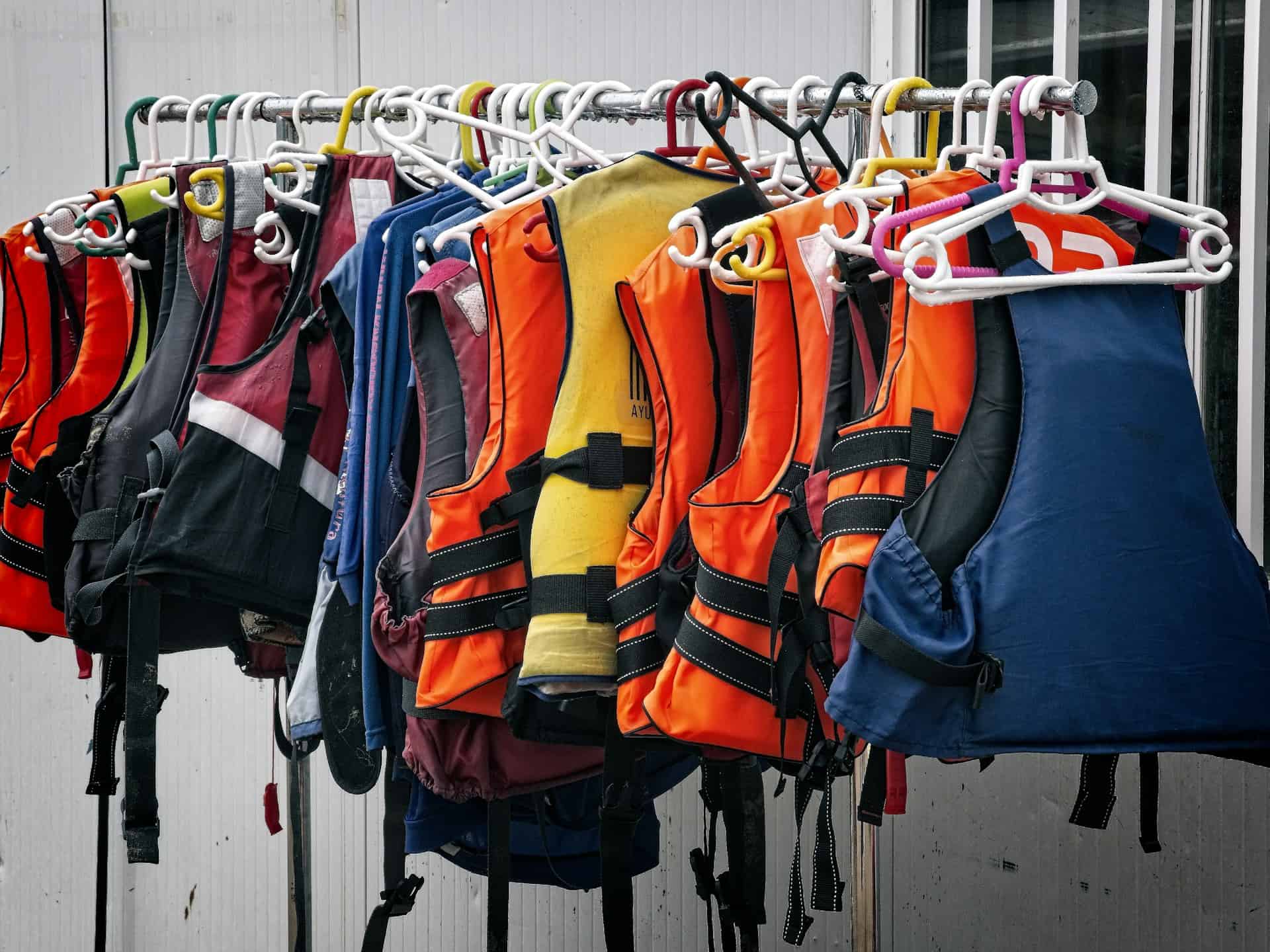
If you find yourself in a rescue situation, visibility can be a lifesaver. Brightly colored life jackets in shades like neon orange, yellow, or red make it easier for rescuers to spot you in the water.  

For added safety, look for jackets with reflective strips. These are particularly useful in low-light conditions, as they catch and reflect light from searchlights or the sun.  

Durability  

Boating can be tough on gear, so your life jacket needs to withstand wear and tear. High-quality materials like nylon or neoprene offer excellent durability. Ensure the buckles, straps, and stitching are robust and can handle extended use in marine conditions.  

Pay attention to whether the life jacket is suitable for exposure to saltwater, as salt can degrade materials over time. Rinsing your jacket after use can also help maintain its longevity.  

Comfort  

Comfort plays a significant role, especially if you’ll be wearing the life jacket for long periods during your boating adventures. Look for features like: 

  • Adjustable straps to customize the fit. 
  • Breathable materials that reduce heat buildup. 
  • Lightweight designs that don’t feel bulky.  

Comfortable life jackets allow you to enjoy your time out on the water without feeling restricted or overheated.  

Enjoy the Journey with Confidence  

Choosing the right life jacket is about more than just ticking safety boxes; it’s about ensuring that every moment on the water is as safe and enjoyable as possible. By focusing on the key features outlined above, you’ll find a life jacket that’s perfectly suited to your needs, whether you’re cruising aboard your Scout Boat, towing water skiers, or simply soaking in the beauty of the water.  

Not all boating experiences are created equal, and at Scout Boats, we believe in helping you create the best. From ergonomic designs to luxurious finishes, our boats are crafted to provide you with the ultimate on-water experience.  

Set Sail Safely Today!  

Want to elevate your boating adventures even further? Explore our premium lineup of luxury boats designed for families, adventurers, and everyone in between. Click here to find your dream boat and start making unforgettable memories on the water.

How to Prepare for the First Boat Launch of the Season

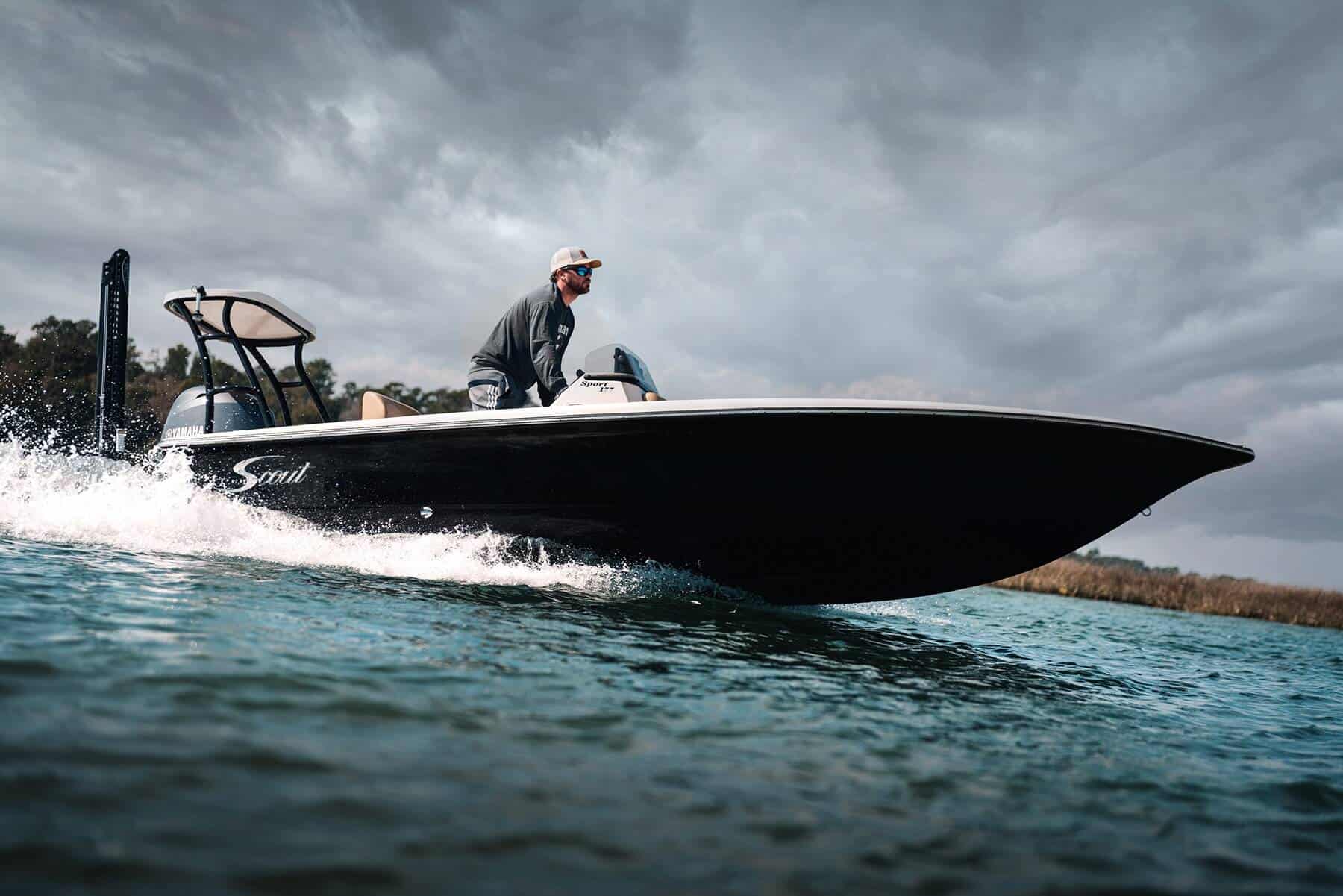
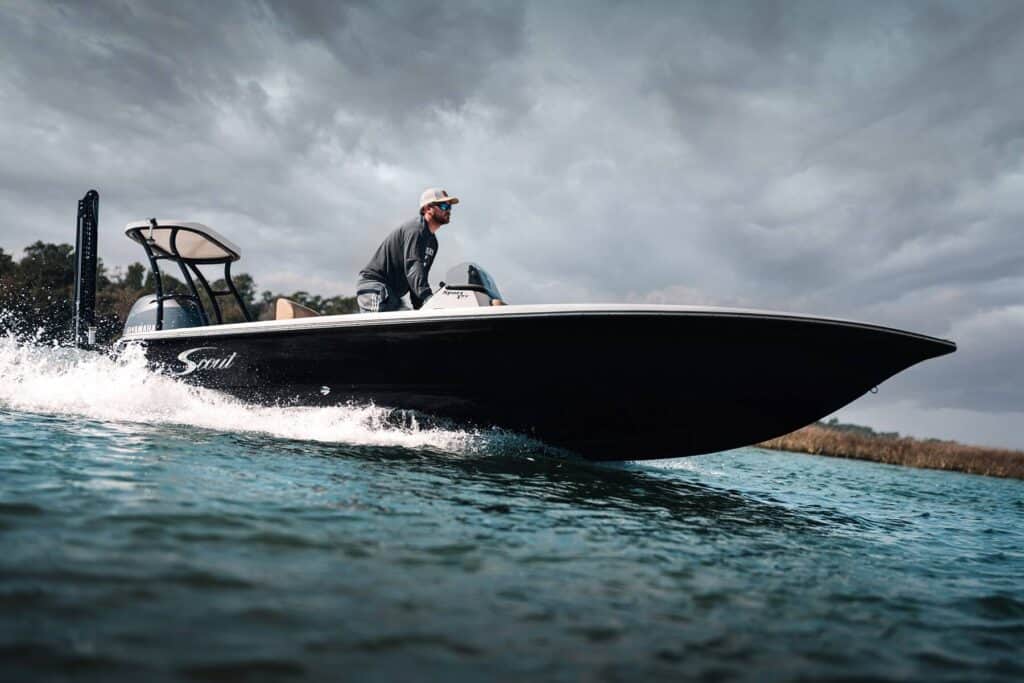
177 Running

177 Running

For boating enthusiasts, few things feel as exciting as prepping your vessel for its first launch of the season. Your boat, a symbol of freedom and adventure, has been waiting patiently during the off-season for its debut. But before you head to the dock, there are several steps you should take to ensure a smooth, safe, and enjoyable experience. With the right preparation, you can reduce stress, protect your boat, and keep everyone safe on the water.  

Here’s everything you need to know about how to prepare for the first boat launch of the season.  

Why Pre-Season Preparation Matters  

Your boat’s off-season downtime makes it particularly important to pay attention to maintenance before your first launch. The harsh effects of storage, environmental exposure, or even leftover wear and tear from last season can affect its condition. Early preparation also provides peace of mind, knowing you’ve followed a comprehensive checklist that keeps you, your passengers, and your prized vessel safe.  

Don’t rush into launch day unprepared. Taking the time to go through an inspection, safety checks, and general prep ensures you’ll be ready to enjoy your time on the water without unwelcome surprises.  

Step 1: Perform a Thorough Boat Inspection  

A pre-season inspection is your first line of defense against unexpected issues once you’re on the water. Here’s a breakdown to make sure nothing’s overlooked.  

Check for Exterior Damage  

Walk around your boat and inspect the hull for any cracks, chips, or signs of wear that may have developed over the winter. Pay attention to areas around joints and the lower unit, as these spots are more susceptible to damage.  

Test Mechanical Systems  

Start by inspecting the engine for signs of corrosion, leaks, or damage. Replace the oil and filters if you didn’t do so before storing your boat last season. Ensure your battery is fully charged and test it for voltage. Check the fuel lines for cracks or brittleness, and make sure the tank contains fresh fuel mixed with stabilizer.  

Inspect the Propeller and Hardware  

Remove your propeller and check for any nicks, bends, or other signs of damage. Debris from previous outings may still be wedged, so clean it out if necessary. Inspect fittings, screws, and other hardware to ensure they’re tight and secure. 

Confirm Electrical Systems Are Operational  

Turn on navigation lights, bilge pumps, and other electrical equipment to verify they’re functional. Replace fuses or bulbs as needed. 

Step 2: Review Safety Equipment  

Boating safety is non-negotiable for all owners, and preparing your gear ahead of time could even save lives. Use this quick checklist to make sure everything is in order.  

  • Life Jackets: Inspect for tears, mold, or degradation. Ensure you have enough U.S. Coast Guard-approved life jackets, and that they’re the correct sizes for all passengers.  
  • Fire Extinguisher: Verify that your fire extinguisher is fully charged, accessible, and compliant with local regulations.  
  • Flares and Visual Signals: Check expiration dates and replenish your stock if necessary. 
  • First Aid Kit: Review your first aid kit to confirm that it’s properly stocked and all items are unexpired.  
  • Emergency Signaling Devices: Test your air horn or whistle to make sure it’s in working condition.  
  • Throwable Flotation Device: Confirm your throwable flotation device is in good condition and meets legal requirements.  
  • Anchor and Line: Make sure your anchor is properly stowed, complete with a durable and secure rope or chain.  

With these essentials ready to go, you can enjoy greater peace of mind while venturing out on open water.  

Step 3: Understand Local Regulations and Waterway Conditions  

Laws regarding boats can vary depending on where you are, and waterway conditions change over time. It’s crucial to familiarize yourself with local requirements and navigation patterns before heading out.  

  • Registration and Documentation: Confirm that your boat registration and other required documents are valid and up to date. Keep them easily accessible onboard.  
  • Navigation Rules: Review local rules for navigation and no-wake zones. Pay attention to seasonal restrictions, like boating limits near wildlife areas.  
  • Check Water Conditions: Research reports on water levels, floating debris, and weather forecasts to help plan your trip safely.  

By staying informed, you keep yourself compliant with regulations and ensure a more predictable on-water experience.  

Step 4: Plan for a Smooth Launch  

When the big day arrives, preparation is your secret to a stress-free boat launch. Follow these tips to make everything seamless and fun.  

  • Conduct one final walk-around of your trailer and boat before heading to the ramp, double-checking for loose items or detached fittings.  
  • Securely hitch your trailer to your vehicle and ensure the lights are functioning properly.  
  • At the ramp, take your time and be patient if it’s busy. A little planning goes a long way in reducing launch-day stress.  

If you’re unfamiliar with the launch process, consider practicing ahead of time during a non-peak period.  

Step 5: Enjoy the First Boating Trip of the Season  

The entire goal of all your preparation is to enjoy a relaxing day on the water. Once your boat is in the water and fully operational, take some time to familiarize yourself with its performance. Run through basic maneuvers to confirm its responsiveness, and ensure your passengers are comfortable.  

Now, all that’s left to do is bask in the joy of the boating lifestyle. 

Set Sail with Confidence  

By following this guide, you can confidently prepare for your first boat launch of the season. From vital inspections and safety checks to understanding regulations, you’ll lay the groundwork for a smooth boating experience.  

At Scout Boats, we’re here to help you get the most from every trip on the water. Need more boating tips or looking to upgrade your vessel? We’d love to hear from you. Explore our lineup of luxury boats and build your perfect companion for the seas.  

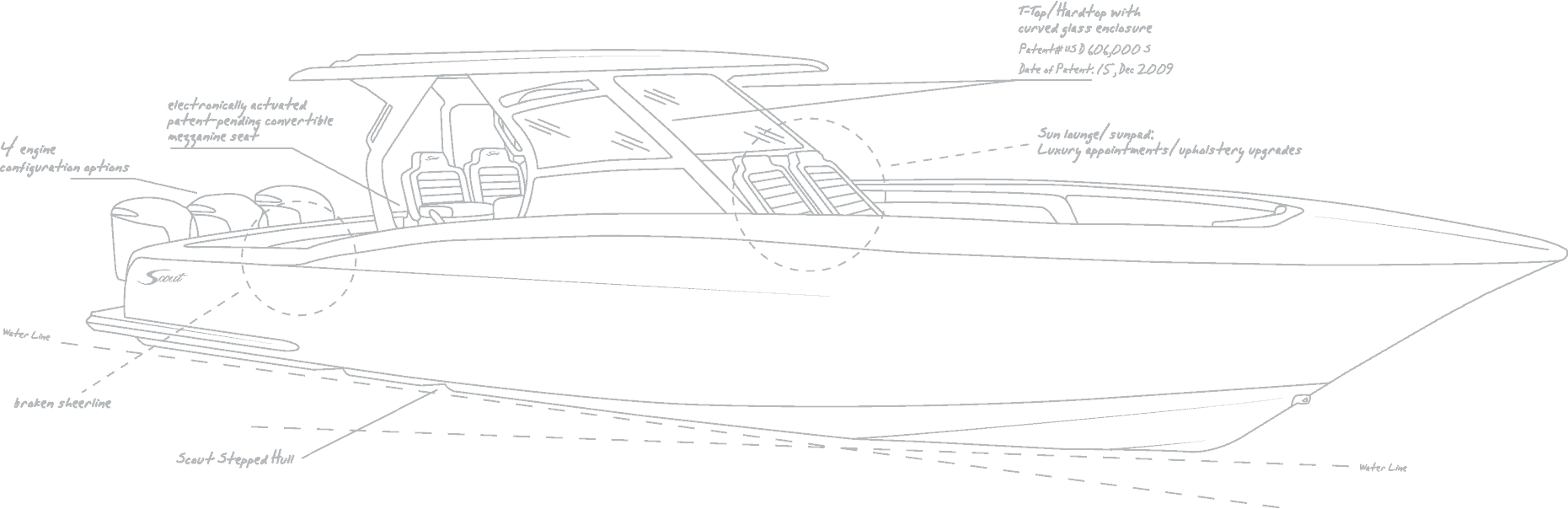
530 LXF Scout Line Drawing

Build Your Scout

Click below to build your dream Scout model.