Best Boating Spots in Florida

Boating enthusiasts and vacationers alike flock to Florida for its spectacular waterways, diverse marine life, and beautiful landscapes. Whether you’re fishing, hoping to spot some wildlife, or simply looking to cruise in pristine waters, the Sunshine State has something for everyone. Here are some of the best boating spots in Florida that cater to both fishing and leisure interests. 

Florida Keys

Fishing Paradise 

The Florida Keys are a fishing enthusiast’s dream come true. With crystal-clear waters, incredible coral reefs, and abundant marine life, it’s no wonder this area is renowned for its fishing opportunities. Anglers can expect to catch everything from tarpon and bonefish to sailfish and mahi-mahi. 

Leisurely Cruising 

For those seeking a more relaxed experience, the Keys offer numerous picturesque spots perfect for leisurely cruising. The scenic route along the Overseas Highway is dotted with charming islands, making it an ideal destination for a boat day trip. 

Biscayne Bay

Pristine Waters 

Located just off the coast of Miami, Biscayne Bay boasts some of the clearest waters in Florida. This makes it an excellent spot for both fishing and snorkeling. The bay is teeming with marine life, including dolphins and sea turtles, offering an unforgettable experience for nature lovers. 

Marina Facilities and Amenities 

Biscayne Bay is well-equipped with marina facilities, making it easy to launch and dock your boat. Plus, its proximity to Miami means you can enjoy nearby restaurants and attractions after a day on the water. 

Tampa Bay

Diverse Boating Trails 

Tampa Bay offers a wide range of boating routes suitable for both novices and seasoned boaters. The calm, protected waters provide an excellent environment for fishing, and you’ll find an abundance of redfish, snook, and trout. 

Wildlife Encounters 

The bay is also a favorite for those interested in wildlife. Manatees, dolphins, and various bird species are commonly seen here, providing a delightful backdrop for your boating adventure. 

St. Johns River

Freshwater Fishing 

Stretching over 300 miles, the St. Johns River is one of the few rivers in the US that flows north. This freshwater river is famous for its bass fishing, making it a must-visit for anglers looking to reel in a big catch. 

Relaxing Cruises 

For a more laid-back experience, the St. Johns River offers serene cruising opportunities. The river winds through lush landscapes and quaint towns, offering plenty of spots to stop and enjoy the local scenery. 

Charlotte Harbor

Extensive Marina Facilities 

Charlotte Harbor, located on Florida’s Gulf Coast, is a haven for boating enthusiasts. The harbor is equipped with extensive marina facilities, making it easy to launch and dock your boat. 

Nearby Attractions 

After a day on the water, you can explore nearby attractions such as beautiful beaches and waterfront restaurants. The harbor is also known for its excellent fishing conditions, where you can catch snook, redfish, and tarpon. 

Conclusion 

Florida’s boating spots offer a blend of adventure, relaxation, and natural beauty. Whether you’re an avid angler or someone who enjoys a peaceful cruise, there’s a perfect spot waiting for you. Ready to explore these fantastic locations? Get in touch with us to find the ideal boat for your next adventure, and start making unforgettable memories on Florida’s stunning waterways.  

Build Your Scout Boat Today 

At Scout Boats, our mission is to craft exceptional luxury models ranging from 17′ to 53′. Each of our vessels is meticulously designed to incorporate enduring innovations, cutting-edge technology, and trendsetting features that define the pinnacle of boating excellence. Build your Scout Boat today. 
Common Boating Mistakes and How to Avoid Them

Boating is a fantastic way to enjoy the outdoors, but it requires knowledge and vigilance to ensure a safe and enjoyable experience. Whether you’re a new boat owner, an avid boating enthusiast, or a recreational fisherman, avoiding common mistakes can make your time on the water much more pleasant. Here are some of the most frequent boating missteps and tips on how to prevent them. 

Skipping Safety Checks 

Safety should always be your top priority. Creating a pre-departure checklist can help ensure you’re not missing any crucial steps. This list should include: 

  • Life jackets for all passengers 
  • Fire extinguishers 
  • Navigation lights 
  • First-aid kits 

Double-checking these essentials before setting out can keep minor issues from turning into major problems. 

Ignoring the Weather Forecast 

Weather conditions can change rapidly on the water. Always check the forecast before you leave, and keep an eye on the skies while you’re out. If the weather takes a turn for the worse, it’s best to head back to shore immediately. 

Running the Engine While Dry 

One of the quickest ways to damage your boat’s engine is by running it while dry. Always ensure the engine is fully immersed in water before starting it. This simple step can prevent costly repairs and extend the life of your engine. 

Running Out of Gas 

It’s easy to lose track of fuel levels when you’re focused on the fun. Make it a habit to check your fuel gauge regularly and plan your trips to include enough fuel for the entire journey, plus a little extra for emergencies. 

Improperly Mooring the Boat 

Improper mooring can lead to damaged boats and docks. Learn proper mooring techniques and use appropriate lines and fenders. This helps protect your boat and those around it. 

Forgetting Regular Maintenance 

Routine maintenance is crucial for keeping your boat in top condition. Schedule regular inspections and maintenance to catch potential issues before they become expensive problems. An ounce of prevention is worth a pound of cure. 

Hitting the Dock 

Docking can be nerve-wracking for new boat owners. Practice maneuvering your boat in open water to get a feel for its handling. When approaching a dock, do so at a safe speed and angle to avoid collisions. 

Overloading the Boat 

Every boat has a weight capacity for a reason. Exceeding this limit can make your boat unstable and increase the risk of accidents. Always know your boat’s weight capacity and distribute weight evenly to maintain balance. 


By being aware of these common boating mistakes and taking steps to avoid them, you can enjoy a safer and more enjoyable time on the water. Remember, preparation and vigilance are key. 

Build Your Scout Boat Today 

At Scout Boats, our mission is to craft exceptional luxury models ranging from 17′ to 53′. Each of our vessels is meticulously designed to incorporate enduring innovations, cutting-edge technology, and trendsetting features that define the pinnacle of boating excellence. Build your Scout Boat today. 
Disclaimer: This article is for informational purposes only. Always follow local laws in addition to safe and responsible boating practices. 

Do You Need a Fishing License (and How to Get One)

Fishing is a rewarding and relaxing hobby that can be enjoyed by people of all ages. However, before you cast your line into the water, it’s important to understand the legal requirements surrounding fishing. One crucial requirement is obtaining a fishing license. In this guide, we’ll explain what a fishing license is, why it’s necessary, and how you can get one. 

What is a Fishing License and Why It’s Necessary 

A fishing license is a regulatory or legal permit issued by state or regional authorities that allows individuals to fish in public waters. The primary purpose of fishing licenses is to help manage and conserve fish populations, ensuring sustainable fishing practices for future generations. The fees collected from fishing licenses fund conservation programs, habitat restoration, and fish stocking, all of which contribute to maintaining healthy aquatic ecosystems. 

Different Types of Fishing Licenses 

Fishing licenses vary based on state regulations, and each state may offer different types of licenses to cater to various needs. Common types of fishing licenses include: 

  • Resident vs. Non-Resident Licenses: Resident licenses are for those who live in the state, while non-resident licenses are for visitors. 
  • Annual, Short-Term, and Lifetime Licenses: Depending on how often you fish, you can choose between annual, short-term (daily or weekly), or lifetime licenses. 
  • Specialty Licenses: Some states offer specialty licenses for specific types of fishing, such as saltwater, freshwater, or even specific species like trout or salmon. 

Who Needs a Fishing License? 

In most states, anyone who is 16 years of age or older needs a fishing license. There are typically exemptions for certain groups, such as: 

  • Children under a specific age (usually 16) 
  • Senior citizens 
  • Veterans and active-duty military personnel 
  • Individuals with disabilities 

However, exemptions can vary by state, so it’s essential to check your local regulations. 

How to Obtain a Fishing License 

Obtaining a fishing license is a straightforward process that can be completed either online or in person. Here’s an overview of the steps: 

  1. Determine the Type of License You Need: Based on your residency status, the duration you plan to fish, and any specialty fishing you intend to do, choose the appropriate license. 
  2. Visit the Official State Website or Authorized Vendors: Most states have an official website where you can purchase a fishing license online. Alternatively, you can visit authorized vendors such as sporting goods stores, bait shops, or local government offices. 
  3. Provide Necessary Information: You’ll need to provide personal information such as your name, address, and sometimes proof of residency. 
  4. Pay the Applicable Fees: Fees vary based on the type of license and your residency status. Be prepared to pay via credit card if you’re purchasing online or cash/card if in person. 
  5. Receive Your License: After completing the process, you’ll receive your fishing license. If purchased online, you can usually print it out immediately. 

Important Details to Consider 

When getting a fishing license, keep the following in mind: 

  • License Duration: Ensure you know the duration of your license to avoid fishing with an expired license. 
  • Fishing Regulations: Familiarize yourself with local fishing regulations, including catch limits, size limits, and seasonal restrictions. 
  • Responsible Fishing: Always practice responsible fishing. Follow the guidelines and contribute to conservation efforts. 

The Connection Between Fishing and Boating 

If you plan to combine fishing with boating, remember that you may need a boating license as well. Understanding both fishing and boating regulations ensures you enjoy a hassle-free experience on the water.

Ready to cast your line and enjoy the thrill of fishing? Don’t forget to get your fishing license first. Visit your state’s official website or your local authorized vendor to get started. Happy fishing! 

Build Your Scout Boat Today 

At Scout Boats, our mission is to craft exceptional luxury models ranging from 17′ to 53′. Each of our vessels is meticulously designed to incorporate enduring innovations, cutting-edge technology, and trendsetting features that define the pinnacle of boating excellence. Build your Scout Boat today. 
Disclaimer: This article is for informational purposes only. Always follow local laws in addition to safe and responsible boating practices. 

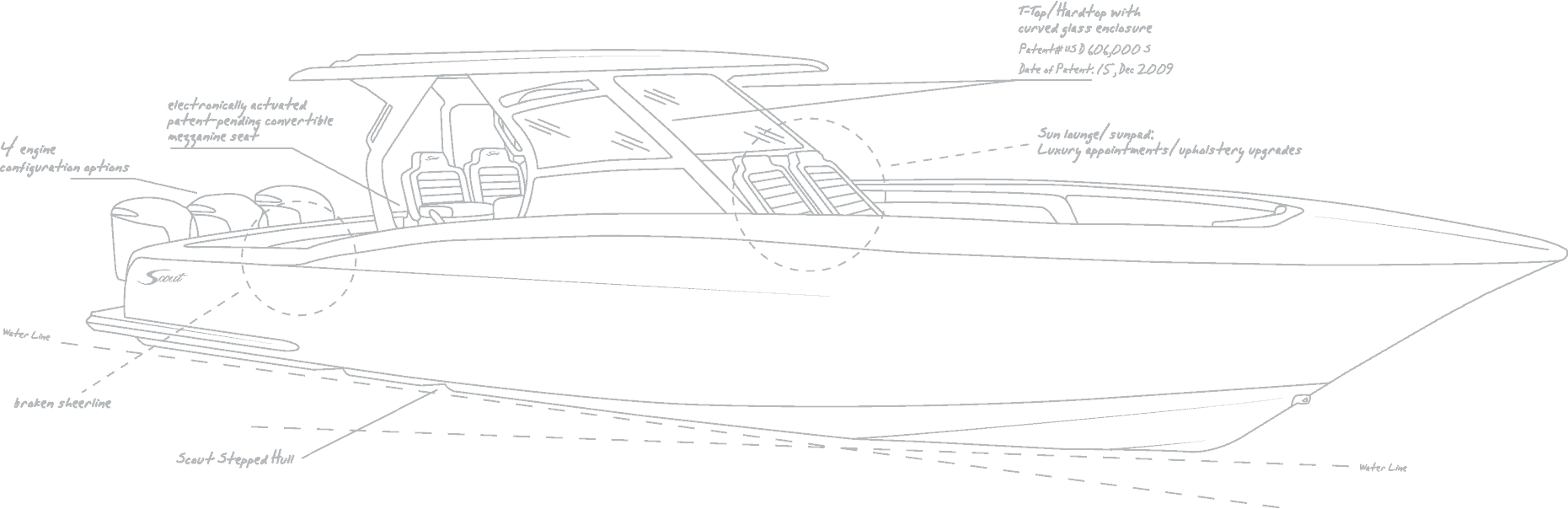
530 LXF Scout Line Drawing

Build Your Scout

Click below to build your dream Scout model.