The Importance of Towing Coverage for a Boat

Boat Insurance

Boat Insurance

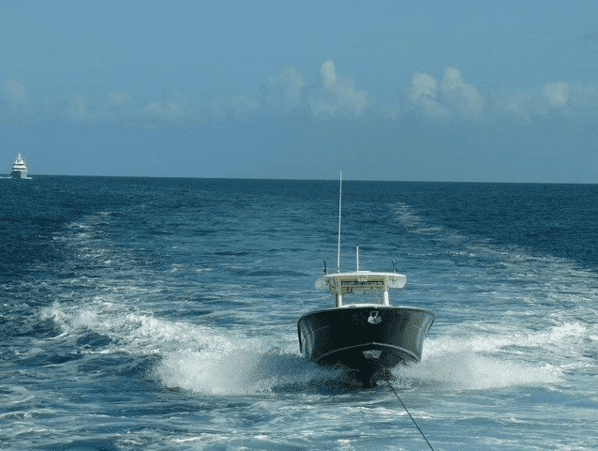
Owning a boat is a fantastic way to enjoy the open waters, explore new places, and engage in exhilarating water sports. However, as any seasoned boater will tell you, the unexpected can and does happen. From mechanical failures to running out of fuel, having a safety net is crucial. This is where boat towing coverage comes into play.

What Is Boat Towing Coverage?

Boat towing coverage is an essential part of recreational boating insurance that provides assistance when you encounter issues on the water. Whether your boat breaks down, runs out of fuel, or needs a jump start, towing coverage ensures you get the help you need without financial strain.

Why Is Boat Towing Coverage Important?

Peace of Mind

One of the primary benefits of having boat towing coverage is the peace of mind it offers. Knowing that you have a plan in place for emergencies allows you to relax and enjoy your time on the water.

Financial Protection

Unexpected mechanical failures or accidents can be costly. Towing services can add up quickly, but with coverage, you won’t have to worry about those unexpected expenses. Your insurance takes care of the costs, leaving you free to focus on getting back to enjoying your day.

Comprehensive Assistance

Towing coverage isn’t just about towing your boat. Many plans include additional services such as:

  • Fuel Delivery: If you run out of fuel, a towing service can bring the necessary fuel to get you back to shore.
  • Jump Starts: Dead battery? No problem. Towing services can provide a jump start to get you back on the water.
  • Towing to the Nearest Facility: In case of significant mechanical issues, towing coverage ensures your boat is taken to the nearest repair facility.

How Towing Coverage Can Help in Emergencies

Emergencies on the water can be stressful and potentially dangerous. Towing coverage provides a lifeline in unforeseen circumstances, ensuring you have access to professional help when you need it most. It’s particularly vital for those who venture far from shore or frequent less populated areas where help might not be readily available.

Choosing the Right Coverage

Assess Your Needs

Not all boating activities require the same level of coverage. Consider your typical boating routines and environments. Do you often venture into remote areas? Do you participate in water sports that increase the risk of mechanical issues? These factors will help you determine the level of coverage you need.

Compare Plans

Look for comprehensive plans that offer a range of services. Compare different providers to see who offers the best value for the services you need. Be sure to read the fine print to understand what is and isn’t covered.

Reputation Matters

Choose a towing service provider with a solid reputation for reliability and prompt service. Customer reviews and testimonials can give you insight into how well the company handles emergencies.

Tips for Selecting a Reliable Towing Coverage Plan

  1. Read Reviews: Customer feedback can provide valuable insights into the reliability of the towing service.
  1. Check Coverage Limits: Ensure the plan covers the areas you frequently boat in.
  1. Understand the Terms: Be clear on what services are included and any potential exclusions.
  1. Consider Bundled Options: Sometimes, bundling your towing coverage with other insurance policies can save you money.

Conclusion

Boat towing coverage is more than just a safety net; it’s an investment in peace of mind, financial protection, and comprehensive assistance. Don’t wait until you’re stranded on the water to realize the importance of towing coverage. Take the time to choose a plan that fits your boating lifestyle and enjoy your time on the water knowing you’re covered.

Build Your Scout Boat Today

At Scout Boats, our mission is to craft exceptional luxury models ranging from 17′ to 53′. Each of our vessels is meticulously designed to incorporate enduring innovations, cutting-edge technology, and trendsetting features that define the pinnacle of boating excellence. Build your Scout Boat today.

Disclaimer: This article is for informational purposes only. Always follow local laws in addition to safe and responsible boating practices.

How to Keep Warm on Your Boat in Winter

Winter boating can be a breathtaking experience, with serene landscapes and fewer crowds. However, staying warm on your boat is crucial to ensure both comfort and safety. Here are some essential tips to help you keep warm during those chilly months on the water.

1. Invest in High-Quality, Insulated Boat Covers

One of the first steps to staying warm on your boat is to reduce heat loss. High-quality, insulated boat covers are a fantastic investment. These covers help retain heat, protect your boat from harsh elements, and minimize drafts. Look for covers with insulation materials specifically designed to withstand cold temperatures.

2. Use Portable Heaters with Safety Features

Portable heaters can be a lifesaver on cold winter days. However, it’s essential to choose heaters specifically designed for marine use. These heaters come with built-in safety features such as automatic shut-off if tipped over, oxygen depletion sensors, and protection against overheating. Always follow the manufacturer’s instructions and never leave heaters unattended.

3. Wear Appropriate Cold Weather Gear

When it comes to staying warm, what you wear is just as important as your boat’s heating system. Layering is key:

  • Thermal Layers: Start with a moisture-wicking base layer to keep sweat away from your skin. Follow this with insulating layers to trap heat.
  • Waterproof Outerwear: Top it all off with a waterproof and windproof outer layer to protect against the elements. Don’t forget a good pair of insulated, waterproof boots and thermal socks to keep your feet warm.

4. Ensure Proper Ventilation

Ventilation might seem counterintuitive when trying to stay warm, but it’s crucial for maintaining air quality and preventing moisture buildup. Condensation can make the cabin feel damp and chilly. Use vents or fans to circulate air and reduce humidity levels. Proper ventilation also helps prevent mold and mildew, which can harm your boat’s interior.

5. Keep Emergency Supplies On Board

Always be prepared for unexpected situations by keeping emergency supplies on board. Essential items include:

  • Extra blankets and sleeping bags
  • Warm clothing and gloves
  • Hot beverages like tea, coffee, or cocoa
  • High-energy snacks
  • First aid kit and emergency flares

Having these supplies readily available ensures that you can stay warm and safe in case of an emergency.

6. Schedule Regular Maintenance Checks on Heating Systems

Your boat’s heating systems should be in top working order before embarking on any winter adventure. Schedule regular maintenance checks to ensure heaters, stoves, and other heating equipment are functioning correctly. Regular maintenance not only guarantees efficiency but also helps prevent hazardous malfunctions.

Conclusion

Winter boating is a unique and rewarding experience, but staying warm is essential for enjoyment and safety. By investing in insulated boat covers, using portable heaters, wearing appropriate gear, ensuring proper ventilation, keeping emergency supplies on board, and maintaining your heating systems, you can enjoy the winter season on your boat to the fullest.

Build Your Scout Boat Today

At Scout Boats, our mission is to craft exceptional luxury models ranging from 17′ to 53′. Each of our vessels is meticulously designed to incorporate enduring innovations, cutting-edge technology, and trendsetting features that define the pinnacle of boating excellence. Build your Scout Boat today.

Disclaimer: This article is for informational purposes only. Always follow local laws in addition to safe and responsible boating practices.
 

What Not to Ask When Buying a Boat

Buying a boat is a significant investment and can be an incredibly rewarding experience. However, if you’re a first-time boat buyer, recreational boater, or fishing enthusiast, knowing what not to ask during the buying process can save you from making common mistakes that many new buyers fall into.

In this guide, we’ll walk through some crucial points on what questions to avoid and what to focus on instead, ensuring you make a well-informed decision that matches your needs and budget.

Avoid Asking About the Price Without Understanding the Full Cost of Ownership

Why It’s a Mistake

Focusing solely on the purchase price of a boat without considering the full cost of ownership is a common error. Boats come with ongoing expenses such as maintenance, insurance, storage, and fuel costs.

What to Ask Instead

  • “What are the annual maintenance costs for this boat?”
  • “Can you provide an estimate for insurance and storage fees?”

These questions will help you get a clear picture of the long-term financial commitment involved.

Do Not Inquire About the “Best Deal” Without Considering Quality and Condition

Why It’s a Mistake

Everyone loves a good deal, but seeking the “best deal” without evaluating the boat’s quality and condition can lead to costly repairs and disappointments down the line.

What to Ask Instead

  • “Can we go over the service history of this boat?”
  • “Are there any recent inspections or surveys available?”

By focusing on the boat’s condition and service history, you ensure that your purchase is both a good deal and a quality investment.

Understand Boat Specifications and Features Relevant to Your Use

Why It’s a Mistake to Skip This Step

Generic questions about the boat’s features might not give you the specific information you need. Different boats are designed for different activities—fishing, cruising, watersports, etc.

What to Ask Instead

  • “Is this boat suitable for deep-sea fishing or just freshwater?”
  • “What are the storage options for fishing gear on this boat?”

Tailoring your questions to match your intended use will help you find a boat that meets your specific needs.

Ask Insightful Questions About Performance, Storage, and Long-Term Value

Why It’s a Mistake to Skip This Step

Not asking the right questions can lead to surprises post-purchase. Understanding a boat’s performance, storage options, and long-term value is essential to making a smart investment.

What to Ask Instead

  • “How does this boat perform in various weather conditions?”
  • “What are the storage capabilities of this boat?”
  • “Can you tell me about the resale value and market demand for this model?”

These questions ensure you get a comprehensive understanding of the boat’s capabilities and future potential.

Conclusion

By avoiding these common mistakes and asking more insightful questions, you’ll be better equipped to make a well-informed decision when buying a boat. Remember, the goal is to find a boat that fits your needs, budget, and lifestyle for many years to come.

Build Your Scout Boat Today

At Scout Boats, our mission is to craft exceptional luxury models ranging from 17′ to 53′. Each of our vessels is meticulously designed to incorporate enduring innovations, cutting-edge technology, and trendsetting features that define the pinnacle of boating excellence. Build your Scout Boat today.

Disclaimer: This article is for informational purposes only. Always follow local laws in addition to safe and responsible boating practices.
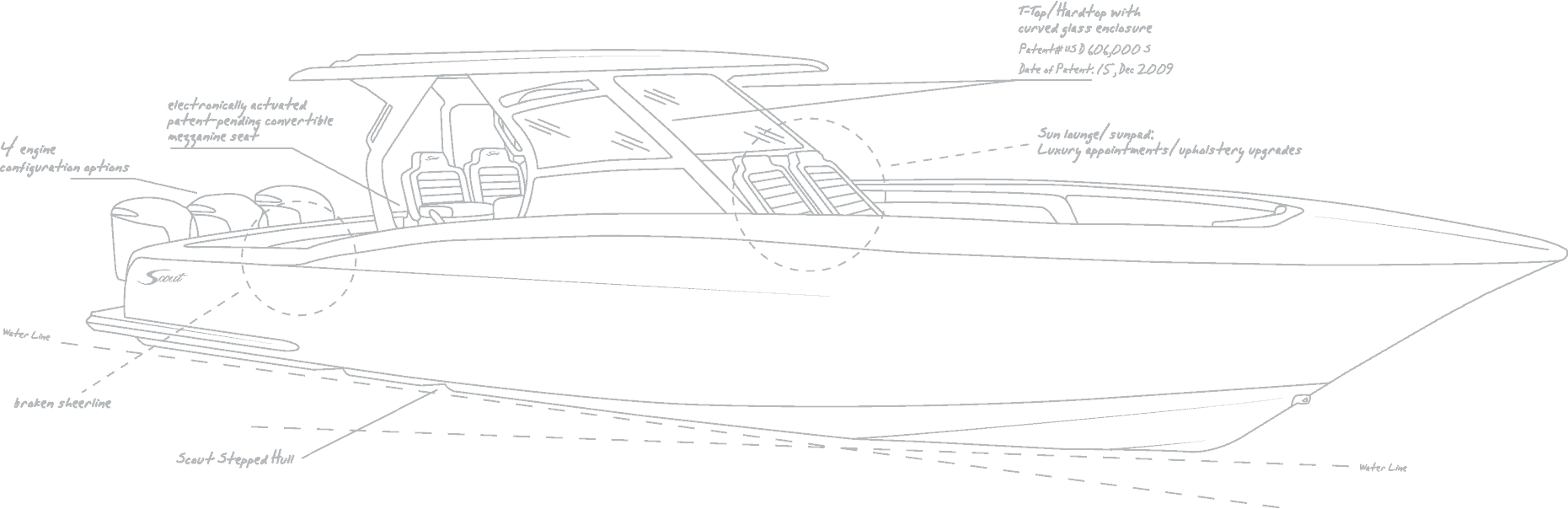
530 LXF Scout Line Drawing

Build Your Scout

Click below to build your dream Scout model.