
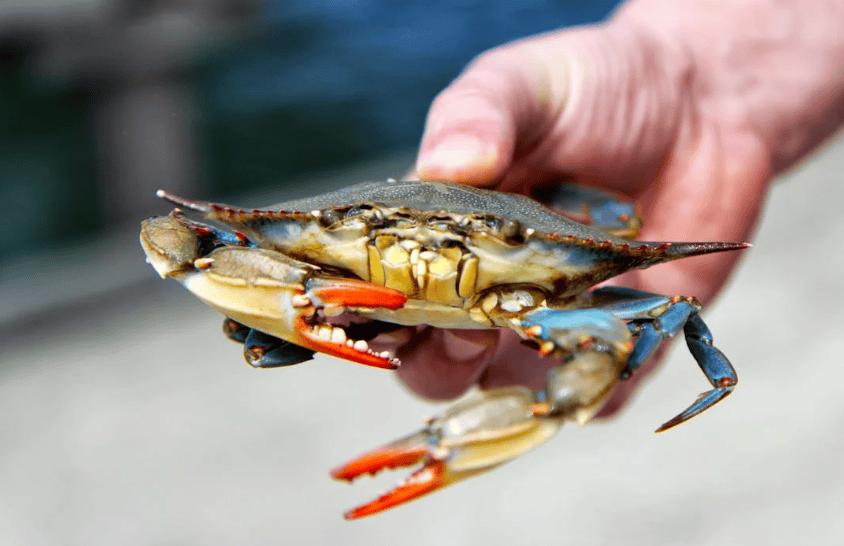
Crabbing off a Boat for Beginners

Crabbing is an enjoyable, rewarding activity that can provide not only a delicious meal but also an unforgettable outdoor experience. Whether you’re standing on the shore, wading in the tidal flats, or setting out on a boat, crabbing appeals to enthusiasts of all ages. This guide focuses on the exciting world of crabbing off a boat, breaking down the essentials every beginner needs to know.

Introduction to Crabbing off a Boat

Crabbing from a boat adds an adventurous twist to traditional crabbing, allowing you to access deeper waters and potentially more abundant crab populations. It’s an activity that combines the tranquility of being on the water with the thrill of the catch, making it an ideal pursuit for fishing enthusiasts, outdoor adventurers, and boat owners alike.

Essential Gear for Crabbing: List and Description

Before setting sail on your crabbing adventure, it’s crucial to have the right gear onboard. Here’s what you need:

  • Crab traps: There are several types of crab traps, including ring nets, pyramid traps, and box traps. Each has its advantages depending on the depth and current of your crabbing location.
  • Bait and bait box: Crabs aren’t picky eaters, but they have a strong preference for oily and smelly fish like mackerel, herring, or chicken necks. A bait box will secure your bait within the trap.
  • Rope and buoy: The rope ties to your trap and must be long enough to reach the bottom, with some slack for tides. Buoys mark the location of your traps and should be labeled with your name and contact information per local regulations.
  • Measuring gauge: This tool is essential for keeping only legally sized crabs and releasing undersized ones back into the water.
  • Gloves: A sturdy pair of gloves will protect your hands from sharp crab claws and the elements.

Understanding the Best Crabbing Spots: Factors to Consider

Location is everything in crabbing. To find the best spots:

  • Research local habitats: Crabs are often found in estuaries, saltwater bays, and on the soft bottoms along the seashore.
  • Look for sheltered areas: Piers, docks, jetty rocks, and eelgrass beds are excellent places to start as crabs tend to hide in these areas.
  • Mind the tide: Crabbing is usually more productive during incoming or outgoing tides when crabs are actively feeding.

Crabbing Techniques for Beginners: Setting Traps and Retrieving

  1. Prepare your traps: Secure your bait inside the bait box of your trap. Ensure everything is tied tightly and your buoy is properly labeled.
  2. Drop your traps: Choose your spot and gently lower your traps into the water, making sure they hit the bottom. Mark each location with your buoy.
  3. Wait: Patience is key in crabbing. Leaving your traps for at least 15-30 minutes gives crabs enough time to find your bait and get caught.
  4. Retrieve your traps: Slowly and steadily pull in your traps. A swift, continuous pull increases your chances of keeping the crabs inside.

Regulations and Safety Measures for Crabbing

Abiding by local regulations is crucial:

  • Know the legal sizes: Each region has specific size and catch limits for different crab species.
  • Crabbing season: Pay attention to the season. Many areas have restrictions to protect the crab population.
  • Safety first: Always wear a life jacket, check the weather before heading out, and ensure your boat is in good working condition.

Tips for a Successful Crabbing Trip

  • Start early: Crabs are most active during the early morning.
  • Use fresh bait: Fresh, oily bait is more attractive to crabs.
  • Check your traps regularly: This prevents crabs from escaping and deters poachers.
  • Respect the environment: Retrieve all your gear and any trash at the end of your trip.

Conclusion

Crabbing off a boat can become one of your favorite outdoor activities with the right preparation and respect for the environment. Whether you’re a seasoned fisher or a beginner looking to try something new, remember that patience and persistence are your best allies.

Build Your Scout Boat Today

At Scout Boats, our mission is to craft exceptional luxury models ranging from 17′ to 53′. Each of our vessels is meticulously designed to incorporate enduring innovations, cutting-edge technology, and trendsetting features that define the pinnacle of boating excellence. Build your Scout Boat today.

Disclaimer: This article is for informational purposes only. Always follow local laws in addition to safe and responsible boating practices.
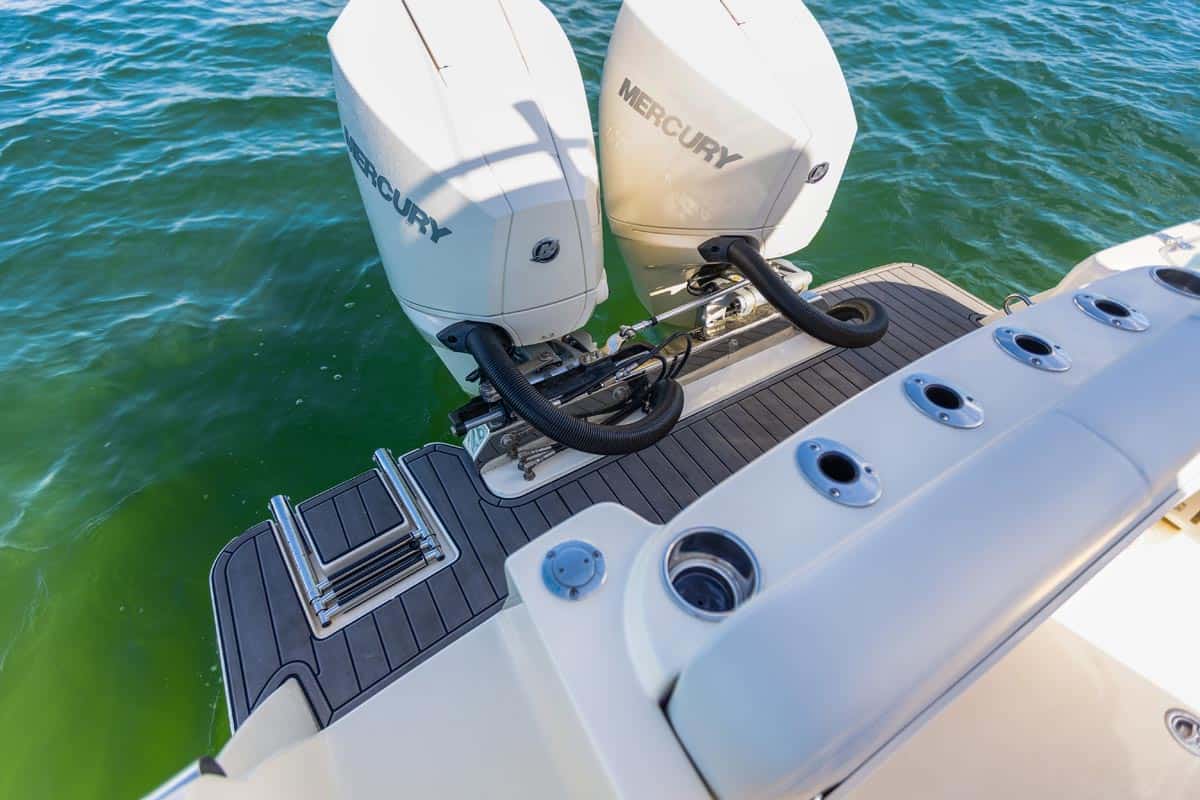
How to Avoid Misfueling Your Boat

Navigating the sparkling waters in your boat is an unparalleled experience, but it requires more than just sailing skills. A common yet overlooked aspect of marine maintenance is the correct fueling of your boat. Misfueling, or filling your boat with the wrong type of fuel, can lead to a cascade of problems ranging from engine damage to environmental pollution. This post aims to guide boat owners and marine enthusiasts on how to avoid misfueling, ensuring their vessels operate safely, efficiently, and eco-consciously.

Understanding Boat Fuels

Before setting sail, it’s crucial to understand the different types of fuel that boats may require. Mainly, boats run on gasoline, diesel, or increasingly popular biofuels. Each boat and engine type has a specific fuel requirement based on its design and performance needs. For instance, high-performance speedboats often require a higher octane gasoline, while larger, heavier vessels are typically powered by diesel engines for their efficiency and torque.

Risks and Consequences of Misfueling

The ramifications of misfueling your boat are far-reaching. The immediate concern is the potential damage to your engine. Using gasoline in a diesel engine (or vice versa) can cause inefficient combustion, leading to engine overheating, reduced power output, and long-term wear and tear. Beyond the mechanical damage, there are significant safety hazards. Diesel fuel in a gasoline engine can create a fire risk due to gasoline engines’ design for more volatile fuel.

Furthermore, misfueling can have an adverse impact on the environment. Incorrect fuel use can lead to increased emissions and pollution, contributing to water contamination and harming marine life. In the age of ecological responsibility, ensuring we use the correct fuel type becomes doubly important.

How to Prevent Misfueling

Preventing misfueling is primarily about diligence and education. Here are some tips to ensure you always fuel your boat correctly:

  • Read Manufacturer Guidelines: Always consult your boat’s manual for the manufacturer’s fuel recommendations.
  • Check Fuel Station Labels: Pay close attention to the labels at fuel stations. Misfueling often occurs from simple mistakes like using a diesel pump instead of gasoline.
  • Use Fuel Flow Restrictors: Some boats come equipped with restrictors that only allow the correct fuel nozzle size to be inserted into the tank.
  • Stay Informed on Fuel Types: Educate yourself about the types of fuel available and changes in fuel formulations (e.g., biofuels, ethanol blends) that might affect your boat.

What to Do If Misfueling Occurs

If you suspect that you’ve misfueled your boat, the first step is to avoid starting the engine. Starting the engine can circulate the wrong fuel and increase the extent of the damage. Here’s what you should do:

  1. Disconnect the Battery: Prevent any electrical sparks or engine starting by disconnecting the battery.
  2. Contact a Professional: Reach out to a marine mechanic who can safely drain and clean the fuel system.
  3. Assess for Damage: Have the engine checked for any consequences of the misfueling and repaired if necessary.

Taking these steps promptly can help mitigate the risks and potential costs associated with misfueling.

Conclusion

To enjoy a seamless boating experience, it’s critical to pay attention to the type of fuel your boat requires. By understanding the differences between boat fuels, recognizing the risks of misfueling, and adopting preventative measures, you can protect your boat’s engine, safeguard your safety, and contribute to preserving our marine environments. Remember, knowledge and attentiveness are your best tools against misfueling. Practice caution at the pump, and if you find this information valuable, share it with fellow boat owners to spread awareness.

Whether you’re a novice boat owner or an experienced sea captain, following these boat fueling tips and misfueling prevention strategies will ensure many more years of enjoyable and responsible boating.

Build Your Scout Boat Today

At Scout Boats, our mission is to craft exceptional luxury models ranging from 17′ to 53′. Each of our vessels is meticulously designed to incorporate enduring innovations, cutting-edge technology, and trendsetting features that define the pinnacle of boating excellence. Build your Scout Boat today.

Disclaimer: This article is for informational purposes only. Always follow safe and responsible boating practices.
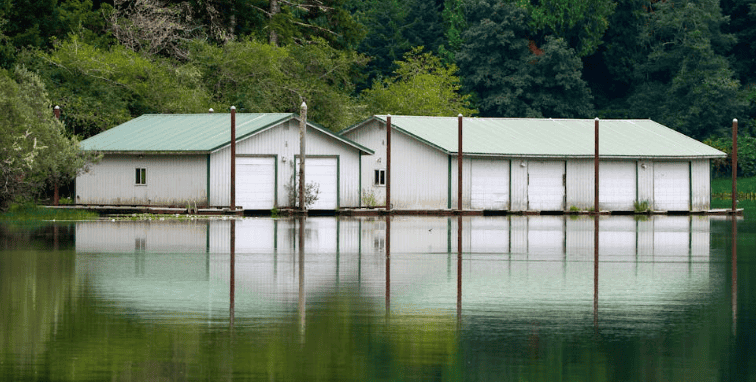
Selecting the Right Shelter for Your Boat

Boating is not just a hobby; it’s a lifestyle. With this lifestyle comes the responsibility of ensuring your vessel remains in top condition, ready for the next adventure. An essential aspect of boat ownership is selecting the right shelter, a decision that can significantly impact your boat’s longevity, maintenance needs, and overall enjoyment of the sea. Whether you’re a seasoned sailor, a recreational boater, or a marina enthusiast, understanding the diverse shelter options available and their respective benefits is paramount to making an informed choice.

Types of Boat Shelters

The quest for the perfect boat shelter begins with familiarizing yourself with the available types. Here’s a breakdown:

Dry Storage

Dry storage keeps your boat out of the water when not in use, significantly reducing wear from water exposure. While it offers excellent protection from the elements, accessibility may be less convenient compared to in-water options.

Wet Slips

Wet slips allow for easy access to open waters, making them ideal for frequent boaters. However, prolonged water exposure can lead to higher maintenance demands.

Covered Slips

Offering the best of both worlds, covered slips provide in-water convenience with added protection from sun and rain. Still, these are often at a premium cost and might not shield against all weather conditions.

Rack Storage

Rack storage, also known as dry stacking, is a space-efficient way to store smaller vessels in a covered warehouse. Boats are stacked vertically, offering good protection from the elements but requiring scheduling for launching and retrieval.

Considerations for Shelter Selection

To narrow down your choice, consider these essential factors:

  • Compatibility: Not all shelters accommodate every boat type or size. Ensure the shelter you choose can support your specific vessel.
  • Climate and Weather: Your local climate should heavily influence your shelter decision. Areas prone to harsh weather demand more protection for your boat.
  • Security and Accessibility: Evaluate the security measures of potential shelters and consider how easily you can access your boat when the spontaneous urge to sail strikes.

Cost Analysis

Costs can widely vary between shelter types. Dry storage facilities may offer seasonal packages, while wet and covered slips usually involve monthly or annual fees. Consider not only the initial expenditure but also how each option impacts your budget over time. Does one type of shelter offer more value in terms of protection and maintenance savings?

Maintenance and Insurance Implications

The shelter you choose affects your maintenance routine and insurance premiums. Boats stored in wet slips may face more frequent hull cleaning and marine growth issues, impacting insurance rates. On the other hand, dry-stored boats might see reduced maintenance needs and consequently lower insurance costs.

Conclusion

Selecting the right shelter for your boat is a balance of protection, cost, and convenience. By understanding the types of shelters available and considering your specific needs regarding accessibility, climate protection, and boat size, you can make a choice that safeguards your investment and enhances your boating experience. Remember, the best shelter is one that fits not just your boat, but your lifestyle as well.

Ready to make waves without worry? Consider your options carefully and ensure your vessel has the perfect home away from home. Happy sailing!

Build Your Scout Boat Today

At Scout Boats, our mission is to craft exceptional luxury models ranging from 17′ to 53′. Each of our vessels is meticulously designed to incorporate enduring innovations, cutting-edge technology, and trendsetting features that define the pinnacle of boating excellence. Build your Scout Boat today.

Disclaimer: This article is for informational purposes only. Always follow safe and responsible boating practices.
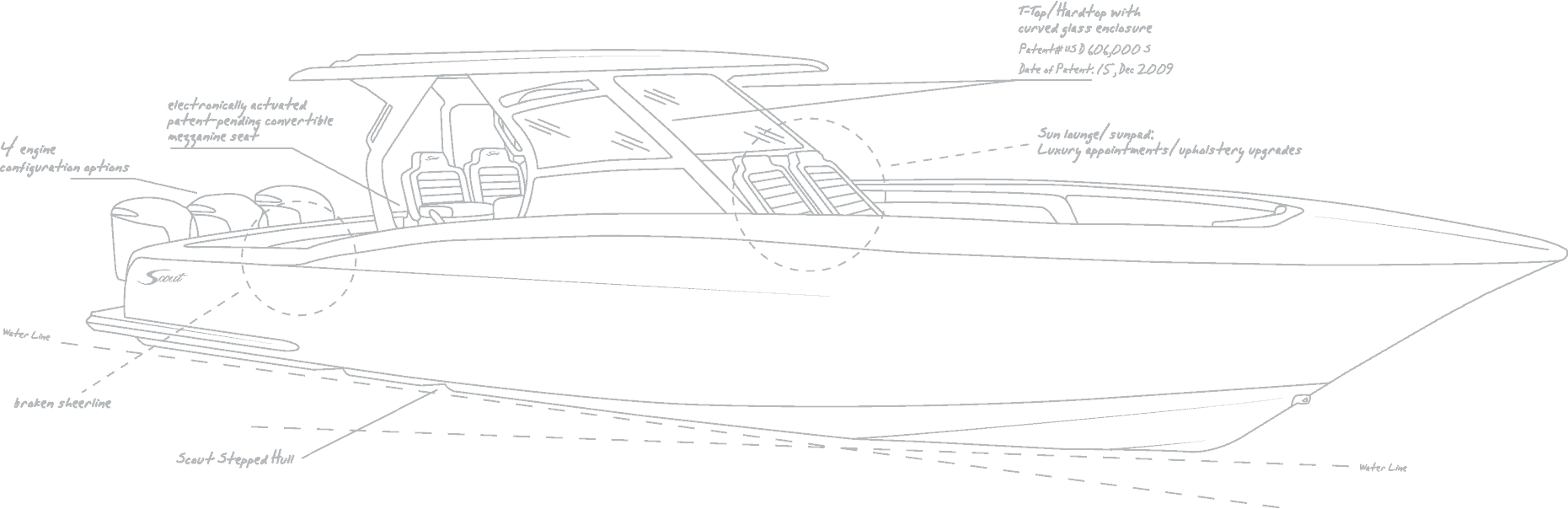
530 LXF Scout Line Drawing

Build Your Scout

Click below to build your dream Scout model.